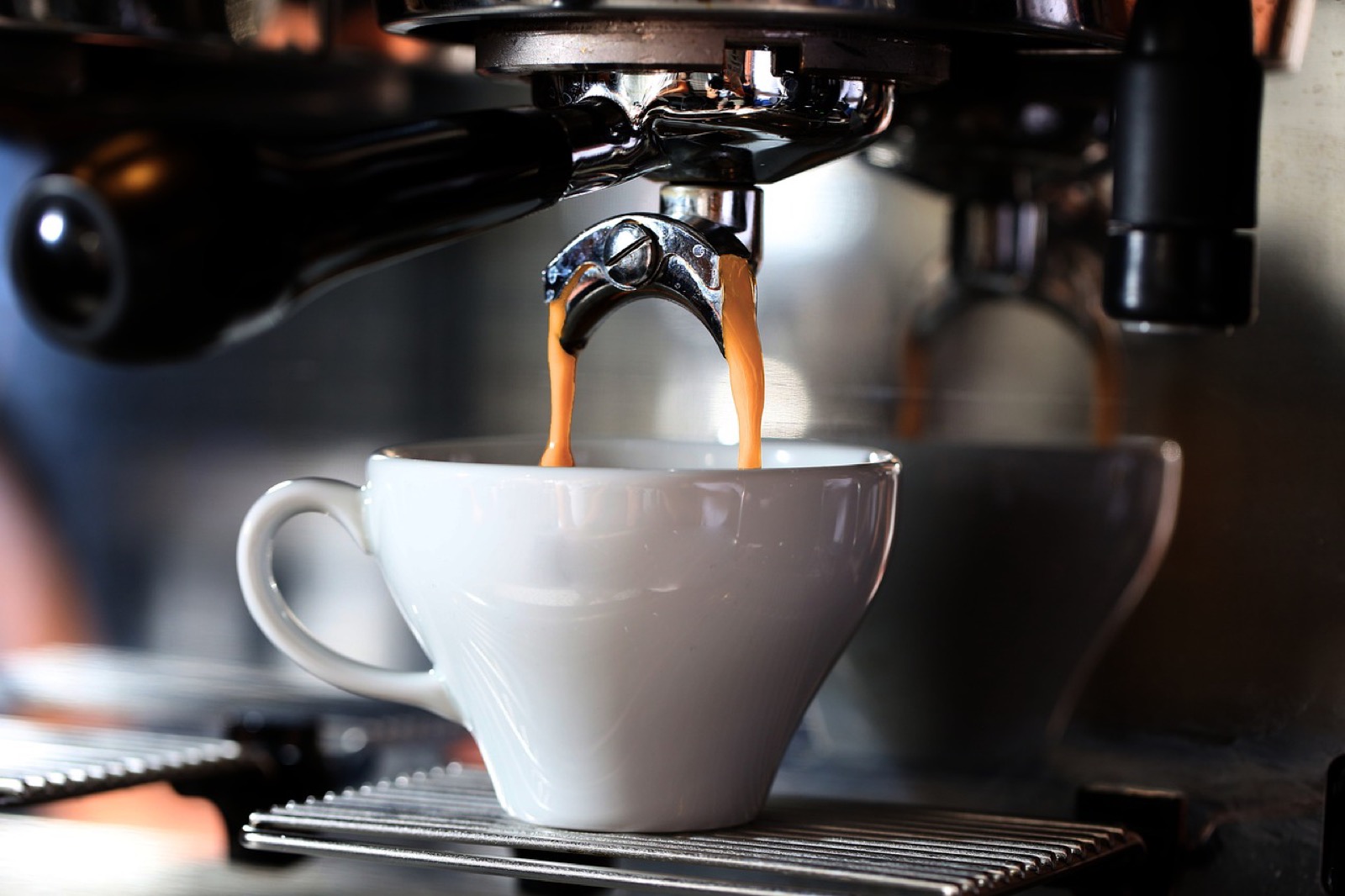
Espresso Tastes Sour or Bitter? Grind Size & Extraction Time Fixes
Sour espresso makes you wince. Bitter espresso leaves a chalky aftertaste that ruins the shot. Both signal extraction problems, not bad beans or bad luck. Under-extraction creates sour shots -- water passes through too fast, leaving acids behind without pulling sweetness and body. Over-extraction creates bitter shots -- water extracts too many harsh compounds beyond the sweet spot.
This guide walks you through the exact grind size adjustments, extraction time targets, and temperature tweaks to fix both. You'll learn what causes each flavor fault, how to diagnose it in the cup, and which variable to change first. By the end, you'll know how to dial in balanced shots that hit the sweet zone every time.
Affiliate Disclosure: EspressoSnob participates in the Amazon Services LLC Associates Program. We earn commissions from qualifying purchases through our Amazon links at no extra cost to you. We recommend products based on specifications, performance, and value, not commission rates.
Quick Picks: Grinders That Make Dialing In Easier
| Grinder | Burr Type | Adjustment | Best For | |
|---|---|---|---|---|
| DF64 Gen 2 | 64mm flat | Stepless | Budget single-dose, precise dialing | Check Price |
| Eureka Mignon Specialita | 50mm flat | Micrometric stepped | Quiet, commercial-grade, easy micro-adjustments | Check Price |
Sour Espresso: Under-Extraction & How to Fix It
Sour espresso tastes sharp, acidic, and thin. It lacks sweetness and body. The shot pulls too fast -- often under 20 seconds for 18g in, 36g out -- because the grind is too coarse or the dose is too light. Water rushes through the puck without enough contact time to extract the sugars and oils that balance the acids.
Under-extraction leaves behind most of the flavor compounds you want. Acids dissolve first in the extraction timeline, so a fast shot gives you acid-forward espresso without the sweetness that comes later in the process. Light roasts are especially prone to sourness because they're denser and require longer extractions to break down the cell structure.
What Causes Sour Espresso
- Grind too coarse: Water flows through too fast, extracting only the acids without reaching the sweet compounds deeper in the grounds.
- Shot pulls too fast: Under 20 seconds for a 1:2 ratio is almost always under-extracted. Target 25-30 seconds.
- Dose too low: Less coffee in the basket means less resistance. A 15g dose in an 18g basket leaves gaps that water exploits, speeding the shot.
- Temperature too low: Cooler water (under 195°F) struggles to dissolve flavor compounds. Light roasts need 200-203°F.
- Old or stale beans: Beans more than 3 weeks past roast date lose CO2 and extract faster, often pulling sour.
How to Fix Sour Espresso (Fastest to Slowest)
1. Grind finer (most effective). One notch finer on your grinder increases resistance and contact time. Pull a shot, taste, adjust again if still sour. Stop when you hit balanced flavor -- grind too fine and you'll swing into bitter territory or choke the machine.
2. Increase dose by 1g. More coffee in the basket slows the flow. If you're dosing 17g, try 18g. If you're at 18g, try 19g. Don't exceed your basket's rated capacity or you'll create a puck so tight the machine can't build pressure.
3. Raise brew temperature 2-3°F. If your machine allows temperature control, bump it up. 200-203°F is ideal for light and medium roasts. Higher temperature extracts more compounds and balances the acids.
4. Pull a longer shot (advanced). Instead of stopping at 36g out, pull to 40-42g out. This extends extraction time without changing grind or dose. Use this only when grind, dose, and temperature adjustments aren't enough.
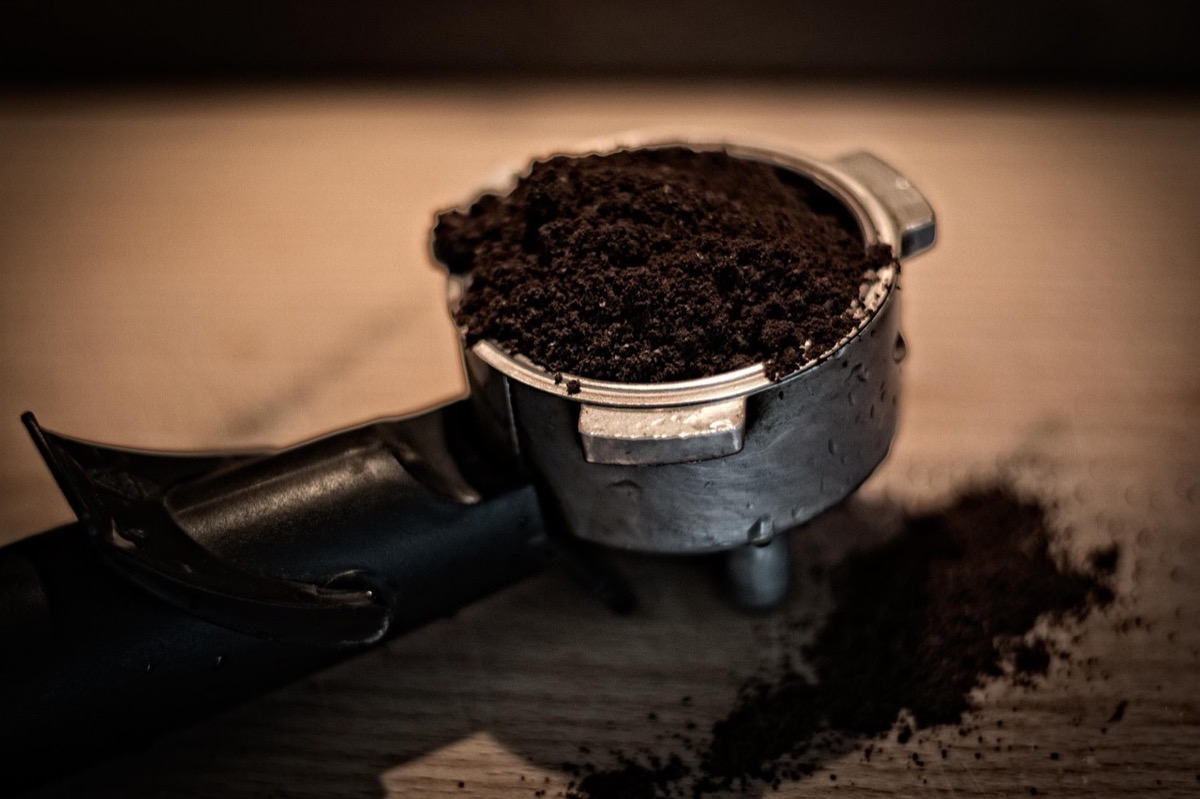
Bitter Espresso: Over-Extraction & How to Fix It
Bitter espresso tastes harsh, chalky, and coats the back of your throat. It lacks clarity and balance. The shot pulls too slowly -- often 35+ seconds for 18g in, 36g out -- because the grind is too fine or the dose is too heavy. Water sits in contact with the grounds too long, extracting bitter compounds and tannins beyond the sweet spot.
Over-extraction happens when you extract past the optimal range (typically 18-22% extraction yield). After the sweet and balanced compounds dissolve, water starts pulling harsh, astringent flavors. Dark roasts are more prone to bitterness because the roasting process has already created bitter compounds that extract easily.
What Causes Bitter Espresso
- Grind too fine: Water flows through too slowly, extracting bitter tannins and astringent compounds after the sweet zone is exhausted.
- Shot pulls too slow: Over 35 seconds for a 1:2 ratio often signals over-extraction. Dark roasts hit bitterness faster -- aim for 22-26 seconds.
- Dose too high: Overfilling the basket creates excessive resistance. A 20g dose in an 18g basket packs the puck too tight, choking flow.
- Temperature too high: Water over 205°F extracts bitterness faster, especially from dark roasts. Lower to 198-200°F.
- Dirty machine or old coffee oils: Rancid oils from uncleaned group heads or baskets add bitter, stale flavors unrelated to extraction. Backflush weekly.
How to Fix Bitter Espresso (Fastest to Slowest)
1. Grind coarser (most effective). One notch coarser reduces resistance and speeds the shot. Pull a shot, taste, adjust again if still bitter. Stop when you hit balanced flavor -- grind too coarse and you'll under-extract and get sour shots.
2. Decrease dose by 1g. Less coffee in the basket speeds the flow. If you're dosing 19g, try 18g. If you're at 18g, try 17g. Don't drop below your basket's minimum or you'll create gaps that cause channeling.
3. Lower brew temperature 2-3°F. If your machine allows temperature control, drop it. 198-200°F is ideal for medium and dark roasts. Lower temperature extracts less bitterness.
4. Pull a shorter shot (ristretto). Instead of pulling 36g out, stop at 30-32g out. This shortens extraction time without changing grind or dose. Use this when you want to preserve body while cutting bitterness.
Extraction Time: The 25-30 Second Benchmark
25-30 seconds is the standard extraction time range for espresso at a 1:2 brew ratio (18g coffee in, 36g liquid out). This range balances sweetness, acidity, and body for most medium roasts. Light roasts often need 28-32 seconds or longer because they're denser and require more time to extract fully. Dark roasts extract faster and often taste best at 22-26 seconds to avoid bitterness.
Extraction time is not a fixed rule -- it's a starting target. Some beans taste better at 20 seconds, others at 35. Use time as a diagnostic tool: if your shot tastes sour and pulls in 18 seconds, you know it's under-extracted. If it tastes bitter and pulls in 40 seconds, you know it's over-extracted. Adjust grind size and dose to reach the time range where the shot tastes balanced.
How to Use Extraction Time as a Diagnostic
| Symptom | Time | Problem | Fix |
|---|---|---|---|
| Sour, thin, acidic | Under 20 seconds | Under-extracted | Grind finer, increase dose, raise temperature |
| Balanced, sweet | 25-30 seconds | Optimal | No change -- keep this recipe |
| Bitter, harsh, chalky | Over 35 seconds | Over-extracted | Grind coarser, decrease dose, lower temperature |
If your shot pulls in the target time range but still tastes off, the problem is not extraction time -- it's water quality, stale beans, or a dirty machine. Time alone doesn't guarantee flavor. You still need fresh beans (7-21 days past roast), filtered water (no chlorine), and a clean group head.
Grind Size: The Fastest Variable to Adjust
Grind size controls extraction speed. Finer grind increases resistance and contact time, extracting more flavor. Coarser grind decreases resistance and speeds the shot, extracting less. Grind is the fastest variable to adjust because it has the biggest impact on extraction time and requires no machine changes -- just turn the dial and pull another shot.
Make small adjustments -- one grinder step at a time. Grinders vary, so "one step" on a Baratza Sette is different from one click on a Eureka Mignon. After each adjustment, pull a shot and taste. If you change multiple variables at once (grind + dose + temperature), you won't know which fix worked. Grind adjustments should move you 3-5 seconds closer to your target time per step.
Grind Adjustment Workflow
- Pull a baseline shot with your current grind, dose, and temperature. Time it and taste it.
- If sour, grind one notch finer. If bitter, grind one notch coarser.
- Pull another shot with the new grind setting. Keep dose and temperature the same.
- Compare extraction time and taste. Did you move closer to balanced?
- Repeat until you hit the sweet spot -- balanced flavor, no sour or bitter notes.
- Log your final recipe: grind setting, dose, yield, time. Use this as your baseline for that bean.
Grinders with stepless adjustment (Niche Zero, DF64 Gen 2) give you infinite micro-tuning. Stepped grinders (Eureka Mignon, Baratza Sette) move in fixed increments. Stepless is easier for dialing in but not required -- most home baristas can hit balanced shots with stepped grinders by adjusting dose or yield when they land between steps.
Temperature: Fine-Tuning After Grind and Dose
Brew temperature affects extraction speed and flavor balance. Higher temperature extracts more compounds and speeds extraction. Lower temperature extracts fewer compounds and slows extraction. Most home machines brew at 195-205°F. If your machine allows temperature control, adjust it after you've dialed in grind size and dose.
Light roasts need hotter water (200-203°F) because they're dense and resistant to extraction. Medium roasts sit in the middle (198-201°F). Dark roasts extract easily and benefit from cooler water (195-198°F) to avoid bitterness. If your machine doesn't allow temperature adjustment, focus on grind and dose -- those have bigger impact than 2-3°F swings.
When to Adjust Temperature
- Sour shots at target time: If your shot pulls in 28 seconds, tastes sour, and you're already grinding as fine as you can without choking the machine, raise temperature 2-3°F. Light roasts often need this fix.
- Bitter shots at target time: If your shot pulls in 26 seconds, tastes bitter, and you're already grinding as coarse as you can without pulling under 20 seconds, lower temperature 2-3°F. Dark roasts often need this fix.
- Temperature is not a substitute for grind. Don't use temperature to compensate for bad grind settings. Dial in grind and dose first, then fine-tune temperature if flavor is still off.
Dose & Yield: The Supporting Variables
Dose is how much coffee you put in the basket (typically 18g for double shots). Yield is how much liquid comes out (typically 36g for a 1:2 ratio). Adjusting dose changes extraction time without touching the grinder. More coffee = slower flow = longer extraction. Less coffee = faster flow = shorter extraction.
If you're between grind steps and still under-extracting, increase dose by 0.5-1g. If you're between steps and over-extracting, decrease dose by 0.5-1g. Don't exceed your basket's rated capacity -- overfilled baskets create pucks so tight the machine can't build pressure. Don't under-dose either -- gaps in the basket cause channeling, where water rushes through weak spots and extracts unevenly.
How to Adjust Dose for Sour or Bitter Shots
- Sour and fast (under 20 seconds): Increase dose by 1g. If you're at 17g, go to 18g. More coffee slows the flow and extracts more sweetness.
- Bitter and slow (over 35 seconds): Decrease dose by 1g. If you're at 19g, drop to 18g. Less coffee speeds the flow and reduces over-extraction.
- Don't change dose and grind together. Pick one. Adjust it, taste the shot, then decide if you need the other variable.
Yield adjustments change shot strength without changing extraction time as much as dose changes. Pulling a shorter shot (30g out instead of 36g) increases concentration and can mask bitterness. Pulling a longer shot (40g out instead of 36g) dilutes the espresso and can make sour shots taste more balanced. Advanced baristas use yield tweaks after they've dialed in grind, dose, and temperature.
FAQ: Sour and Bitter Espresso Troubleshooting
Why does my espresso taste sour?
Sour espresso is under-extracted. Water passes through the coffee too fast, leaving acids behind without extracting enough sweetness and body. Grind finer, increase dose by 1g, or raise brew temperature 2-3°F. Target 25-30 seconds extraction time for 18g in, 36g out.
Why does my espresso taste bitter?
Bitter espresso is over-extracted. Water extracts too many bitter compounds beyond the sweet spot. Grind coarser, shorten extraction to 22-26 seconds, or lower brew temperature 2-3°F. Dark roasts are more prone to bitterness -- try medium roasts if you consistently over-extract.
How do I adjust grind size to fix sour espresso?
Grind one notch finer. Finer grind increases resistance and contact time, extracting more sweetness and body. Pull a shot, taste, and adjust again if still sour. Stop when you hit balanced flavor or risk swinging into bitter territory. Small adjustments -- one grinder click at a time -- prevent overcorrection.
What extraction time range should I aim for?
25-30 seconds for a 1:2 ratio (18g in, 36g out) is the benchmark. Light roasts benefit from 28-32 seconds or longer extractions. Dark roasts often extract best at 22-26 seconds to avoid bitterness. Adjust grind size and dose to reach your target time, then fine-tune by taste.
Can I fix sour or bitter espresso without changing the grind?
Yes, but grind is the fastest fix. If you can't adjust grind, increase dose by 1-2g (slows flow for sour shots), or decrease dose by 1g (speeds flow for bitter shots). Raise temperature 2-3°F for sour, lower 2-3°F for bitter. Change one variable at a time and taste after each adjustment.
The 2026 Verdict: One Variable at a Time
Sour espresso means under-extraction -- grind finer, increase dose, or raise temperature. Bitter espresso means over-extraction -- grind coarser, decrease dose, or lower temperature. Grind size is the fastest and most effective variable to adjust. Change one thing, pull a shot, taste, repeat. Don't change grind, dose, and temperature together -- you won't know which fix worked.
Use extraction time as a diagnostic, not a rule. 25-30 seconds is the starting target for medium roasts, but light roasts often need longer (28-32 seconds) and dark roasts need shorter (22-26 seconds). If your shot pulls in the target time but still tastes off, the problem is not extraction -- it's stale beans, dirty equipment, or bad water.
Log your final recipe once you dial in a balanced shot: grind setting, dose, yield, time, temperature. Every new bag of beans requires redialing because roast date, origin, and processing method affect density and extraction speed. Treat dialing in as a repeatable process, not a one-time fix.
Related Articles
- Espresso Channeling: Why It Happens & Exact Tamping Fix That Works
- Gaggia Classic Pro Real Daily Use Review: Budget Espresso That Actually Works
- Best Espresso Grinder Under $300 for Home: Niche Zero vs Baratza Sette
Affiliate Disclosure: EspressoSnob participates in the Amazon Services LLC Associates Program, an affiliate advertising program designed to provide a means for sites to earn commissions by linking to Amazon.com. We earn commissions from qualifying purchases made through our Amazon links at no additional cost to you. These commissions support our research, testing, and content creation. We recommend products based on specifications, performance, and value, not commission rates.
Photos provided by Pexels and