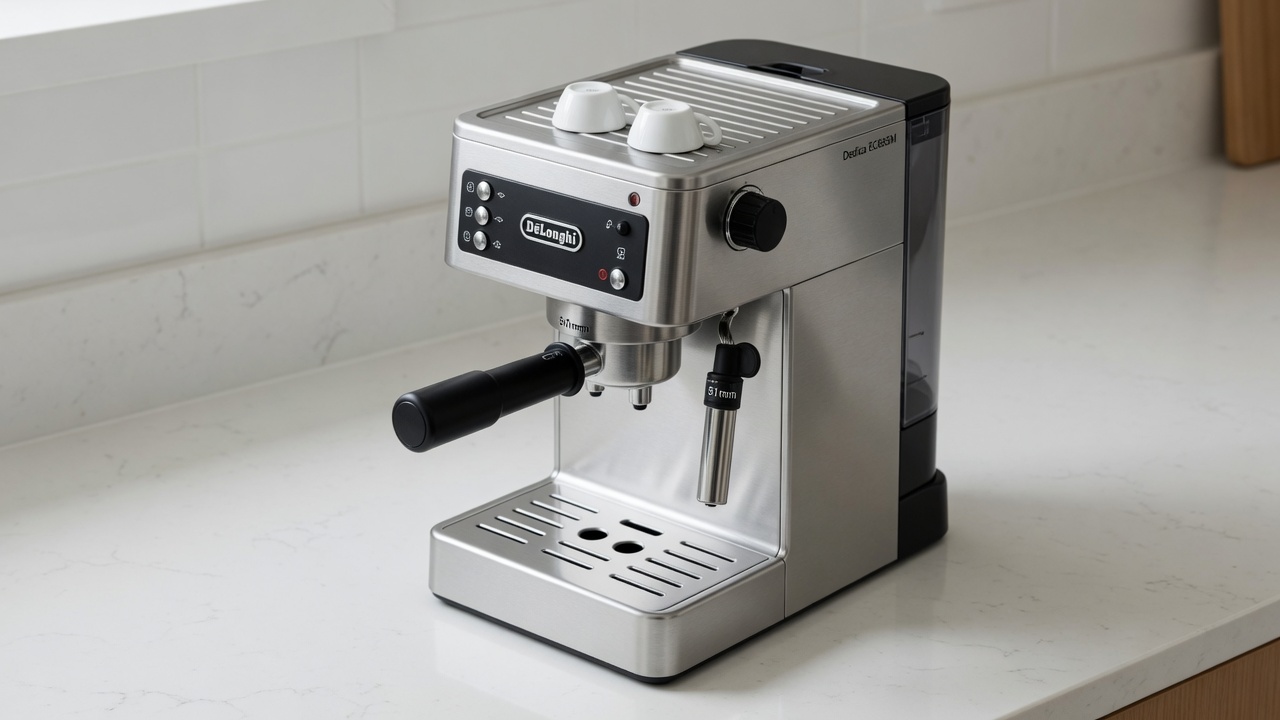
The De'Longhi Dedica EC685M is one of the most popular entry-level espresso machines on the market. At under 6 inches wide, it fits countertops where full-size machines won't. But slimline design doesn't mean much if the shots taste weak, the pump fails after six months, or you outgrow it before you've learned to dial in. This review breaks down the Dedica's real-world performance, common reliability issues, upgrade path, and whether it's worth buying in 2026.
We'll skip the marketing claims and focus on what actual owners report: pressure problems, temperature limitations, frothing capability, and the modifications that turn this budget machine into something you'll still use two years from now.
Long-term Reliability
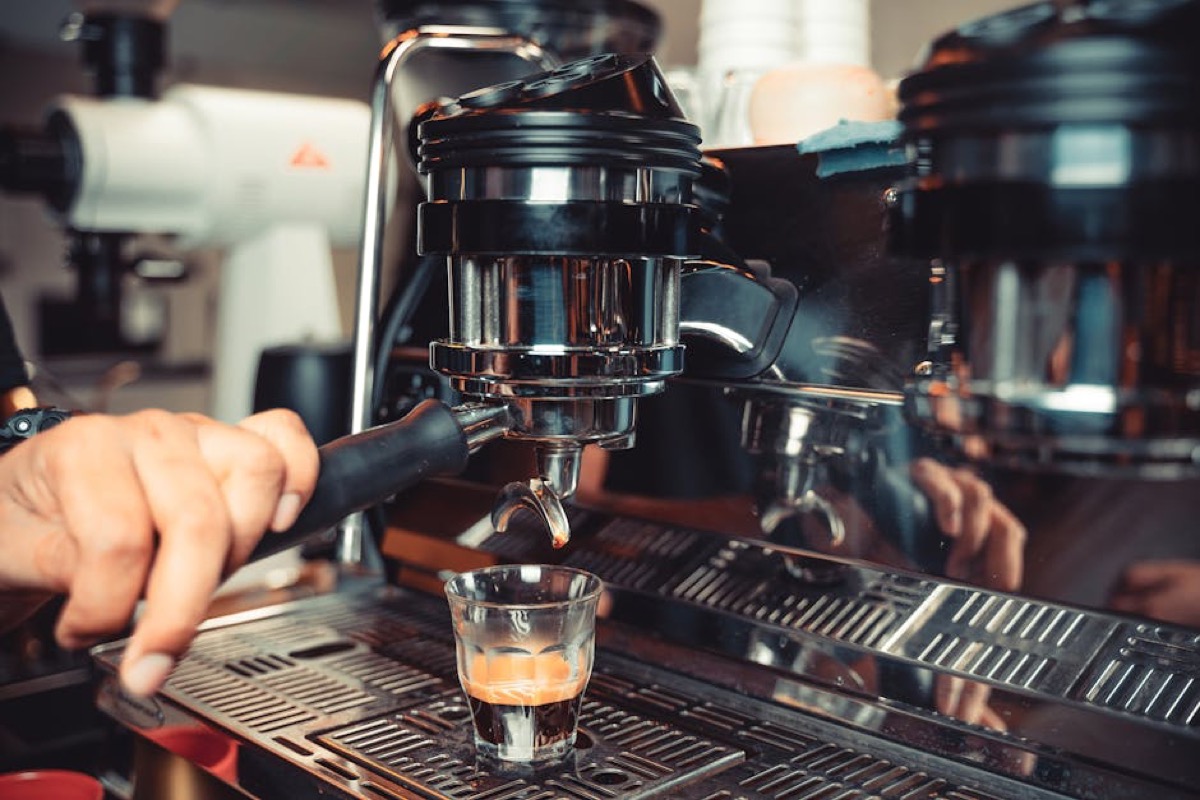
The Dedica EC685M uses a thermoblock heating system and a 15-bar pump (delivers ~9 bars at the group head via an over-pressure valve). Build quality is typical for the $200-$300 price range: plastic housing, aluminum portafilter, brass group head. Many units perform well for 2-5 years with regular descaling and cleaning.
The most common failure point: the over-pressure valve (OPV). The rubber seal or diaphragm inside wears out, clogs, or fails to maintain proper pressure. Symptoms include weak dripping extraction, no crema, or the pump struggling to push water through the group head. This is widely reported across Coffee Forums, Reddit r/espresso, and YouTube repair videos. The good news: the valve is inexpensive ($10-$20) and user-replaceable with basic tools.
Other reported issues include:
- Leaks - from the water tank connection, group head gasket, or internal O-rings. Check gasket condition every 6-12 months.
- Pump weakness - after 1-3 years of daily use, the pump may hum but deliver little water, especially with finer grinds or higher doses. Replacement pumps are available but approach half the machine's original cost.
- Temperature inconsistency - the thermoblock struggles with lighter roasts or back-to-back shots. Some users employ a "steam mode preheat hack" (run steam briefly before pulling a shot) to boost water temperature.
Maintenance requirements: Descale every 2-3 months depending on water hardness (the machine has a descale indicator light). Backflush weekly if using the non-pressurized basket mod. Clean the steam wand immediately after every milk drink to prevent clogs. Neglecting these basics accelerates failure.
Overall durability gets mixed feedback. It's a budget machine - not bulletproof - but if you maintain it well and address OPV issues proactively, it can last. Expect some tinkering. If you want zero-maintenance espresso, spend more on a machine with better component quality.
Shot Quality
The Dedica ships with pressurized baskets designed to produce crema from pre-ground coffee or inconsistent grinds. These baskets hide extraction problems and produce acceptable-looking shots that taste flat and lack complexity. If you buy this machine intending to use the stock baskets long-term, you're wasting your money - pod machines are more convenient and taste similar.
The Dedica becomes worth it only after you swap to a non-pressurized 51mm basket and pair it with a capable grinder. This unlocks real espresso - where grind size, dose, tamp pressure, and extraction time directly affect the shot. You'll taste the difference immediately: origin notes, sweetness, body.
With a good grinder (Baratza Encore ESP, hand grinder like Comandante C40 or Kingrinder K4), fresh beans, and proper technique, the Dedica can pull respectable shots. Extraction is fast (18-25 seconds typical for a ristretto-style 1:1.5 to 1:2 ratio) due to the thermoblock and smaller boiler. Some users prefer this; others find it harder to dial in for lighter roasts.
Temperature limitations remain. The thermoblock doesn't get as hot as dual-boiler or heat-exchanger machines. Lighter roasts may taste sour or under-extracted even when dialed in correctly. Medium and dark roasts perform better. The steam-mode preheat hack helps but adds workflow friction.
Consistency improves with a bottomless (naked) portafilter - you can see channeling, uneven tamps, and distribution issues in real time. Cheap 51mm bottomless portafilters are widely available on Amazon for $20-$40. This mod is essential for anyone serious about learning espresso technique.
Verdict on shot quality: With the right grinder, fresh beans, and non-pressurized basket, the Dedica punches above its price. Without those, it's a $250 crema machine that underperforms $30 Moka pots.
Frothing Capability
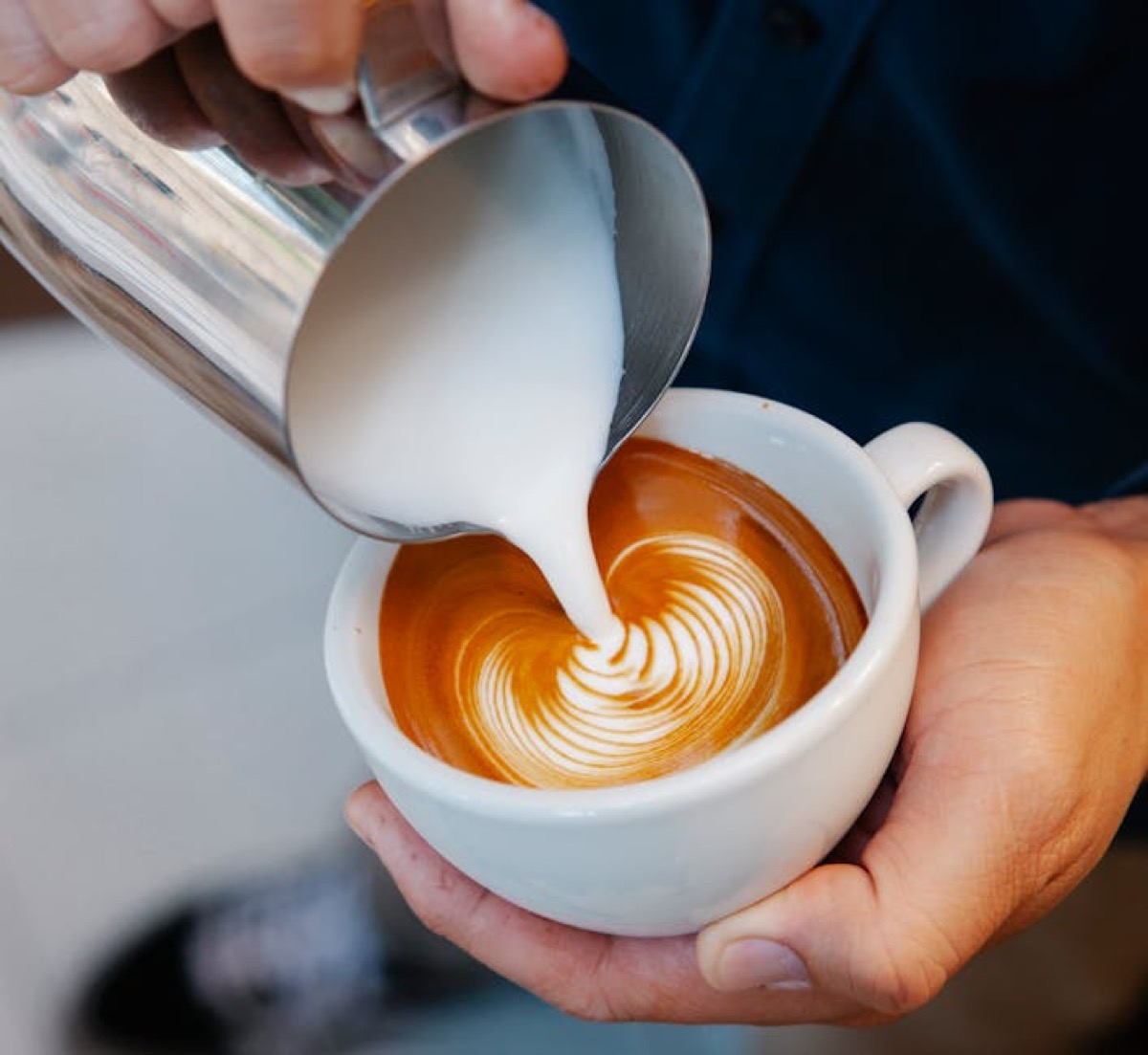
The Dedica EC685M includes a panarello steam wand - a plastic sleeve that injects air into milk automatically to create foam. Panarello wands are beginner-friendly but produce large, airy bubbles instead of velvety microfoam. You can make cappuccinos and lattes, but latte art is nearly impossible without removing the panarello attachment.
The fix: remove the outer panarello sleeve to expose the inner steam tube. This turns the Dedica into a traditional steam wand. You'll need to learn proper frothing technique (submerge tip just below milk surface, create a whirlpool, stretch then texture), but the results are dramatically better. Many users secure the inner tube with a cable tie to prevent it from popping off under pressure.
Steam power is adequate for 8-12 oz milk drinks. Recovery time between shots and steaming is slower than dual-boiler machines (you have to wait for the thermoblock to switch modes and reheat). For single drinks or occasional milk-based espresso, it works. For back-to-back lattes, it's frustrating.
Verdict on frothing: Remove the panarello sleeve. Learn to steam properly. Accept the workflow trade-off (slower recovery). If you make 3+ milk drinks per session regularly, budget for a dual-boiler machine instead.
Common Issues
These problems show up repeatedly in user forums, Amazon reviews, and repair guides:
1. Low or No Pressure
Symptoms: Weak, dripping extraction. No crema. Pump hums but little water flows.
Cause: Failed over-pressure valve (OPV), clogged shower screen, or pump wear.
Fix: Replace the OPV (cheap, DIY-friendly). Backflush and descale. If the pump itself is failing, replacement costs approach half the machine's value - consider upgrading instead.
2. Leaks
Symptoms: Water dripping from the bottom, sides, or group head during extraction.
Cause: Worn group head gasket, loose water tank connection, or internal seal failure.
Fix: Replace the group head gasket (every 6-12 months for heavy use). Check the water tank seats properly. Internal leaks require disassembly - YouTube has detailed repair videos.
3. Temperature Too Low
Symptoms: Sour shots even when grind is dialed in. Lighter roasts never taste right.
Cause: Thermoblock limitation - it doesn't get as hot as traditional boilers.
Fix: Use the steam-mode preheat hack (run steam for 3-5 seconds before pulling a shot). Stick to medium and dark roasts. Accept that this machine has thermal limits.
4. Extraction Too Fast
Symptoms: Shots pull in 10-15 seconds. Taste is weak and sour.
Cause: Grind too coarse, dose too low, channeling from poor puck prep, or using the pressurized basket.
Fix: Grind finer. Dose 14-18g for a single shot. Tamp evenly with 30 lbs pressure. Use a WDT tool (or toothpick) to break up clumps before tamping. Switch to a non-pressurized basket.
Upgrade Path
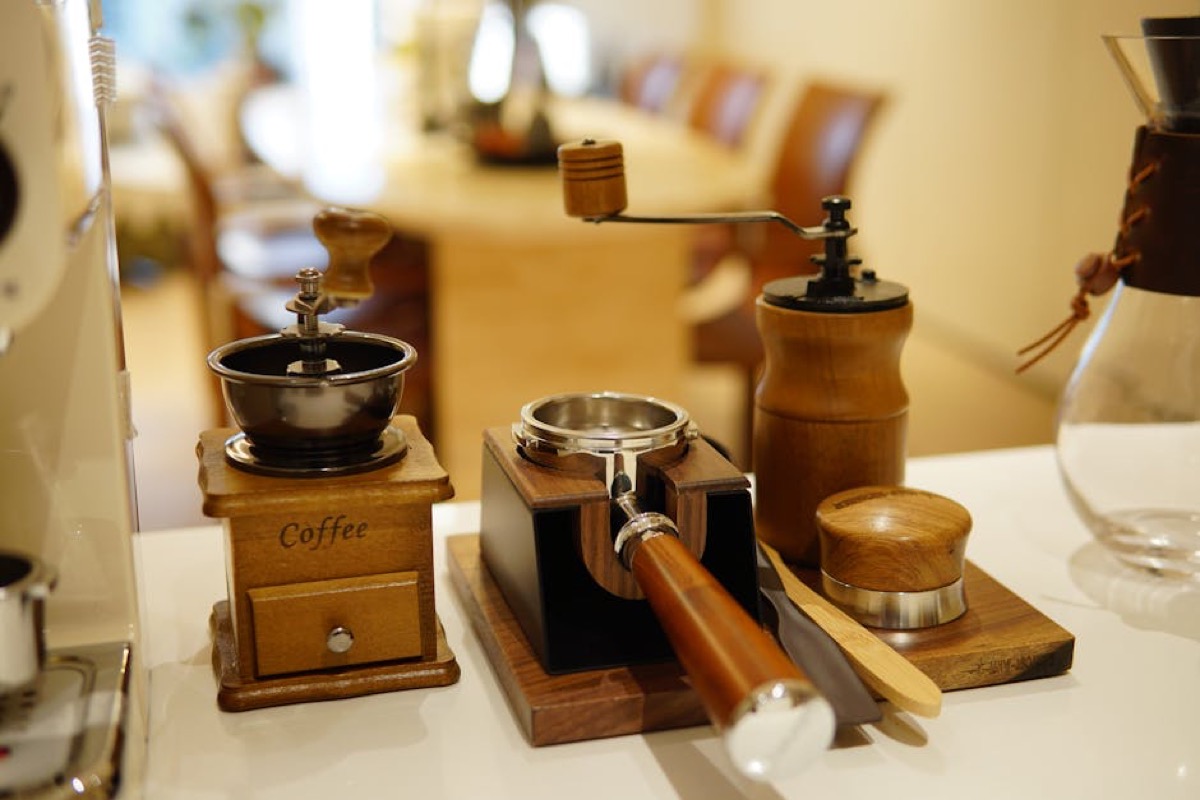
The Dedica is a platform machine - it requires modifications to reach its potential. Budget $50-$150 for upgrades beyond the machine itself.
Essential Upgrades (Do These First)
1. Non-pressurized 51mm basket - $8-$15 on Amazon or eBay. Enables real espresso extraction. Without this, the Dedica is a toy.
2. Capable grinder - Baratza Encore ESP ($200) is the most recommended electric option for the Dedica. Hand grinders like Comandante C40 or Kingrinder K4 ($50-$100) outperform entry-level electrics for espresso consistency. Do NOT pair this machine with a blade grinder or cheap burr grinder - you'll never get decent shots.
3. Remove panarello sleeve - Free mod. Exposes the inner steam wand for proper microfoam. Secure with a cable tie if it pops off.
Recommended Upgrades (Improve Workflow)
4. Bottomless (naked) 51mm portafilter - $20-$40. Normcore 51mm bottomless portafilter fits Dedica EC680/EC685 models. Lets you see extraction in real time, diagnose channeling, and improve puck prep. Also looks cooler.
5. 51mm espresso tamper - $10-$25. 51mm tamper kit with dosing funnel and WDT tool. Stock plastic tamper is too light and uneven. A proper tamper improves consistency.
6. Precision dosing scale - $15-$50. Weighing dose and output eliminates guesswork. Dial-in becomes repeatable.
Advanced Mods (Optional)
7. OPV spring replacement - Some users swap the stock OPV spring for a lower-pressure version (targeting 9 bars instead of 12-15 bars). Requires disassembly. Improves extraction on lighter roasts. Not necessary for most users.
8. PID temperature controller - Aftermarket PID kits exist but are complicated to install and cost $100+. Only worth it if you're committed to keeping the Dedica long-term and want tighter temperature control.
When to Upgrade Beyond the Dedica
You've outgrown the Dedica when:
- You're pulling 3+ shots per day and the slow heat-up/recovery frustrates you
- You want to explore lighter roasts and the thermoblock temperature limits you
- The pump or OPV has failed and replacement costs approach a new machine
- You've mastered technique and want better shot-to-shot consistency
Logical next steps: Gaggia Classic Pro ($400-$500, better build quality, brass boiler, standard 58mm portafilter), Rancilio Silvia ($700-$800, tank-like durability), or Breville Bambino Plus ($400-$500, faster heat-up, better steam).
Worth It Verdict
The De'Longhi Dedica EC685M is worth buying in 2026 if:
- You have a capable espresso grinder (or budget $200 for one)
- You're willing to swap to a non-pressurized basket and remove the panarello sleeve
- You understand this is a learning platform, not a plug-and-play appliance
- Counter space is genuinely limited (the 6-inch width is a real advantage)
- You're okay with some tinkering (descaling, gasket replacement, OPV swaps)
- You drink 1-2 espresso-based drinks per day, not 5+
Skip the Dedica if:
- You plan to use the stock pressurized baskets long-term (buy a pod machine instead)
- You don't have a grinder and aren't budgeting for one (the machine is useless without proper grind quality)
- You want zero-maintenance, plug-and-play espresso (doesn't exist at this price point)
- You make 3+ milk drinks per session (the single thermoblock is too slow)
- You're serious about lighter roasts (temperature limitations will frustrate you)
Final Thoughts
The Dedica EC685M is a capable entry-level espresso machine for buyers who understand what they're getting into. It's not a luxury appliance. It's a slimline, budget-friendly platform that becomes genuinely good after $100-$150 in upgrades and a learning curve.
Reliability is adequate but not bulletproof. Expect to replace the OPV or group head gasket eventually. Descale religiously. Clean the steam wand. Don't expect it to last 10 years without maintenance.
Shot quality depends entirely on your grinder. Pair this with a Baratza Encore ESP or a decent hand grinder, use a non-pressurized basket, and dial in carefully - you'll pull shots that rival machines twice the price. Pair it with pre-ground coffee and the pressurized basket, and you've bought an expensive toy.
The slimline design is the machine's killer feature. If you have 6 inches of counter space and can't fit a standard 10-12 inch machine, the Dedica is one of the only real espresso options available. That alone makes it worth considering.
Bottom line: At $200-$300, the De'Longhi Dedica EC685M is worth it for space-constrained beginners willing to invest in a grinder and learn proper technique. It's not perfect, but with the right upgrades, it punches well above its price class.
Photos provided by Pexels.