Find your next setup
Best Coffee Beans for Espresso in 2026
Compare six espresso coffees by flavor and format. Check the exact whole-bean bag and pack size before buying.
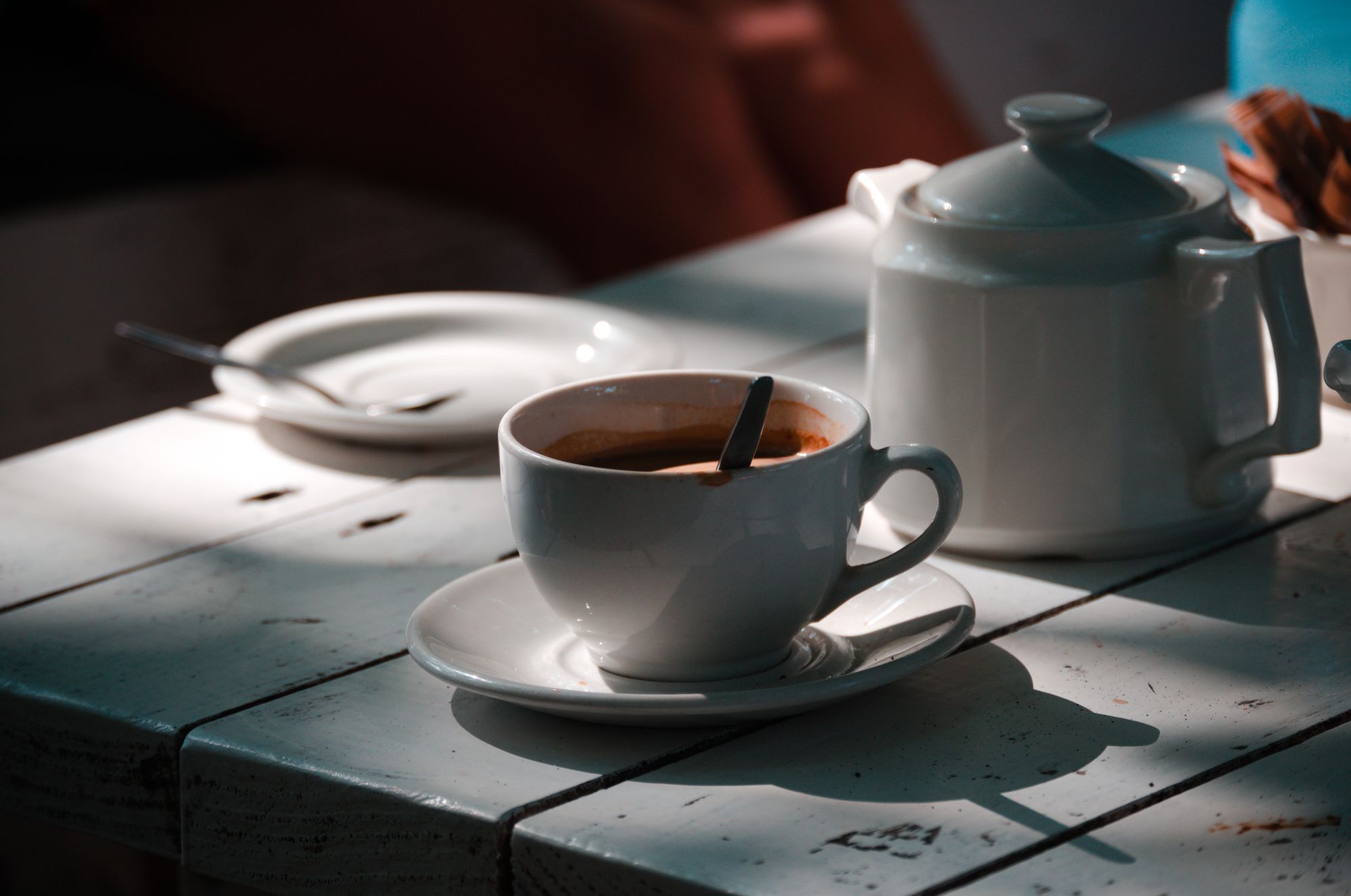
Photo: Linken Van Zyl / Pexels
Affiliate disclosure: We may earn a commission from qualifying purchases through these links, at no extra cost to you.
Choose the flavor, then check the bag
Traditional everyday starting point: Lavazza Super Crema. Specialty blend alternative: Stumptown Hair Bender. Brighter espresso: Black Cat Classic is a blend, not a single origin.
Check Super Crema whole bean - 2.2 lb
This is a large bag; choose it only if you can use it while fresh. Buy whole bean if you have a grinder. Confirm roast, net weight and pack count at the merchant; two listings for the same coffee may be different sizes. Start with an amount you can use while fresh rather than choosing the largest bag by default.
Lavazza Super Crema
The most forgiving, crowd-pleasing espresso blend available on Amazon. Hazelnut sweetness, low bitterness, consistent across machine types.
- Flavor Profile Hazelnut, low bitterness
- Roast Level Medium
- Consistency Excellent
- Best For All machine types
Stumptown Hair Bender
Complex, balanced, and widely respected in the specialty coffee world. Chocolate, dried fruit, and citrus.
- Flavor Profile Chocolate, fruit, citrus
- Complexity High
- Best For Nuanced espresso
- Reputation Specialty coffee favorite
Intelligentsia Black Cat Classic
An espresso blend, not a single-origin coffee. Intelligentsia describes Black Cat Classic as its lightest espresso, with cherry, cola and orange notes and syrupy sweetness.
- Roast Level Light
- Origin Espresso blend
- Flavor Notes Cherry, cola, orange
- Best For Bright straight espresso
Introduction
The bean question is the most underrated variable in home espresso. Most beginners spend months obsessing over machine pressure and grind size while ignoring the one thing that determines what ends up in the cup: the coffee itself.
The best machine in the world cannot rescue stale beans. A $500 grinder set to the wrong dose still produces a flat shot if the roast date is six weeks ago. And the difference between a commodity supermarket blend and a properly sourced specialty roast is not subtle, not a matter of taste preference, and not something you need a refined palate to notice. It is simply a different product.
This guide covers six espresso beans worth your money in 2026, selected across different roast profiles, price points, and brewing styles. They range from traditional blends to brighter specialty espresso blends. Check the exact roast, whole-bean format, pack size, seller and freshness at the destination; availability and selected variants can change.
What this guide does not do: pretend to have personally roasted thousands of bags or blind-cupped every option on the market. What it does do: draw on a deep base of specialty coffee knowledge, community consensus from r/espresso, established roaster reputations, and clear criteria for what makes a bean good for high-pressure extraction specifically. The honest approach.
Comparison Table
| Bean | Roast Level | Origin | Flavor Notes | Approx. Price/lb | Best For |
|---|---|---|---|---|---|
| Lavazza Super Crema | Medium | Blend (Blend from multiple countries; components may vary) | Hazelnut, honey, dried apricot | check selected pack price | Beginners, any machine |
| Stumptown Hair Bender | Medium | Blend (Latin America, Indonesia, Africa) | Chocolate, dried cherry, citrus zest | check selected pack price | Specialty lovers, mid-range machines |
| Intelligentsia Black Cat Classic | Light-Medium | Espresso blend; lots can change | Cherry, cola, orange | check selected pack price | Drinkers seeking bright, sweet espresso |
| Illy Classico Espresso | Medium | Blend (9 origins, Arabica only) | Toasted almond, chocolate, subtle floral | check selected pack price | Traditionalists, everyday quality |
| Death Wish Coffee | Dark | Blend (Blend components may vary; see the current pack) | Bold dark chocolate, molasses, smoky finish | check selected pack price | Dark roast fans, large-volume drinkers |
| Kicking Horse Cliff Hanger | Medium | Blend (Fair Trade, organic) | Black tea, dried blueberry, milk chocolate | check selected pack price | Ethical buyers, lighter espresso style |
Individual Bean Reviews
Lavazza Super Crema Whole Bean Coffee
Lavazza Super Crema is a widely used entry point for home espresso. This is a professionally designed blend built specifically for the pressure and temperature conditions of espresso extraction, and it shows in the cup.
The current Super Crema listing describes an Arabica and Robusta blend sourced from multiple countries. It does not establish a fixed 80/20 ratio. Choose it for a traditional medium-roast espresso profile, not an assumed exact country recipe.
Pull this at 9 bars, 93 degrees Celsius, 25 to 30 seconds, and you get a shot with a hazelnut-forward sweetness, mild dried apricot in the middle, and a clean honey finish. Minimal acidity. It pairs naturally with milk, making it equally good for cappuccinos and macchiatos as it is for straight shots. This is the bean that makes a new espresso drinker think they have figured it out, which is exactly what a good everyday espresso should do.
Compare the delivered cost of the linked 2.2 lb bag with a smaller bag you can finish while fresh. We have not established a current price-per-pound saving over other roasters; the merchant price and pack count control.
- Roaster: Lavazza (Turin, Italy, founded 1895)
- Roast Level: Medium
- Blend Origins: Blend from multiple countries; components may vary
- Arabica/Robusta: Arabica and Robusta; exact ratio not verified
- Tasting Notes: Hazelnut, honey, dried apricot, light caramel finish
- Grind Size for Espresso: Fine (start at mid-range of your grinder)
- Best Machine Pairing: Any home espresso machine including entry-level semi-automatics
- Bag Sizes Available: 2.2 lb (1 kg) standard
- Current Pack Price: check selected pack price
Pros
- Best-selling espresso blend on Amazon for good reason
- Forgiving extraction window: works well even with minor dialing errors
- Produces consistent, thick crema from the Robusta component
- Compare the current delivered price per ounce
- Works well for both straight espresso and milk drinks
- Ships in sealed 1 kg bags that preserve freshness well
Cons
- Robusta component means it is not 100% Arabica for purists
- Less complex and nuanced than specialty single origins
- Roast date is not printed on the bag (industry concern for all Lavazza products)
- Not ideal for pour-over or drip brewing
Verdict: The best first bag of espresso beans for any home barista and a strong permanent option for daily drinking. If you want a blend that works on your Breville, Gaggia, or De'Longhi without extensive dialing, this is it. The value-to-quality ratio is hard to beat at this price point.
Stumptown Coffee Roasters Hair Bender Whole Bean Coffee
Stumptown Hair Bender has been a flagship of the third-wave espresso movement since its release. Named after the grind adjustment needed when Stumptown first developed the blend, it represents a particular philosophy: complex flavor without sacrificing consistency or accessibility. A decade-plus later, it still holds up as one of the most versatile and well-executed specialty espresso blends available.
The current Hair Bender listing describes a blend from Latin America, Indonesia and Africa, with sweet citrus, dark chocolate and raisin notes. Component coffees can change; do not treat a particular country recipe as fixed for every bag.
As espresso, Hair Bender pulls best between 92 and 94 degrees Celsius with a 26 to 32 second shot time. At the right dose, you get a thick, rust-colored crema with a pronounced chocolate aroma, a mid-palate of dried cherry and dark fruit, and a citrus zest finish that lingers cleanly. It is sophisticated without being difficult, which is exactly what makes it a great step up from commodity blends.
It also works surprisingly well as a longer-format drip coffee or pour-over, which is rare for espresso-forward blends. If your household has both espresso drinkers and drip drinkers, Hair Bender is an efficient single-bag solution.
- Roaster: Stumptown Coffee Roasters (Portland, OR, founded 1999)
- Roast Level: Medium
- Blend Origins: Latin America, Indonesia and Africa (seasonal rotation)
- Arabica/Robusta: 100% Arabica
- Tasting Notes: Dark chocolate, dried cherry, citrus zest, brown sugar
- Grind Size for Espresso: Fine to medium-fine
- Best Machine Pairing: Mid-range semi-automatic machines with temperature stability (Breville Barista series, Gaggia Classic)
- Bag Sizes Available: 12 oz bags
- Current Pack Price: check selected pack price
Pros
- Third-wave pedigree with genuine complexity in the cup
- 100% Arabica, ethically sourced with direct relationships
- Versatile: works as espresso, cappuccino, Americano, and filter coffee
- Consistent quality maintained through seasonal blend adjustments
- Well-loved by the r/espresso community as a reliable specialty option
Cons
- Compare the selected 12 oz bag price with other exact pack sizes
- Requires more precise extraction than a commodity blend to hit its sweet spot
- Its fruit notes may not appeal to drinkers seeking a darker profile
- Roast date visibility varies by batch and retailer
Verdict: The best step-up bean for anyone who has mastered an entry-level espresso blend and wants genuine complexity without jumping to light-roast single origins. Hair Bender rewards good technique and has enough nuance to keep experienced home baristas engaged. The price is reasonable for what it delivers.
Intelligentsia Black Cat Classic Espresso
Black Cat Classic is an espresso blend, not a single-origin coffee. Intelligentsia calls it its lightest espresso and describes syrupy sweetness with vivid fruit acidity. Its current tasting notes are cherry, cola and orange. Those are the roaster's descriptors, not results from an EspressoSnob tasting panel.
Who it fits: someone who enjoys brighter straight espresso or an Americano and wants to experiment with a specialty blend. It can also be used in milk; how much brightness remains depends on the recipe and milk ratio. A PID-equipped machine is not a requirement to try this coffee.
- Coffee type: Espresso blend; component lots may change.
- Roaster's description: Lightest espresso in its range; cherry, cola, orange.
- Starting recipe: Intelligentsia recommends a 1:2.5 ratio: 18g coffee to 45g espresso. Adjust to your basket and taste.
- Buying check: Select Black Cat Classic, whole bean, then confirm bag weight, pack count and freshness. Do not assume every linked listing is the same size.
Why consider it?
It offers a different flavor direction from a traditional darker espresso blend without being mislabeled as a single origin. Start with the roaster's recipe and change one variable at a time. A capable stepped espresso grinder can work; a premium single-dose grinder is optional.
Trade-offs
If you dislike fruit acidity or mainly drink large, milk-heavy drinks, a more traditional blend may suit you better. Do not buy a large multipack before you know you enjoy it. Compare the delivered price per ounce, not just the displayed bag price.
Verdict: Choose it for bright, sweet espresso, not because you think a single-origin label or an expensive machine is required. Roaster's blend description and brew recipe checked October 31, 2026.
Illy Classico Medium Roast Whole Bean Coffee
Illy has been making espresso since 1933. The company invented the modern pressurized espresso canister, holds patents on espresso machine components, and employs a dedicated team of agronomists who travel to origin farms in nine countries every harvest season. The Classico blend is the result of nearly a century of iteration on what a technically excellent, traditionally styled espresso should taste like.
What distinguishes Illy from most commercial blends is the sourcing standard. Illy sources 100% Arabica from nine specific origins, each selected for its contribution to the overall flavor architecture: Brazilian Santos for body and sweetness, Ethiopian Sidamo for floral complexity, Guatemalan for chocolate depth, Costa Rican for brightness. The blend is then roasted in Trieste, Italy, pressurized into nitrogen-sealed cans that prevent any oxidation before opening, and shipped with an actual roast certification date rather than a vague best-by window.
As espresso, Classico is the definition of a reliable daily driver. The flavor profile sits at toasted almond, bittersweet chocolate, and a subtle floral note that appears in the finish. It is not wild or experimental. It is exactly what a well-crafted Italian-style espresso should taste like, shot after shot, bag after bag. The nitrogen sealing means a freshly opened can tastes genuinely fresh even if it shipped weeks ago, which is a meaningful technical advantage over bags with one-way valves.
- Roaster: illycaffe (Trieste, Italy, founded 1933)
- Roast Level: Medium
- Blend Origins: Nine origins including Brazil, Ethiopia, Guatemala, Costa Rica
- Arabica/Robusta: 100% Arabica
- Tasting Notes: Toasted almond, bittersweet chocolate, subtle floral finish
- Grind Size for Espresso: Whole beans: grind for your basket; this link is not a pre-ground version
- Best Machine Pairing: Traditional Italian-style machines, all semi-automatics, super-automatics
- Container Size: 8.8 oz pressurized can
- Current Pack Price: check selected pack price
Pros
- Nitrogen-sealed pressurized can ensures genuine freshness at opening
- 100% Arabica from a nine-origin blend with rigorous sourcing standards
- Nearly a century of refinement produces a dependably excellent product
- Works exceptionally well in super-automatics and pod-alternative setups
- The selected link is whole bean; other grind formats are different purchases
- Classic Italian espresso profile: exactly what most drinkers expect and want
Cons
- Smaller package size (8.8 oz can) costs more per use if buying frequently
- Less complex and interesting than third-wave specialty options
- Traditional profile may bore advanced home baristas seeking complexity
- Pre-ground options go stale faster once the can is opened
Verdict: The gold standard of traditional Italian espresso in a can. If you want espresso that tastes exactly like a well-run Italian cafe and does not require dialing experimentation, Illy Classico is the answer. The nitrogen sealing is a genuine quality advantage for freshness.
Death Wish Coffee Co. Whole Bean Coffee
Death Wish Coffee has a marketing identity built around extreme caffeine content and dark intensity, which makes it easy to dismiss as gimmick coffee. That would be a mistake. Despite the brand positioning, the coffee itself is well-sourced, genuinely dark roasted with care rather than carelessly scorched, and produces a legitimate espresso shot for drinkers who want bold over nuanced.
The selected Death Wish dark-roast whole-bean listing describes an Arabica and Robusta blend. Component origins can vary; the name does not promise a fixed two-country recipe or a particular caffeine dose in every espresso shot.
As espresso, Death Wish pulls forgivingly. Dark roasts are less sensitive to temperature variation and grind inconsistency than lighter roasts. The extraction window is wider, which means beginners can produce a palatable shot even before fully dialing in. The resulting cup is thick, heavy-bodied, very dark, with a long molasses and smoke finish. It cuts through milk aggressively, making it excellent for large lattes or cold brew espresso drinks where intensity is the goal.
Important note for grinder owners: Death Wish beans are on the oilier side. If your machine has an integrated grinder with tight burr tolerances, clean it more frequently. The oils accumulate and can produce off flavors over time.
- Roaster: Death Wish Coffee Co. (Round Lake, NY, founded 2012)
- Roast Level: Dark
- Blend Origins: Blend components may vary; see the current pack
- Arabica/Robusta: Blend (Robusta-inclusive for caffeine content)
- Tasting Notes: Dark chocolate, molasses, smoky finish, bold body
- Grind Size for Espresso: Fine to medium-fine (wider acceptable range than light roasts)
- Best Machine Pairing: Any home espresso machine; especially good for super-automatics and entry-level semi-automatics
- Bag Sizes Available: 16 oz
- Current Pack Price: check selected pack price
Pros
- Wide extraction window makes it very beginner-friendly
- Bold, intense flavor profile for drinkers who want dark espresso
- USDA Organic and Fair Trade certified
- Consistently well-rated with over 14,000 Amazon reviews
- Excellent for large milk drinks where other roasts get lost
- Compare the selected 16 oz bag price before buying
Cons
- No origin nuance or complexity from the dark roast level
- Oily beans require more frequent grinder cleaning
- Not suited for drinkers who prefer bright or acidic espresso
- Very high caffeine content may not suit all drinkers
Verdict: The best dark roast espresso option for beginners and drinkers who want intensity over complexity. Organic, certified, well-priced, and forgiving to extract. If your espresso preference runs toward bold and you drink large lattes, this is a strong choice. Just clean your grinder regularly.
Kicking Horse Coffee Cliff Hanger Espresso
Kicking Horse is a Canadian roaster with a straightforward pitch: certified organic, Fair Trade, and shade grown, delivered at a price point that does not require compromise on flavor. Cliff Hanger is their dedicated espresso blend, and it occupies a genuinely different flavor space from the other options in this guide. It sits closer to the lighter end of the medium spectrum, with a cup profile that references black tea, dried fruit, and milk chocolate rather than the dark chocolate and hazelnut notes typical of Italian-style blends.
The blend pulls clean and bright as espresso. This is not a thick, heavy shot. It produces a syrupy body with good crema, a light dried blueberry note on the front, mild milk chocolate in the middle, and a clean black tea finish that is genuinely unusual and pleasant. For drinkers coming from pour-over or filter coffee who are transitioning to espresso, Cliff Hanger provides a familiar brightness that does not feel like a departure from what they know.
The certifications are real and audited. Kicking Horse has held Fair Trade status since 1996 and their organic certification covers the entire supply chain including the roasting facility in Invermere, BC. For buyers where ethical sourcing is a purchase criterion, this is the most credibly certified option in this guide.
- Roaster: Kicking Horse Coffee (Invermere, BC, Canada, founded 1996)
- Roast Level: Medium
- Blend Origins: Fair Trade certified farms (Indonesia, Central and South America)
- Arabica/Robusta: 100% Arabica
- Tasting Notes: Black tea, dried blueberry, milk chocolate, clean finish
- Grind Size for Espresso: Fine to medium-fine
- Best Machine Pairing: Mid-range semi-automatics; especially good for Americanos and long black style drinks
- Linked bag: 2.2 lb (1 kg), whole bean
- Current Pack Price: check selected pack price
Pros
- Triple certified: Organic, Fair Trade, and shade grown
- Lighter medium roast profile works well for pour-over converts
- Distinctive black tea and dried fruit notes set it apart from Italian-style blends
- Compare the current price of the selected pack for the certification level
- Available in multiple bag sizes for different purchase volumes
Cons
- Lighter profile may disappoint drinkers expecting bold, heavy espresso
- The tea-like character is polarizing for traditional espresso drinkers
- Less crema development than darker or Robusta-inclusive blends
- The linked 2.2 lb bag is a bulk purchase; choose it only if you can use the coffee while fresh
Verdict: The best choice for drinkers who prioritize ethical sourcing and want a lighter, brighter espresso profile. Cliff Hanger is genuinely different from most espresso blends in a good way. If you care about certifications and want something other than dark chocolate and hazelnut in your cup, this delivers.
Grinder Pairing by Bean Type
The bean and grinder pairing matters more than most home baristas realize. Light-roasted single origins require a different grinder strategy than a forgiving Italian blend. Here is a practical breakdown by the beans in this guide.
| Bean | Grind Requirement | Grinder Tier | Specific Recommendations | Notes |
|---|---|---|---|---|
| Lavazza Super Crema | Fine, medium-wide window | Entry to mid-range | Baratza Encore ESP, Breville Smart Grinder Pro, any quality burr grinder | Most forgiving; works on nearly any burr grinder |
| Stumptown Hair Bender | Fine to medium-fine, tighter window | Mid-range | Baratza Sette 270, Baratza Encore ESP, Breville Smart Grinder Pro | Rewards better grind consistency; extraction window narrower than commodity blends |
| Intelligentsia Black Cat Classic | Fine; dial to taste | Espresso-capable | Niche Zero (single-dose), DF64 Gen 2, 1Zpresso J-Ultra (manual), Baratza Sette 270 | Start at the roaster’s 1:2.5 ratio; adjust grind and yield to taste |
| Illy Classico | Fine, wide window | Entry to mid-range | Any quality burr grinder; works in super-automatics | Designed for consistent extraction; available pre-ground if needed |
| Death Wish Coffee | Medium-fine, widest window | Entry to mid-range | Any quality burr grinder; clean burr path monthly due to bean oils | Dark roast = most forgiving extraction; oily beans require regular grinder cleaning |
| Kicking Horse Cliff Hanger | Fine to medium-fine | Entry to mid-range | Baratza Encore ESP, Breville Smart Grinder Pro, Baratza Encore ESP | Lighter medium profile needs slightly coarser grind than dark roasts for same shot time |
General Grinder Rules for Espresso
Never use a blade grinder for espresso. Blade grinders produce wildly inconsistent particle sizes. The fine particles over-extract and turn bitter while the coarse particles under-extract and stay sour, simultaneously, in the same shot. The result is ungradable. No dialing in is possible because the grind distribution changes with every grind.
Use a grinder suited to espresso. Black Cat Classic is a brighter espresso blend, not a single-origin equipment test. Start with a repeatable dose and the roaster’s suggested ratio; adjust grind and yield to taste before buying a more expensive grinder.
Switching roast levels requires re-dialing. Dark roasts break down more during grinding and produce more fine particles per grind unit. When you switch from a medium to a dark roast at the same grinder setting, your shot will run slower. Adjust coarser when moving darker, finer when moving lighter. Budget two to three pucks of adjustment when switching beans.
Choose a workflow you will use. Single dosing helps when you switch beans often; hopper dosing is convenient for repeat drinks. Neither is required by the Black Cat name. See our espresso grinder guide for the trade-offs.
Buying Guide: How to Choose Espresso Beans
Roast Level and What It Means for Espresso
Roast level is the single most consequential variable in espresso bean selection, and it interacts directly with your machine capabilities. Here is how to think about it:
Light roasts preserve origin character. Coffee grown at high altitude in Ethiopia, Colombia, or Guatemala has terroir, specific flavor compounds produced by soil, altitude, variety, and processing method. A light roast develops the bean to about 400 degrees Fahrenheit, stopping before those compounds are driven off by heat. The result is expressive, fruit-forward, and often bright with acidity. The challenge: light roasts require precise extraction temperature (usually 93 to 96 degrees Celsius), exact grind calibration, and a machine that can maintain stable brewing conditions. A basic thermostat machine and a beginner who has not yet learned to dial in will produce sour, thin shots from a light roast. The bean is not at fault; the extraction is.
Medium roasts balance origin character with roast development. This is the practical sweet spot for home espresso. Enough sweetness and body from roast development to pull forgivingly, enough origin character to provide genuine flavor interest. Lavazza Super Crema, Stumptown Hair Bender, Illy Classico, and Kicking Horse Cliff Hanger all sit in this zone. They reward good technique but do not punish minor errors.
Dark roasts emphasize roast character over origin character. The dark roast process, typically 430 to 450 degrees Fahrenheit, largely eliminates origin-specific flavor compounds and replaces them with roast-derived ones: chocolate, caramel, smoke, bittersweet notes. Dark roasts are the most forgiving for extraction. Wide grind range, tolerant of temperature variation, produce thick crema naturally. The trade-off is flavor depth: you are tasting roast, not origin.
Single Origin vs. Blend
A blend is engineered. A roaster selects beans from multiple origins, each contributing specific characteristics, and combines them to produce a consistent flavor profile that does not shift with seasonal harvest variation. This consistency is a feature for home baristas who want the same cup year-round without needing to re-dial their grinder when a new crop arrives.
A single origin is a feature of a specific place and time. The beans come from one region, farm, or even one lot within a farm. The flavor reflects that specific growing environment in that specific harvest. Single origins change with seasons, which means what you buy in March may taste different from what you buy in October under the same label. For espresso specifically, single origins typically require more dialing precision because they were not designed with extraction consistency as a primary goal.
For daily home espresso, start with a well-made blend. Once you are comfortable with your equipment and can pull consistently, explore single origins to find flavors you find genuinely compelling.
Freshness and the Roast Date
Ground coffee goes stale in 15 to 30 minutes. Whole bean coffee goes stale in 2 to 4 weeks after opening if stored poorly and 3 to 6 weeks if stored well. This is not exaggeration; it is the basic chemistry of coffee oxidation. The compounds that produce aroma and flavor in coffee are volatile organic compounds. Once roasted, they begin leaving the bean. Heat, light, moisture, and exposure to oxygen accelerate the process.
The roast date on a bag tells you when those volatile compounds began their inevitable decline. A bag roasted three months ago and sealed in nitrogen (as Illy does) may be fresher than a bag roasted two weeks ago and stored on a warm shelf. Look for roast dates, not best-by dates. Best-by dates are marketing; roast dates are information.
The ideal use window for espresso beans is 7 to 21 days after roast. Under 7 days, CO2 off-gassing from the freshly roasted beans creates channeling and inconsistency in the puck. Over 21 days, aromatic compounds have degraded enough to flatten the cup. Order smaller bags more frequently rather than buying bulk if freshness is a priority.
Grind Size and Espresso
Espresso extraction requires a fine grind: much finer than drip, slightly coarser than Turkish coffee. The precise grind setting depends on your specific grinder, bean density, roast level, and target shot time. No guide can tell you the exact number. What the guide can tell you is the framework: aim for 25 to 30 seconds of extraction for a 1:2 ratio shot (18 grams in, 36 grams out), and adjust grind finer if the shot runs fast and sour, coarser if it runs slow and bitter.
Dark roasts grind slightly coarser than light roasts for the same shot time, because darker roast breaks down the cellular structure of the bean and produces more fine particles per unit of grinding. If you switch roast levels, expect to re-dial your grinder.
Storage Best Practices
Store espresso beans in an airtight container in a dark cabinet at room temperature. The most common mistakes: storing in the refrigerator (condensation damage when opening), storing in a transparent container on the counter (light degradation), or buying pre-ground (immediate staling). An opaque ceramic or stainless container with a tight-fitting lid is the right tool. Valve bags that came with the beans work adequately for a few weeks if sealed properly after each use.
Freezing is acceptable for long-term storage if done correctly: seal beans in an airtight bag or container, freeze once, thaw completely before opening, and never refreeze. The single freeze-thaw cycle preserves volatile compounds well. Multiple freeze-thaw cycles introduce moisture and degrade quality.
Frequently Asked Questions
Which espresso beans work best with milk drinks like lattes and cappuccinos?
For a traditional milk-drink starting point, consider Lavazza Super Crema or Illy Classico whole beans. Death Wish is a darker, higher-caffeine option; choose it only if that suits you. Black Cat Classic is a brighter espresso blend, not a single origin and not restricted to black coffee. Try a small bag and adjust the milk ratio to taste.
What grinder should I use for these beans?
Light-roasted single origins require a precision burr grinder with tight particle distribution -- a Niche Zero, DF64 Gen 2, or Baratza Sette 270. The narrow extraction window punishes grinders with high fines production. Medium blends like Lavazza Super Crema and Stumptown Hair Bender work well on any quality burr grinder including entry-level options. Dark roasts like Death Wish are the most grinder-forgiving but produce oily residue -- clean the burr path monthly. Avoid blade grinders for espresso regardless of bean type. See the grinder pairing table above for specific recommendations by bean.
What roast level is best for espresso?
Medium to medium-dark roasts work best for most home espresso setups. They produce balanced shots with sweetness, body, and acidity in proportion. Light roasts require more precision to extract well and produce sour, underdeveloped shots on machines without precise temperature control. Dark roasts are forgiving and produce classic cafe-style espresso but lack the complexity of medium roasts. For beginners, start with a medium blend like Lavazza Super Crema or Illy Classico and move lighter once you have your technique dialed in.
Can you use regular coffee beans for espresso?
Yes. There is no botanical difference between beans labeled for espresso and those labeled for drip. The label refers to the intended brewing method and indicates how the roaster has profiled the bean for high-pressure extraction. Beans roasted specifically for espresso tend to produce more consistent results because the roast profile targets the higher extraction efficiency of 9-bar pressure. That said, any whole bean coffee can technically be used in an espresso machine.
How fresh do espresso beans need to be?
Ideally, use beans 7 to 21 days after roast. Very fresh beans under 7 days are still off-gassing CO2 and produce inconsistent, gassy shots. Beans past 30 days lose aromatic complexity and produce flat cups. Look for a roast date on the bag, not just a best-by date. Order smaller bags more frequently rather than buying in bulk if freshness is a priority. Pre-ground coffee should be avoided entirely for espresso.
What is the difference between single origin and blend espresso beans?
A blend combines beans from multiple origins to create a consistent, balanced profile designed for year-round consistency. Single origins come from one farm or region and showcase terroir-specific characteristics that change seasonally. For home use, blends are more forgiving and predictable. Single origins reward precision dialing and offer unique flavor discovery but require more technical skill to extract consistently.
How much should you spend on espresso beans?
Budget $15 to $25 per pound for quality daily espresso. Below $12/lb usually means commodity-grade beans with unknown roast dates. Above $30/lb is for enthusiasts seeking rare single origins or micro-lot coffees. The practical sweet spot is $18 to $22/lb, where you find specialty-grade sourcing, freshness dating, and genuine flavor complexity without paying a premium for exclusivity.
Should espresso beans be oily?
Light surface oils on dark roasts are normal. Very oily beans, visibly slick and greasy, are usually over-roasted and can clog grinders with tight tolerances. If your machine has an integrated grinder, particularly the conical burr designs in Breville all-in-ones, avoid excessively oily beans and clean the grinder path more frequently if you use dark roasts. Medium roasts have little to no surface oil and are universally safe for any grinder type.
How should you store espresso beans?
Store in an airtight container away from light, heat, and moisture. A dark cabinet at room temperature is ideal. Do not refrigerate: condensation from opening and closing the container introduces moisture. Freezing is acceptable for long-term storage if you seal beans once, freeze once, thaw completely before opening, and never refreeze. Avoid pre-ground coffee entirely. Once ground, coffee begins staling within 15 to 30 minutes.
Methodology
The six beans in this guide were selected through a structured research process combining specialty coffee community consensus, roaster reputation analysis, and Amazon availability verification. No paid placements or sponsored recommendations are included.
Community sourcing: Bean candidates were identified from recurring recommendations across r/espresso, r/Coffee, and specialty coffee forums over the last 12 months. Beans appearing consistently across multiple independent sources received priority consideration.
Roaster standards: We evaluated each roaster on sourcing transparency (direct trade, Fair Trade, or documented supply chain), roast date disclosure practices, and documented quality consistency. Roasters with a track record of post-roast freshness practices and honest labeling were weighted positively.
Amazon availability and ratings: All recommended beans were verified as in-stock on Amazon with active product pages returning HTTP 200 status, a minimum 3.5-star average rating, and a minimum 400 customer reviews. Verified product ASINs are used in all Amazon links.
Price per pound calculation: Prices are calculated based on standard package sizes at time of research (March 2026) and are approximate. Amazon pricing fluctuates. Affiliate links use tag=espresso-site-20 as disclosed in our reader disclosure above.
Espresso-specific evaluation criteria: Bean selection criteria were applied specifically to high-pressure espresso extraction (8 to 9 bars, 90 to 96 degrees Celsius). A bean that excels as pour-over but extracts poorly at pressure was not included regardless of general reputation. Roast level, acidity calibration for espresso, and grind behavior were considered.
This guide does not claim to have blind-cupped every espresso bean on the market or to represent the subjective experience of every palate. It represents an honest, structured selection process aimed at identifying the best available options for home espresso drinkers across different skill levels, machine types, and flavor preferences.