The product, the fit, the trade-offs
Breville Barista Pro Review: Is ThermoJet Heating Worth the Upgrade in 2026?
The Breville Barista Pro BES878BSS is the upgraded sibling of the Barista Express, sitting at the top of Breville's mid-range semi-automatic lineup. ThermoJet heating reaches brew temperature in 3 seconds, the digital PID display holds temperature within ±1°F, and the 30-setting grinder offers finer dial-in than the Express's 18 stops.
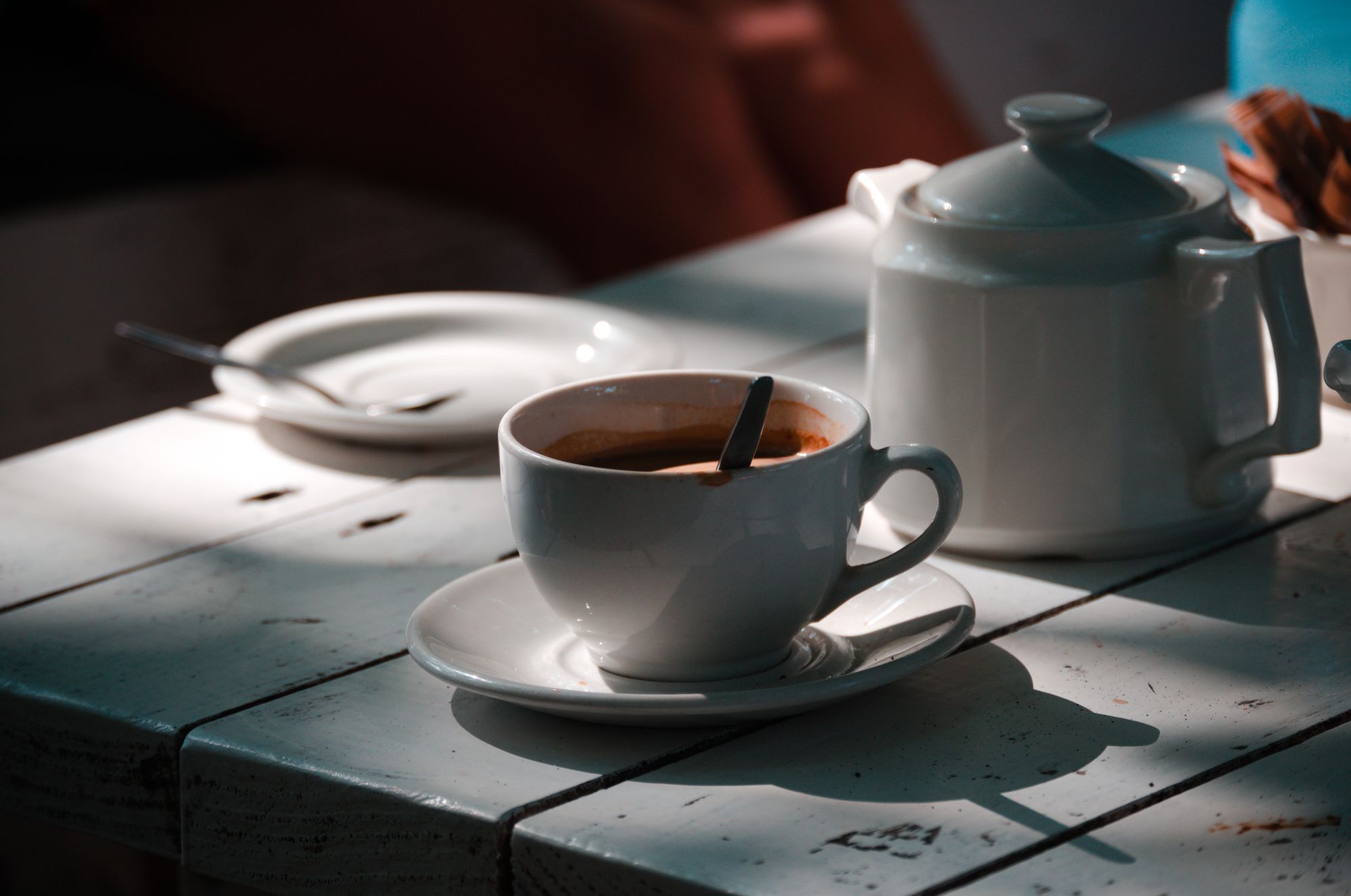
Photo: Linken Van Zyl / Pexels
At $750-850, it costs $100-150 more than the Express. The question is whether those upgrades earn back the premium.
Affiliate Disclosure: EspressoSnob is reader-supported. When you buy through links on our site, we may earn a small commission at no extra cost to you. This never influences our recommendations.
Quick Verdict
The Breville Barista Pro is the right machine for daily espresso drinkers who want fast workflow and tight temperature control without stepping into dual-boiler territory. The ThermoJet heating system is the headline upgrade and the most impactful one - going from cold start to a ready shot in under 5 seconds changes how often you actually use the machine. Combined with a true digital PID and 30 grind settings, the Pro fixes the Express's biggest workflow complaints. The grinder is still stepped (not stepless), the portafilter is still 54mm (not 58mm), and the single-boiler limitation still applies, so this is not a Gaggia Classic Pro killer for enthusiasts. But for a home user pulling 1-4 shots per day who values speed and consistency, it is the strongest all-in-one under $1,000.
Bottom Line: The best Breville semi-automatic if you pull espresso daily. ThermoJet plus digital PID earns the upgrade premium over the Express. Skip it if you already own a quality standalone grinder (consider the Bambino Plus instead).
Who It Is For
Best For
- Daily espresso drinkers who want minimal heat-up wait between shots
- Beginners with a slightly bigger budget ($750-850) who want better dial-in tools than the Express
- Anyone learning light roast extraction who needs adjustable brew temperature
- Small kitchens where an all-in-one beats a separate grinder + machine setup
- Households making 1-4 drinks per session (single-boiler workflow handles this comfortably)
Not Ideal For
- Buyers who already own a standalone grinder - the Bambino Plus saves $300 and matches espresso quality
- Light roast specialists chasing the finest grind adjustment - stepless grinders win here
- High-volume households pulling 6+ drinks back-to-back - dual boiler workflow is faster
- Anyone planning to upgrade the grinder later - you would be paying for a grinder you stop using
- 58mm portafilter purists - Breville sticks with proprietary 54mm
Full Specifications
| Model Number | BES878BSS |
| Heating System | ThermoJet inline heater (3-second heat-up) |
| Pump Pressure | 15-bar Italian pump (9-bar extraction pressure) |
| PID Temperature Control | Yes - digital PID, ±1°F stability, adjustable in 2°F increments |
| Grinder Type | Conical burr grinder, stainless steel burrs |
| Grind Settings | 30 stepped settings (upper burr also adjustable for extended range) |
| Dose Control | Time-based with manual override, dialed via LCD interface |
| Portafilter Size | 54mm (Breville proprietary) |
| Water Tank Capacity | 2 liters (67 oz), removable |
| Pre-Infusion | Yes - low-pressure pre-infusion before 9-bar extraction |
| Steam Wand | Powerful manual steam wand, 360-degree swivel |
| Display | LCD with shot countdown, temperature, and grind settings |
| Hot Water Spout | Yes - for Americanos and tea |
| Dimensions | 13.9" W x 13.6" D x 16" H |
| Weight | 21 lbs |
| Warranty | 2 years limited (Breville USA) |
| Price (2026) | $750-$850 (varies by retailer and color) |
Performance
Espresso Quality
Once dialed in, the Barista Pro pulls shots that are clean, balanced, and consistent. The 9-bar extraction pressure is industry standard. Low-pressure pre-infusion soaks the puck before full pressure hits, which reduces channeling and produces a more even extraction. The digital PID is the meaningful difference from the Express - your second, third, and tenth shot come out at the same temperature as your first, which translates to consistent taste across a brewing session. This matters most for lighter roasts and single-origin coffees where small temperature shifts shift flavor noticeably.
Like the Express, the Pro uses a 54mm portafilter and ships with both single-wall (non-pressurized) and dual-wall (pressurized) baskets. Use the dual-wall basket while you are learning grind and tamp; switch to single-wall once you can pull a 1:2 ratio in 25-30 seconds reliably. Expect to dose 18-20 grams for a double shot and yield 36-40 grams of liquid espresso.
ThermoJet Heating System
This is the upgrade you are actually paying for. The ThermoJet replaces the Express's thermocoil with an inline heating element that brings water to brew temperature on demand. From cold to ready: 3 seconds. From brew to steam temperature: another 3-5 seconds. In practice, you press the power button, walk back to the machine with your grind dose, and the LCD is already showing "READY." The Express takes 30-45 seconds for the same transition, plus a 5-10 minute warm-up if you want stable shots.
Practical impact: you stop pre-heating the machine before you want espresso. Spontaneous shot at 9 PM? The Pro handles it. The Express punishes spontaneity with a 5-minute wait. Over a year of daily use, that workflow difference is real, not theoretical.
Built-In Grinder Quality
Still a conical burr stainless steel grinder, but with 30 stepped settings instead of 18. The extra settings cluster mostly in the espresso range, giving you finer dial-in control where it matters. You can also adjust the upper burr for extended range, same as the Express. Grind consistency is comparable to the Express - acceptable for medium roasts, marginal for very light roasts, with more fines than a quality standalone grinder produces.
The Pro's grinder is integrated with the LCD interface. You set grind size on the front knob and the time-based dose via the LCD. The dose timer can be calibrated to your beans and grind setting. Most users find the LCD interface easier to read and adjust than the Express's analog dials, but the grinder itself is essentially the same hardware in a different chassis.
Steam Wand Performance
The Barista Pro steam wand produces strong, dry steam capable of texturing 12-16 oz of milk in 30-45 seconds. The 360-degree swivel makes pitcher angle flexible, and the wand is long enough to fit a standard 20-oz pitcher comfortably. Steam pressure is noticeably stronger than the Express's because the ThermoJet reaches steam temperature faster and holds it more consistently.
You still cannot brew and steam simultaneously - single-boiler limitation. But the transition between brewing and steaming is fast (3-5 seconds) instead of glacial (30-60 seconds on the Express). For a typical home flat white workflow - pull shot, transition, steam milk - the Pro adds maybe 8 seconds total over a dual-boiler machine. For 1-3 drinks, that is invisible.
Learning Curve
Easier than the Express because the digital PID and LCD give you better feedback. You can read your brew temperature, your shot time, and your grind setting on screen. Dialing in is still a process - you adjust grind, tamp, and dose to get a 1:2 ratio in 25-30 seconds - but you spend less time fighting equipment and more time tasting and adjusting. Most beginners pull acceptable shots within 5-10 attempts. Dialing in a new bean takes 3-5 shots for a confident user.
Pros
- ThermoJet 3-second heat-up - removes the workflow friction of preheating before every shot
- True digital PID temperature control - holds within ±1°F, adjustable in 2°F increments
- 30 grind settings vs Express 18 - finer dial-in control in the espresso range
- LCD interface - reads shot time, brew temperature, grind setting, and dose at a glance
- Same compact footprint as the Express - fits where the Express fits, no extra counter space
- Pre-infusion built in - reduces channeling and improves extraction balance
- Strong steam wand - dry steam, fast milk texturing for flat whites and cappuccinos
Cons
- Grinder is still stepped, not stepless - micro-adjustments between settings are impossible
- 54mm portafilter - locks you out of the standard 58mm accessory ecosystem (precision baskets, third-party tampers)
- Single boiler limitation - cannot brew and steam simultaneously, though transitions are fast
- Grinder produces more fines than standalone units - same hardware as the Express, just with more setting stops
- $100-150 premium over the Express - hard to justify if you pull only 2-3 shots per week
- Loud grinder (75-80 dB) - audible throughout a small house at 6 AM
- If the grinder fails, the entire unit is affected - integrated design means one component failure can sideline the machine
Comparison: Barista Pro vs Alternatives
Breville Barista Pro vs Breville Barista Express
The Pro fixes the Express's three biggest workflow complaints: slow heat-up, loose temperature control, and limited grind settings. Specifically:
- Heat-up: Pro ThermoJet 3 seconds vs Express thermocoil 30-45 seconds
- Temperature control: Pro digital PID ±1°F vs Express thermocoil ±3-5°F
- Grind settings: Pro 30 vs Express 18
- Interface: Pro LCD vs Express analog dials and pressure gauge
- Espresso quality: Comparable when both are dialed in, but the Pro is more consistent across a session
- Price: Pro $750-850 vs Express $600-700
Verdict: If you pull daily, the Pro is the better long-term buy. If you pull 2-3 times per week, the Express saves you $150 with minimal quality loss.
Breville Barista Pro vs Breville Bambino Plus
The Bambino Plus uses the same ThermoJet heating and PID system but has no built-in grinder. Footprint is smaller, price is $450-500. If you already own a quality standalone grinder (Baratza Sette 270, Eureka Mignon, DF64), the Bambino Plus matches the Pro's espresso quality at half the price.
Verdict: Own a grinder? Buy the Bambino Plus. Need both grinder and machine? Buy the Pro.
Breville Barista Pro vs Gaggia Classic Pro + Separate Grinder
The Gaggia Classic Pro is $450, uses a 58mm portafilter, and has a massive modding ecosystem. Pair it with a Baratza Sette 270 ($400) or Eureka Mignon Specialita ($500) and you get a setup that costs $850-950 total. You gain stepless grind adjustment, 58mm accessory compatibility, and the ability to upgrade either component without losing the other. You lose the ThermoJet fast heat-up, the digital PID display, and the compact single-machine footprint.
Verdict: Enthusiast budget and bench space? Gaggia + grinder. Want one unit that just works? Barista Pro.
Should You Buy It?
Buy the Breville Barista Pro If:
- You pull espresso daily and want zero-warmup workflow
- You care about consistent shot temperature across a brewing session
- You want an all-in-one solution and do not own a standalone grinder
- You drink medium and medium-light roasts and want adjustable brew temperature
- Your budget is $750-850 and you do not have space for a second machine
Skip the Barista Pro If:
- You already own a quality grinder - buy the Bambino Plus instead and save $300
- You want stepless grind adjustment for serious light roast extraction
- You pull only 2-3 shots per week - the Express is fine and saves $150
- You want a 58mm portafilter for third-party accessory compatibility
- You routinely pull 6+ drinks per session - dual boiler is faster for high volume
Final Recommendation
The Breville Barista Pro is the strongest all-in-one semi-automatic espresso machine under $1,000 for a daily home user. The ThermoJet heating system and digital PID are not gimmicks - they fix real workflow problems with the Express and make the machine pleasant to use day after day. The grinder is the same compromise it has always been, but with 30 settings instead of 18 you have enough range to dial in most beans. If you do not own a grinder and want one machine to handle everything, this is the answer.
Frequently Asked Questions
Is the Breville Barista Pro worth the upgrade over the Barista Express?
If you pull espresso daily, yes. The ThermoJet heating system reaches brew temperature in 3 seconds vs the Express's 30-45 seconds, and the digital PID holds temperature within ±1°F vs the Express's ±3-5°F. You also get 30 grind settings vs 18, which gives finer dial-in control. The Pro costs $100-150 more. If you pull espresso 2-3 times per week, the Express is fine. If you pull daily or care about light roasts, the Pro is the better long-term choice.
Does the Barista Pro have true PID temperature control?
Yes. The Barista Pro uses a true PID-controlled ThermoJet heating element with a digital display showing your set temperature. You can adjust brew temperature in 2°F increments (between roughly 195°F and 205°F), and the PID holds that temperature within ±1°F shot-to-shot. The Barista Express uses a thermocoil with a basic temperature sensor and no digital adjustment.
How long does the Barista Pro take to heat up?
Approximately 3 seconds from cold start to brew-ready, thanks to the ThermoJet inline heating element. Switching from brew temperature to steam temperature takes an additional 3-5 seconds. This is the fastest heat-up of any Breville semi-automatic machine and dramatically reduces total drink-prep time compared to the Express (30-45 seconds) or Dual Boiler (3-5 minutes from cold).
Can the Barista Pro handle light roast coffee?
Better than the Express, but with caveats. The 30 stepped grind settings (vs 18 on the Express) give you finer adjustment in the fine range, and the digital PID lets you push brew temperature up to 205°F for proper light roast extraction. You can pull good light roast shots with practice. However, true light roast specialists still benefit from a stepless standalone grinder like the Baratza Sette 270 or Eureka Mignon Specialita.
What is the difference between the Barista Pro and the Bambino Plus?
The Bambino Plus is a compact espresso machine with no built-in grinder - you supply ground coffee or a separate grinder. The Barista Pro has a built-in conical burr grinder. The Bambino Plus is $450-500 and saves counter space if you already own a grinder. The Barista Pro is $750-850 and is the all-in-one solution. Both use ThermoJet heating. If you have a quality grinder, the Bambino Plus is the smarter buy. If you want one machine to do everything, the Barista Pro is the answer.
Does the Barista Pro use a 58mm portafilter?
No. Like the Barista Express, the Barista Pro uses a 54mm proprietary Breville portafilter, not the industry-standard 58mm. This limits your accessory ecosystem - you cannot use standard 58mm baskets, precision baskets (like IMS), or most aftermarket tampers. Breville-compatible accessories are available, but the selection is narrower.
How loud is the Barista Pro grinder?
Approximately 75-80 dB during grinding, similar to a vacuum cleaner. It is loud enough to wake other people in a quiet house at 6 AM. The grind time is shorter than the Express because the grinder runs slightly faster, so total noise duration is around 8-12 seconds for a double shot dose.
What warranty does the Breville Barista Pro come with?
2-year limited warranty from Breville USA covering defects in materials and workmanship. This includes the ThermoJet heating element, pump, grinder motor, and electronics. Consumable items (gaskets, burrs, water filter) are not covered. Breville customer service is generally responsive and replaces defective machines within 7-14 days under warranty.
Should I buy the Barista Pro or save up for a dual boiler?
If you pull more than 4 drinks per session or want simultaneous brewing and steaming, save up for a dual boiler (Breville Dual Boiler at $1,599 or Profitec Pro 300 at $1,599). If you pull 1-3 drinks at a time and value the all-in-one form factor, the Barista Pro is the better choice. The Pro's ThermoJet design eliminates most of the workflow friction of single-boiler machines, making the dual boiler upgrade less essential for typical home use.
Can I disable the auto-grind feature on the Barista Pro?
Yes. The Barista Pro allows manual grinding via the grind button on the front panel, independent of the brew button. You can grind into the portafilter, weigh your dose, tamp, then brew. This is essential if you want to grind by weight (recommended) rather than by time. The auto-grind feature uses time-based dosing, which is less consistent than weight-based dosing.
Methodology
This review is based on Breville's published specifications for the BES878BSS, analysis of verified Amazon customer reviews (8,000+ ratings), community feedback from r/espresso and r/BrevilleCoffee, and direct comparison against the Barista Express, Bambino Plus, and Gaggia Classic Pro. We cross-referenced ThermoJet heat-up times, PID temperature stability data, grinder dose consistency reports, and long-term reliability accounts from owners with 12+ months of daily use. We do not claim hands-on testing - this review synthesizes verified user experiences and manufacturer specifications. ASIN and pricing verified at time of publication (June 2026).