Espresso Extraction Ratio Explained: Ristretto vs Regular vs Lungo
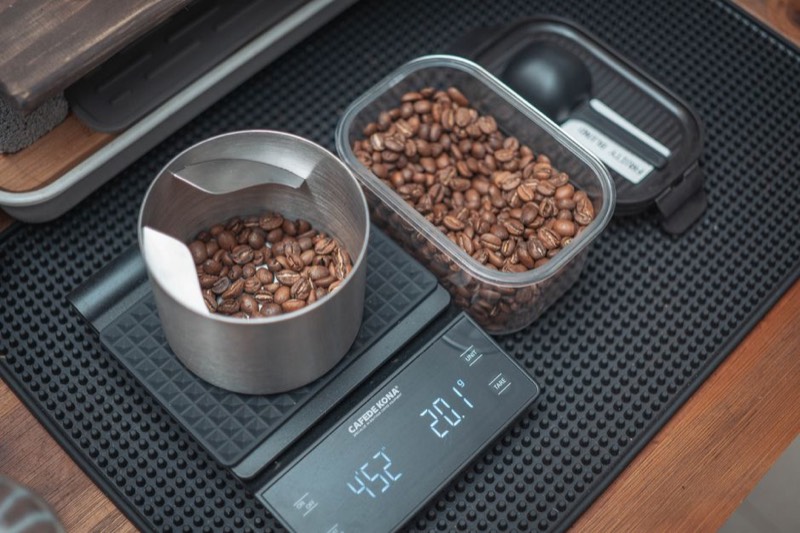
Order an espresso in Italy and you might get a ristretto without asking. Order one at a specialty shop in the U.S. and you'll get a regular shot. Order a lungo at either place and you'll get a completely different drink from the same beans, the same grinder, and the same machine. The only thing that changed is one number: the ratio of water to coffee.
Brew ratio is the most underrated variable in espresso. Home baristas obsess over grind size and dose but treat the ratio as fixed, usually defaulting to whatever their machine's pre-programmed button pours. That's a mistake. Ratio determines strength, body, sweetness, and bitterness more directly than almost any other variable you control. This guide breaks down exactly what 1:1.5, 1:2, and 1:3 mean, what each one does to flavor, and how to pull all three from the same dose of coffee so you can find the ratio that actually suits your beans.
Ratio Basics: What the Numbers Actually Mean
Brew ratio is the weight of liquid espresso in your cup divided by the weight of dry coffee grounds in the basket. It's written as dose to yield, like 1:2, meaning for every 1 gram of dry coffee, you get 2 grams of liquid espresso out.
An 18g dose (a standard fill for most 58mm baskets) pulled to a 36g yield is a 1:2 ratio. The same 18g dose pulled to 27g is 1:1.5. Pulled to 54g, it's 1:3. Same coffee, same grind starting point, three completely different drinks because you stopped the shot at different weights.
This matters because ratio controls extraction yield, the percentage of the dry coffee mass that actually dissolves into your cup. Coffee contains roughly 28 to 30 percent soluble material by weight. A well-extracted espresso captures 18 to 22 percent of that soluble material. Everything before that range tastes sour and thin (under-extracted). Everything after tastes bitter and harsh (over-extracted). Ratio is one of your primary levers for landing inside that window, alongside grind size and contact time.
The key insight: ratio and extraction percentage are not the same thing, but they're linked. A shorter ratio (1:1.5) with the same grind extracts less total soluble material in absolute terms but concentrates it in less water, producing high strength with potentially lower total extraction percentage. A longer ratio (1:3) pulls more total solubles but spreads them across more water, which can push extraction percentage higher, sometimes into over-extraction territory if the grind isn't adjusted to compensate.
1:1.5 Ristretto: The Concentrated Shot
Ristretto means "restricted" in Italian. Traditionally it referred to stopping the shot early, before the espresso started running clear and thin toward the end of the pour. Modern ristretto is more precisely defined by ratio: roughly 1:1 to 1:1.5, an 18g dose yielding 18 to 27g of espresso.
Ristretto pulls less total water through the same coffee dose in the same amount of time (or slightly less time, since less liquid needs to pass through). This concentrates the dissolved solids into a smaller volume, producing a thicker, syrupy mouthfeel and a more intense, less diluted flavor. Ristretto tends to taste sweeter and less bitter than a longer pull of the same beans, because you're capturing more of the early-extracting sugars and fewer of the late-extracting bitter compounds.
The tradeoff is total extraction. Because less water passes through the puck, ristretto typically pulls a lower percentage of the available solubles, even though what does dissolve is concentrated into less liquid. This means ristretto can taste under-extracted if your grind isn't adjusted finer to compensate for the shorter contact time. A 1:1.5 ratio pulled at the same grind you use for 1:2 will usually finish too fast and taste thin and sour, not concentrated and sweet.
When ristretto works best
Ristretto shines with medium to dark roasts that already have plenty of soluble sugar developed during roasting. The shorter extraction avoids pulling the harsher, more bitter compounds that dark roasts release later in the shot. It's also the preferred base for milk drinks in traditional Italian style, where the concentrated shot needs to punch through steamed milk without getting lost.
Ristretto struggles with very light roasts. Light roast beans are denser and need more water contact to fully develop their sweetness and balance their acidity. Pulling a light roast at 1:1.5 often tastes sharp, underdeveloped, and overly acidic because the shot didn't have enough contact time to round out the sour notes.
1:2 Regular Espresso: The Balanced Baseline
The 1:2 ratio is the modern specialty coffee default and the ratio most machines, recipes, and baristas mean when they say "espresso" without qualification. An 18g dose pulled to 36g of liquid espresso in roughly 25 to 32 seconds.
This ratio sits in the middle of the extraction curve for most medium roasts, typically landing in the 18 to 22 percent extraction yield range that tastes balanced without extensive dialing in. It's forgiving of small grind errors, produces a shot with body and sweetness without excessive concentration, and works as a strong base for both straight drinking and milk drinks.
The 1:2 ratio became the default largely because of the shift toward lighter, higher-quality single-origin beans over the last two decades. As specialty coffee culture moved away from dark, oily traditional Italian roasts toward lighter roasts that preserve origin character, baristas found that 1:2 (and often longer) extracted more of the complex flavor compounds that define a specific bean's terroir, compared to the tighter 1:1.5 ristretto ratios common in old-school Italian bars.
Why 1:2 is the right starting point for dialing in
If you only learn one ratio, learn this one. It's the safest baseline because it tolerates variance in dose weight, grind consistency, and tamping pressure better than either extreme. When you're troubleshooting a new bag of beans or a new grinder setting, starting at 1:2 gives you a stable reference point. Once a 1:2 shot tastes balanced, you can experiment with shortening toward ristretto or lengthening toward lungo based on how the specific bean responds.
1:3 Lungo: The Diluted, Tea-Like Pull
Lungo means "long" in Italian. An 18g dose pulled to 54g of liquid, roughly 1:3, takes considerably longer than a regular shot, often 40 to 55 seconds, because significantly more water needs to pass through the same puck.
Lungo extracts a higher percentage of the available solubles because of the extended water contact, but that increase doesn't always translate to a better cup. Past a certain point, the puck has already released its pleasant sugars and starts yielding bitter, astringent compounds that no amount of dilution can hide. A lungo pulled at the wrong grind tastes both bitter and watery at once, the worst combination in espresso, because over-extraction and dilution are happening simultaneously.
Done correctly, with a meaningfully coarser grind to slow the extraction rate and keep the shot from choking, lungo produces a lighter-bodied, tea-like cup that showcases high notes and acidity in light roasts. It's closer to a strong pour-over in character than to a traditional espresso, which is exactly why some baristas treat lungo as its own drink category rather than a variation of espresso.
The caffeine question
Lungo does extract marginally more total caffeine than a 1:2 shot from the same dose, since caffeine is one of the more water-soluble compounds in coffee and continues extracting throughout the pull. The increase is modest, typically in the 5 to 15 percent range depending on bean and grind, not the dramatic caffeine boost some cafe menus imply. The bigger practical difference is dilution and flavor character, not stimulant content.
When lungo works and when it doesn't
Lungo works best with light roasts that have dense, less-soluble structure and benefit from extended contact time to develop sweetness and reduce acidity. It's a poor match for dark roasts, which are already porous and soluble; extending contact time on a dark roast usually pulls straight into ashy, burnt bitterness with no upside.

Taste Profile Differences Side by Side
| Ratio | Dose/Yield (18g dose) | Typical Time | Mouthfeel | Best For |
|---|---|---|---|---|
| Ristretto (1:1.5) | 18g / 27g | 18-24 seconds | Syrupy, concentrated, thick | Medium-dark roasts, milk drinks |
| Regular (1:2) | 18g / 36g | 25-32 seconds | Balanced, full body | Most medium roasts, default starting point |
| Lungo (1:3) | 18g / 54g | 40-55 seconds | Light, tea-like, diluted | Light roasts, drinking black |
The mouthfeel differences aren't subtle once you taste them side by side. Ristretto coats the tongue and lingers. Regular espresso has weight and structure without being cloying. Lungo thins out noticeably, and if the grind wasn't adjusted, the thinning arrives alongside more bitterness rather than less, because the extra water pulled more harsh compounds along with it.
Sweetness follows a similar curve but isn't linear. Ristretto and regular espresso both capture the early-extracting sugars well. Lungo can taste sweeter than regular espresso if the grind is coarsened correctly, because it develops more of the caramelized sugars from a light roast's structure. But lungo pulled at the wrong grind skips past peak sweetness into bitterness, tasting worse on both strength and balance.
Dialing In Tips: How to Test All Three From the Same Bag
The fastest way to understand ratio is to pull all three from the same beans in one session, adjusting only grind and stop point between shots. Here's the process.
Step 1: Establish your 1:2 baseline first
Weigh 18g of coffee (or your basket's rated dose), tamp normally, and pull to a 36g yield. Taste it. This is your reference point. If it tastes sour, grind slightly finer before moving on. If it tastes bitter, grind slightly coarser. Don't proceed to ristretto or lungo until your 1:2 shot tastes reasonably balanced.
Step 2: Pull a ristretto with the same grind, then adjust
Using your dialed 1:2 grind setting, pull the same dose but stop the shot at 27g instead of 36g (a 1:1.5 ratio). Taste it. It will likely taste thinner and more sour than expected, because the same grind that worked for 1:2 doesn't offer enough resistance for the shorter ratio. Grind one or two steps finer and re-pull to 27g. The shot should tighten up, taste sweeter, and feel more syrupy.
Step 3: Pull a lungo with a coarser grind
Return to your baseline grind, then coarsen it by two to three steps. Pull the same 18g dose to a 54g yield (1:3 ratio). If it tastes bitter and thin at the same time, you didn't coarsen enough, the grind is still too fine for the extended contact time, and the puck is over-extracting well past peak flavor before it finishes filling the cup. Coarsen another step and re-pull. When dialed correctly, a lungo should taste lighter and brighter than your 1:2 baseline, not simply weaker.
Step 4: Compare all three side by side
Once you've dialed a grind that works for each ratio, pull all three back to back and taste them in sequence: ristretto, regular, lungo. Notice how the same beans express completely different character depending on how much water passed through. This comparison is the fastest way to figure out which ratio actually suits a specific bag of beans, rather than defaulting to whatever ratio you've always used out of habit.
Step 5: Log what worked
Write down the grind setting and yield that tasted best for each ratio with this specific bean. Roast level, origin, and freshness all shift the ideal ratio, so a log built over several bags becomes a genuinely useful reference instead of guesswork every time you open a new bag.
Matching Ratio to Roast Level
Ratio and roast level are connected because roast degree changes bean density and solubility. Darker roasts are more porous and release their solubles faster and more completely, so they need less water contact to reach full extraction. Lighter roasts are denser, less soluble, and need more water contact to develop sweetness and balance acidity.
- Light roasts (City, City+): start at 1:2.5, experiment up to 1:3. These beans usually taste sour and underdeveloped at 1:1.5 to 1:2 because they haven't had enough contact time to round out.
- Medium roasts (Full City): 1:2 is the reliable default. Some medium roasts also do well pushed slightly longer to 1:2.2 or 1:2.5 if they taste sharp at 1:2.
- Dark roasts (Vienna, French): stay at 1:1.5 to 1:2. These beans are already highly soluble and porous; anything past 1:2 tends to pull straight into ashy, burnt bitterness with no upside.
These are starting points based on typical bean structure, not fixed rules. Processing method also matters. Natural-processed coffees, which tend to carry more fruit sugars developed during drying, often handle shorter ratios better than washed coffees of the same roast level, because there's more soluble sweetness available early in the extraction.
Common Mistakes When Changing Ratio
Changing ratio without changing grind
This is the single most common error. Every ratio change shifts how much water contact the puck experiences, and grind size controls the resistance that determines how fast that water moves. Shortening the ratio without tightening the grind produces weak, sour shots. Lengthening the ratio without coarsening the grind produces bitter, over-extracted shots. Ratio and grind move together, not independently.
Judging lungo by regular-shot standards
A correctly pulled lungo is supposed to taste lighter and more diluted than a regular shot. That's the point. Judging it against a 1:2 shot's body and intensity will always make it seem like a failure. Taste it as its own drink category, closer to a strong filter coffee than a traditional espresso.
Assuming ristretto always means "stronger"
Ristretto tastes more concentrated because the same dissolved solids sit in less liquid, but it doesn't extract more total soluble material, and it delivers slightly less total caffeine than a longer pull of the same dose. Concentration and total extraction are different things. Don't confuse a syrupy mouthfeel with "more coffee."
Using one ratio for every bean regardless of roast
Sticking rigidly to 1:2 for every bag, regardless of whether it's a light single-origin or a dark blend, means you're leaving flavor on the table for beans that would taste better shorter or longer. The ratio should follow the bean's structure, not the other way around.
The Bottom Line
Ristretto, regular espresso, and lungo aren't three different drinks made with different beans or different machines. They're the same coffee at three different points along the extraction curve, defined entirely by how much water you let pass through the same dose. Ratio changes concentration, extraction percentage, mouthfeel, and flavor balance more directly than almost any other variable in your control.
Start at 1:2 to establish a baseline. Move shorter toward ristretto for medium-dark roasts and milk drinks. Move longer toward lungo for light roasts you want to drink black. Adjust grind every time you change ratio, since the two are never independent. Taste each result before deciding whether to push further in either direction.
Quick Reference Checklist
- Ratio is dose-to-yield weight, not a fixed volume or time
- 1:1.5 ristretto: concentrated, syrupy, best with medium-dark roasts
- 1:2 regular: balanced default, most forgiving starting point
- 1:3 lungo: diluted, tea-like, best with light roasts
- Grind finer for shorter ratios, coarser for longer ratios
- Ristretto concentrates flavor but yields slightly less total caffeine than longer pulls
- Lungo extracts marginally more caffeine but risks bitterness if grind isn't coarsened
- Judge lungo as its own drink category, not a weak espresso
- Match ratio to roast level and processing method, not habit
- Log grind and yield that worked per bean for future reference
Related Reading
If you're still working out the fundamentals of dose, yield, and grind before experimenting with ratio, start with our guide to dialing in espresso, which covers the basic recipe and workflow in detail. If your shots taste sour or bitter regardless of ratio, our guide to fixing sour and bitter espresso walks through grind and extraction troubleshooting. And if you're chasing a specific pull time instead of tasting your way to the right ratio, our piece on why the 25-30 second rule is outdated explains why time should confirm your ratio, not dictate it.
Frequently Asked Questions
What is the difference between ristretto, regular espresso, and lungo?
The difference is brew ratio, the weight of liquid espresso divided by the weight of dry coffee. Ristretto is roughly 1:1.5 (18g in, 27g out), regular espresso is 1:2 (18g in, 36g out), and lungo is 1:3 (18g in, 54g out). Same dose, same grind starting point, different amount of water passed through the puck. Ristretto is more concentrated and syrupy, lungo is more diluted and tea-like, regular espresso sits in the middle.
Is ristretto stronger than regular espresso?
Ristretto has a higher concentration of dissolved solids per milliliter because less water passed through the same dose, so it tastes more intense and syrupy. But total caffeine extracted is actually lower than a regular or lungo shot from the same dose, because caffeine keeps extracting as more water flows through the puck. Ristretto feels stronger but delivers slightly less caffeine than a longer pull of the same coffee.
Does lungo have more caffeine than a regular shot?
Yes, marginally. A lungo (1:3) pulls more total water through the same dose of coffee than a regular shot (1:2), which extracts a slightly higher percentage of the available caffeine. The difference is small, typically 5 to 15 percent more caffeine in the lungo, but the larger volume also dilutes the flavor and can pull more bitter compounds if the grind isn't adjusted.
Can I use the same grind size for ristretto, regular, and lungo?
No, not if you want each ratio to taste balanced. A finer grind slows the flow and works best for ristretto's shorter ratio. A coarser grind speeds the flow and suits lungo's longer ratio. Using one grind setting across all three ratios usually makes ristretto taste under-extracted and sour, or makes lungo taste over-extracted and bitter, because you changed the water volume without changing the resistance to match.
What ratio should a beginner start with?
Start with 1:2, an 18g dose pulled to 36g of espresso. It's the most forgiving ratio, tolerates small grind errors without tasting extreme, and gives you a baseline to compare against once you try ristretto and lungo. Once your 1:2 shot tastes balanced and sweet, experiment with 1:1.5 for a punchier shot or 1:2.5 to 1:3 if your beans are lighter roasted and taste better with more water contact.
Why does my lungo taste bitter and watery at the same time?
This is the classic lungo failure mode: over-extraction and dilution happening together. It means the grind is too fine for the extra water volume, so the puck keeps yielding bitter compounds well past the point where flavor peaked, while the added water simultaneously dilutes the cup. The fix is grinding noticeably coarser before pulling a lungo, not just running your regular-shot grind for longer.