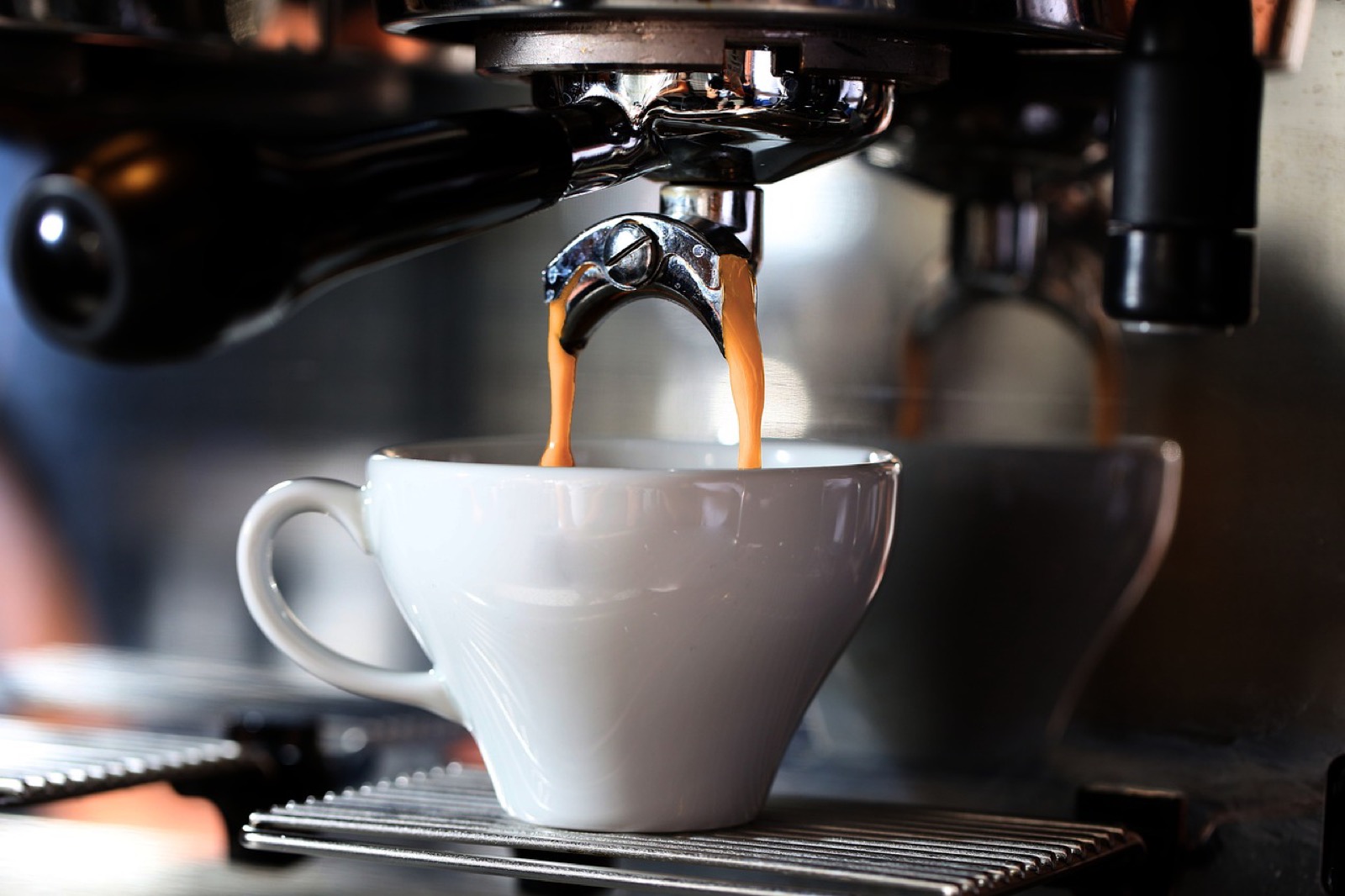
Why Does My Espresso Taste Sour?
By the EspressoSnob Team | Published March 18, 2026 | 12 min read
Sour espresso is frustrating, but it's also one of the most common problems beginners face. The good news: it's fixable once you understand what causes it. This guide walks through the science of under-extraction, how to diagnose the specific issue with your setup, and exactly what to adjust to get balanced, sweet espresso.
Affiliate Disclosure: EspressoSnob participates in the Amazon Services LLC Associates Program. We earn commissions from qualifying purchases through our Amazon links at no extra cost to you. We recommend products based on specifications, performance, and value, not commission rates.
Quick Picks: Gear That Fixes Sour Shots Fast
| Product | Why It Helps | Best For | |
|---|---|---|---|
| DF64 Gen 2 | Stepless fine-grind dial-in, zero retention | Budget single-dose grinding | Check Price on Amazon |
| Baratza Sette 30 | 30 macro steps plus micro adjustment for espresso-fine grinds | Reliable stepped dial-in | Check Price on Amazon |
| WDT Distribution Tool | Breaks up clumps that cause channeling and sour spots | Anyone hand-tamping | Check Price on Amazon |
Table of Contents
- What Does Sour Espresso Taste Like?
- Understanding Under-Extraction
- The Three Main Causes of Sour Espresso
- Grind Size Is Usually the Problem
- Water Temperature and Extraction
- Shot Time and Contact Duration
- Channeling Creates Sour Spots
- How to Diagnose Your Specific Issue
- Step-by-Step Fixes for Sour Espresso
- Does Equipment Quality Matter?
- Advanced Troubleshooting
- Frequently Asked Questions
What Does Sour Espresso Taste Like?
Sour espresso has a sharp, acidic, sometimes vinegar-like taste that makes your mouth pucker. It's not pleasant acidity like you find in high-quality light roasts - it's aggressive, unbalanced, and one-dimensional. Your tongue detects it immediately on the sides and front, and the taste lingers uncomfortably.
Good acidity in espresso is bright, fruity, and balanced by sweetness and body. Sour espresso lacks that balance. The acids dominate because the sugars and balancing compounds haven't been extracted yet. If your first thought after tasting a shot is "that's way too acidic," you're dealing with under-extraction.
Some beginners confuse sourness with bitterness, but they're opposites. Sourness means you didn't extract enough. Bitterness means you extracted too much. Learning to distinguish between them is essential for dialing in espresso correctly.
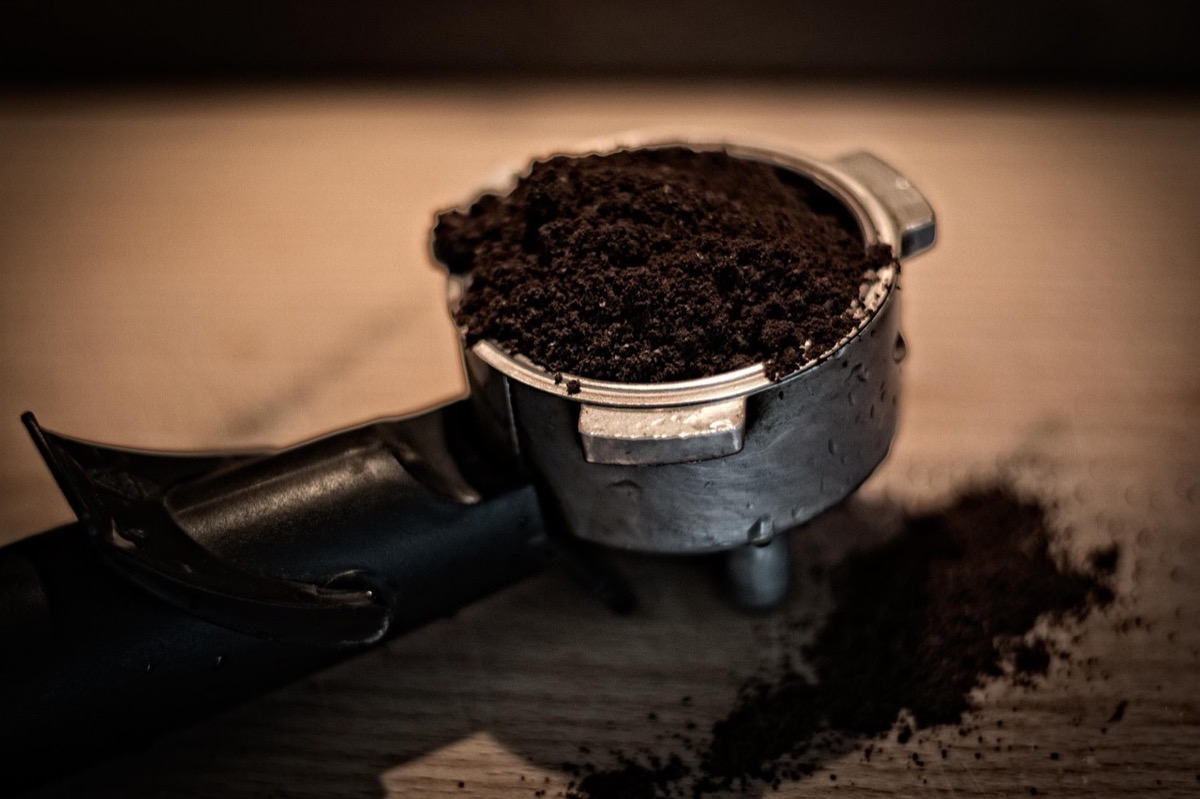
Understanding Under-Extraction
Extraction is the process of dissolving soluble compounds from coffee grounds into water. When water passes through ground coffee, it extracts hundreds of different compounds in a specific order:
- First: Acids and light, fruity flavors (extracted quickly)
- Second: Sugars, caramels, and body (extracted with more time/contact)
- Third: Bitter compounds like caffeine and tannins (extracted last)
Under-extraction happens when water doesn't spend enough time in contact with the coffee, or when conditions prevent proper dissolution of soluble compounds. You get the acids, but not the sugars or body that balance them. The result is a sour, thin, unpleasant shot.
Over-extraction is the opposite - water stays in contact too long or conditions extract too aggressively. You get bitterness, astringency, and harshness because the bitter compounds are over-represented. Dialing in espresso is finding the sweet spot between under- and over-extraction.
The ideal extraction for espresso is somewhere between 18% and 22% by weight. Below 18%, the shot will taste sour. Above 22%, it will taste bitter. Most home baristas don't measure extraction percentages - they just taste the shot and adjust based on flavor. If it's sour, you need more extraction. If it's bitter, you need less.
The Three Main Causes of Sour Espresso
Sour espresso almost always comes down to one of three issues, or a combination of them:
1. Grind Size Too Coarse
This is the most common cause. When coffee is ground too coarse, water flows through the puck too quickly. There isn't enough surface area for proper extraction, and the contact time is too short. The result is under-extraction and sourness.
Coarse grinds look like coarse sand or ground pepper. For espresso, you need fine grinds that feel like table salt or slightly finer. The finer the grind, the more surface area water has to extract from, and the slower water flows through the puck.
2. Water Temperature Too Low
Hot water dissolves soluble compounds more efficiently than cooler water. If your machine's water temperature is below 195°F, you'll struggle to extract enough to balance the acids. The ideal brewing temperature for espresso is 200-203°F.
Some budget machines have fixed temperatures that run cool. If your machine doesn't allow temperature adjustment and you've already ground as fine as possible without channeling, you might be dealing with a machine limitation.
3. Shot Time Too Short
Even with the right grind and temperature, if water doesn't spend enough time in contact with the coffee, you'll under-extract. A standard double shot should take 25-30 seconds from the moment you start the pump. Shots that finish in 15-20 seconds are almost always sour.
Short shot times usually indicate a grind that's too coarse, but they can also result from low dose (not enough coffee in the basket), insufficient tamping pressure, or channeling.
Grind Size Is Usually the Problem
If you're new to espresso and your shots taste sour, the first thing to check is grind size. Grinding too coarse is the most common beginner mistake because most people start with grinds that are too coarse and work their way finer, rather than starting fine and adjusting coarser.
Espresso requires a very fine grind - finer than most people expect. The grind should feel like fine table salt or slightly finer when you rub it between your fingers. It should not look like ground pepper or coarse sand. If you can see individual particles clearly, it's too coarse.
A quality burr grinder with stepless adjustment is essential here. Blade grinders and low-quality burr grinders can't produce the uniform fine grind espresso requires. If you're using a blade grinder, that's likely your issue. We have a detailed guide on choosing the best espresso grinder that covers exactly what to look for.
How to Adjust Grind Size
Make small adjustments. If you're using a stepless grinder, move the adjustment collar or dial by tiny increments - think microns, not millimeters. Grind a fresh dose, pull a shot, taste it, and adjust again if needed.
If you're using a stepped grinder, move one step finer at a time. Don't jump multiple steps at once - espresso is sensitive to small changes.
Keep notes. Write down your grinder setting for each shot and how it tasted. Over time you'll build a reference for your specific beans and machine.
Signs Your Grind Is Too Coarse
- Shot finishes in under 20 seconds
- Flow is fast and looks watery or blonde from the start
- Espresso tastes sour, thin, and lacks body
- Puck is wet and muddy after extraction (not cohesive)
Signs Your Grind Is Too Fine
- Shot takes longer than 40 seconds or stalls completely
- Flow is slow, drips, or comes out in separate streams (channeling)
- Espresso tastes bitter, astringent, or ashy
- Puck is dry and cracks when you knock it out
Water Temperature and Extraction
Water temperature is the second most important variable after grind size. The hotter the water, the more efficiently it extracts soluble compounds from coffee. Too cold, and you under-extract (sour). Too hot, and you over-extract (bitter).
The ideal brewing temperature for espresso is 200-203°F (93-95°C). Most quality espresso machines brew in this range. Budget machines often brew cooler, sometimes as low as 190-195°F, which makes achieving balanced extraction harder.
How to Check Your Machine's Temperature
Most home machines don't display water temperature. If yours does, great - set it to 200-202°F and start there. If it doesn't, you can estimate by taste and shot behavior:
- Sour, thin, acidic shots suggest low temperature (under 195°F)
- Balanced, sweet shots suggest proper temperature (200-203°F)
- Bitter, astringent shots suggest high temperature (above 205°F)
Some machines allow temperature adjustment via a PID controller (Proportional-Integral-Derivative controller) that lets you set precise brewing temperatures. If your machine has this feature, start at 201°F and adjust in 1-2 degree increments based on taste.
What If Your Machine Has Fixed Temperature?
Many budget machines have fixed temperatures you can't adjust. If your machine brews cool and you're already grinding as fine as possible without causing channeling, you have three options:
- Run a blank shot first to heat up the group head before pulling your real shot
- Preheat your portafilter by running hot water through it or leaving it locked in the group head
- Accept the limitation and work within your machine's capabilities, or upgrade to a machine with PID temperature control
Shot Time and Contact Duration
Shot time is how long water is in contact with the coffee. For a standard double shot (18-20 grams of coffee yielding 36-40 grams of liquid espresso), the ideal shot time is 25-30 seconds from the moment you start the pump.
Shot time is a guideline, not a rule. Some coffees extract well at 22 seconds, others need 32 seconds. But if your shots consistently finish in under 20 seconds, they're almost certainly under-extracted and sour. If they take longer than 35 seconds, they risk over-extraction and bitterness.
Why Shot Time Matters
Extraction is a function of time, temperature, and surface area. Even with the right grind and temperature, if water doesn't spend enough time in contact with the coffee, you won't extract the sugars and body that balance the acids.
Fast shots (under 20 seconds) don't give water time to dissolve the compounds you need. The espresso comes out sour, thin, and unbalanced. Slow shots (over 35 seconds) give water too much time, extracting bitter tannins and astringent compounds.
How to Control Shot Time
Shot time is primarily controlled by grind size. Finer grinds slow down flow and extend shot time. Coarser grinds speed up flow and shorten shot time. This is why grind size is the first thing you adjust when dialing in.
Other factors that affect shot time:
- Dose: More coffee in the basket slows flow, less coffee speeds it up
- Tamping pressure: Firmer tamping compacts the puck more, slowing flow slightly
- Distribution: Uneven distribution creates channeling, which speeds up flow
- Basket size: Using the wrong basket for your dose can affect flow
Channeling Creates Sour Spots
Channeling occurs when water finds a path of least resistance through the coffee puck instead of flowing evenly through all the grounds. This happens when the puck has cracks, gaps, or areas of uneven density. Water rushes through the channels, under-extracting the coffee it bypasses and over-extracting the coffee in the channel.
The result is an unbalanced shot - often sour because most of the puck was under-extracted, but sometimes bitter or astringent in spots where the channel over-extracted. Channeling is visible when you watch the shot: instead of a smooth, even stream from the portafilter spouts, you'll see spurting, spraying, or separate streams.
What Causes Channeling?
- Poor distribution: Coffee clumps or uneven distribution before tamping
- Uneven tamping: Tamping at an angle or with inconsistent pressure
- Grind too fine: Excessive pressure causes cracks in the puck
- Grind quality: Poor burr quality produces uneven particles (fines and boulders)
- Worn baskets: Old or damaged baskets with bent edges
How to Prevent Channeling
Good puck preparation prevents most channeling issues:
- Distribute evenly: Use a distribution tool (WDT tool) or tap the portafilter sides to settle grounds evenly
- Tamp level: Use a level tamper and apply consistent downward pressure
- Use fresh beans: Stale coffee loses structure and doesn't form a cohesive puck
- Clean your basket: Old coffee oils clog basket holes and cause uneven flow
If you're doing everything right and still getting channeling, your grinder might be the issue. Cheap grinders produce uneven particle sizes - a mix of fine powder (fines) and larger chunks (boulders). This makes it nearly impossible to get even extraction. A quality burr grinder with consistent particle size distribution solves this.
How to Diagnose Your Specific Issue
Sour espresso can have multiple causes. Here's how to diagnose which variable is causing your problem:
Step 1: Check Your Shot Time
Pull a shot and time it from when you start the pump to when you stop. Aim for 25-30 seconds for a double shot (18g in, 36-40g out).
- Under 20 seconds: Your grind is definitely too coarse. This is your primary issue.
- 20-25 seconds: Your grind might be slightly coarse, or your temperature might be low.
- 25-30 seconds: Your shot time is good. The issue is likely temperature or grind quality.
- Over 30 seconds: Your grind might be too fine. If the shot is still sour, you have a temperature or channeling issue.
Step 2: Taste the Shot
Taste is the ultimate diagnostic tool. Don't just taste the final mixed shot - taste it at different stages:
- First few drops (crema): Should be rich, thick, slightly bitter
- Middle of the shot: Should be sweet, balanced, with good body
- Last few drops (blonde): Should be thin, lighter, but not overly sour
If the entire shot from start to finish is sour, you have significant under-extraction. If only the end is sour, you're close and need minor adjustments.
Step 3: Inspect the Puck
After you pull the shot, knock out the puck and inspect it:
- Wet, muddy, and falls apart: Under-extraction from coarse grind or fast shot
- Cohesive, intact, slightly damp: Good extraction
- Dry, cracked, or powdery: Over-extraction or channeling from too fine grind
- Cracks or holes visible: Channeling - check your distribution and tamping
Step 4: Watch the Flow
Watch the espresso come out of the portafilter spouts:
- Smooth, even, honey-like flow: Good extraction
- Fast, thin, watery flow: Under-extraction from coarse grind
- Drips, spurts, or sprays: Channeling
- Slow drip or no flow: Grind too fine or basket clogged
Step-by-Step Fixes for Sour Espresso
Now that you've diagnosed the issue, here's how to fix it. Work through these steps in order, making one change at a time.
Fix 1: Grind Finer
This fixes 90% of sour espresso issues. Adjust your grinder one small step finer. Pull a shot. Taste it. If it's still sour, grind finer again. Repeat until the sourness disappears.
Don't grind so fine that the shot stalls or takes longer than 35 seconds. If you hit that point and the shot is still sour, move to the next fix.
Fix 2: Increase Water Temperature
If your machine allows temperature adjustment, increase it by 2-3°F. Pull a shot. Taste it. If it's better but still slightly sour, increase another 2°F. Stop if you start getting bitterness.
If your machine has fixed temperature, try running a blank shot before pulling your real shot to preheat the group head. This can raise the effective brewing temperature by a few degrees.
Fix 3: Increase Your Dose
If grinding finer and raising temperature haven't solved the issue, try increasing your dose slightly. If you're using 18g of coffee, try 19g or 20g. More coffee slows down flow and extends contact time, increasing extraction.
Keep your ratio consistent - if you're going for a 1:2 ratio (18g in, 36g out), maintain that ratio when you increase dose (20g in, 40g out).
Fix 4: Improve Your Puck Preparation
If you're still getting sour spots or uneven flavor, channeling might be the issue. Focus on distribution and tamping:
- Use a WDT (Weiss Distribution Technique) tool to break up clumps and distribute evenly
- Tap the portafilter sides gently to settle grounds before tamping
- Tamp level with consistent pressure (30 lbs is standard)
- Clean your basket and group head gasket regularly
Fix 5: Check Your Beans
Stale beans are harder to extract and more prone to sourness. Coffee loses flavor and structure starting about two weeks after roasting. If your beans are more than a month old, that might be contributing to under-extraction.
Also, lighter roasts are more acidic by nature and require more precise dialing-in to avoid sourness. If you're new to espresso, start with a medium roast - it's more forgiving.
Does Equipment Quality Matter?
Yes, but not as much as technique. A skilled barista can pull decent espresso from budget equipment. A beginner can pull terrible espresso from premium equipment. That said, equipment quality does set limits on what's possible.
Grinder Quality
Your grinder is more important than your espresso machine. A $300 machine with a $400 grinder will produce better espresso than a $700 machine with a $150 grinder.
Cheap grinders produce uneven particle sizes - a mix of fine powder (fines) and larger chunks (boulders). This makes even extraction nearly impossible. You'll chase sour shots forever because some parts of the puck under-extract while others over-extract.
A quality burr grinder with stepless adjustment and consistent particle size distribution is the single most important equipment upgrade you can make. Our best espresso grinder guide covers exactly what to look for and which models deliver the best value.
Machine Temperature Stability
Budget machines often have inconsistent or low brewing temperatures. If your machine brews at 190-195°F with no way to adjust it, you'll struggle to extract properly no matter how good your grinder is.
Machines with PID temperature control let you set and maintain precise brewing temperatures. This gives you the control needed to dial in challenging coffees and avoid under-extraction.
When to Upgrade
If you've ground as fine as your grinder allows, preheated everything, and followed perfect technique but still can't get rid of sourness, your equipment might be the limiting factor. In that case, upgrading your grinder (first) or machine (second) makes sense.
Advanced Troubleshooting
If you've tried everything above and your espresso is still sour, here are some less common issues to investigate:
Water Quality
Extremely soft water (low mineral content) extracts poorly. Minerals in water help with extraction. If you're using distilled or reverse osmosis water, that might be contributing to under-extraction. Try using filtered tap water or add mineral packets designed for espresso.
Pressure Issues
Espresso machines should brew at 9 bars of pressure. If your machine has low pressure (7 bars or less), it won't extract properly no matter what you do. Some machines allow pressure adjustment via an OPV (over-pressure valve). If yours does, set it to 9 bars.
Basket and Portafilter Issues
Using the wrong basket size for your dose can cause issues. An 18g basket should hold 16-20g of coffee. If you're using 18g in a 20g basket, the puck might be too shallow and allow channeling. Match your basket size to your dose.
Also, pressurized baskets (the kind with a single hole and a spring mechanism) are designed for pre-ground coffee and don't allow proper espresso extraction. If you're using a pressurized basket, switch to a standard unpressurized basket.
Machine Maintenance
Dirty group heads, clogged baskets, and worn gaskets can all affect flow and extraction. Clean your machine regularly:
- Backflush the group head weekly with cleaning detergent
- Clean baskets daily, soak weekly
- Replace the group gasket when it gets hard or cracked
- Descale your machine every 3-6 months depending on water hardness
Frequently Asked Questions
Why does my espresso taste sour?
Sour espresso is almost always caused by under-extraction. Under-extraction happens when hot water doesn't spend enough time in contact with the coffee grounds, or when the grind is too coarse, or when the water temperature is too low. The result is that acids are extracted but the balancing sugars and bitter compounds are not, creating a sharp, acidic, sour taste.
How do I fix sour espresso?
To fix sour espresso, start by grinding finer. A finer grind increases extraction by giving water more surface area to work with. If grinding finer doesn't work, increase water temperature by 2-3 degrees Fahrenheit or extend your shot time by adjusting dose or pressure. Make one change at a time and taste the result before making another adjustment.
What grind size should I use for espresso?
Espresso grind should feel like fine table salt or slightly finer. If your grind looks like sand or ground pepper, it's too coarse and will cause under-extraction. If it clumps like flour, it's too fine and will cause over-extraction and channeling. Start finer than you think and adjust from there. A quality burr grinder with stepless adjustment makes dialing in much easier.
Can water temperature cause sour espresso?
Yes. Water temperature below 195°F typically under-extracts coffee, resulting in sour, acidic shots. The ideal espresso brewing temperature is 200-203°F. If your machine allows temperature adjustment, try increasing it by 2-3 degrees and taste the difference. Some budget machines have fixed temperatures that run too cool, making it harder to achieve balanced extraction.
How long should an espresso shot take?
A standard double shot (18-20 grams of coffee yielding 36-40 grams of liquid espresso) should take 25-30 seconds from the moment you start the pump. Shots that finish faster than 20 seconds are almost always under-extracted and taste sour. Shots longer than 35 seconds risk over-extraction and bitterness, though this depends on the coffee and your grinder.
What is channeling and how does it cause sour espresso?
Channeling occurs when water finds a path of least resistance through the coffee puck, flowing quickly through cracks or gaps instead of evenly through all the grounds. This causes uneven extraction where some coffee is over-extracted and some is under-extracted. The result is often a sour, unbalanced shot. Proper distribution, tamping, and grind quality prevent channeling.
Should I adjust grind size or temperature first when fixing sour espresso?
Always adjust grind size first. Grind size has the biggest impact on extraction and is the easiest variable to control. Grind finer in small increments until the sourness disappears. Only adjust temperature if grinding finer causes channeling or doesn't resolve the sourness. Making multiple changes at once makes it impossible to know what worked.
Can old coffee beans cause sour espresso?
Yes. Stale coffee loses structure and becomes harder to extract, making under-extraction and sourness more likely. Coffee is best within 2-4 weeks of the roast date. If your beans are more than a month old, they might be contributing to sourness. Fresh beans extract more easily and produce sweeter, more balanced espresso.
Is sour espresso the same as acidic espresso?
No. Good acidity is bright, fruity, and balanced by sweetness. It's a positive quality in high-quality light roasts. Sour espresso is unbalanced, sharp, and unpleasant - more like vinegar than fruit. Sourness indicates under-extraction, while pleasant acidity is part of the coffee's natural flavor profile.
Why is my espresso sour even though my shot time is 30 seconds?
If your shot time is correct but the espresso is still sour, you likely have channeling (water flowing unevenly through the puck), low water temperature (below 195°F), or poor grind quality (lots of fines and boulders). Check your puck preparation, increase temperature if possible, and consider upgrading your grinder if it's a budget model.
Summary
Sour espresso is caused by under-extraction - not enough time, temperature, or surface area for water to extract the balancing sugars and body that offset the natural acids in coffee. The fix is almost always grinding finer, but water temperature and shot time also play important roles.
Start by grinding finer in small increments. If that doesn't work, increase water temperature or extend contact time by increasing your dose. Make one change at a time, taste the result, and adjust accordingly. Good puck preparation prevents channeling, which causes uneven extraction and sour spots.
Equipment matters - especially your grinder. A quality burr grinder with consistent particle size distribution makes dialing in dramatically easier. If you're chasing sour shots with perfect technique, your grinder might be the limiting factor.
Dialing in espresso is a skill that takes practice. Don't get discouraged if your first few shots are sour. Follow the diagnostic steps above, make small adjustments, and you'll get there.
Affiliate Disclosure: EspressoSnob participates in the Amazon Services LLC Associates Program, an affiliate advertising program designed to provide a means for sites to earn commissions by linking to Amazon.com. We earn commissions from qualifying purchases made through our Amazon links at no additional cost to you. These commissions support our research, testing, and content creation. We recommend products based on specifications, performance, and value, not commission rates.
Photos provided by Pexels.