Affiliate Disclosure: EspressoSnob participates in the Amazon Services LLC Associates Program. We earn commissions from qualifying purchases through our Amazon links at no extra cost to you. We recommend products based on specifications, performance, and value, not commission rates.
The DF64 Gen 2 vs Eureka Mignon Specialita debate runs hot on r/espresso. Both are flat-burr grinders in the $400-$500 range. Both produce excellent espresso. And both attract loyal fans who will argue the other choice is wrong.
They are not interchangeable. The DF64 and the Specialita solve different problems. Pick the wrong one for your workflow and you will be frustrated with a $400 grinder that technically performs great but feels wrong every morning. Pick the right one and your daily coffee ritual gets dramatically better.
This comparison breaks down what actually matters: burr size and grind quality, retention and workflow, noise, durability, and upgrade potential. The verdict is clear - but it depends entirely on how you use your grinder.
Quick Picks: DF64 Gen 2 vs Eureka Mignon Specialita
| Grinder | Burr Size | Retention | Best For | Price | Buy |
|---|---|---|---|---|---|
| DF64 Gen 2 | 64mm flat | 0.3g | Single-dosing, bean variety, upgraders | ~$399 | Check Price on Amazon |
| Eureka Mignon Specialita | 55mm flat | 0.8g | Daily hopper use, noise-sensitive homes, simplicity | ~$449 | Check Price on Amazon |
| DF64 Gen 2 + SSP Burrs | 64mm flat SSP | 0.3g | Best-in-class performance under $700 | ~$584 | Check Price on Amazon |
| Eureka Mignon Filtro | 55mm flat | 0.8g | Filter + espresso dual use, budget Mignon | ~$379 | Check Price on Amazon |
Specs Head-to-Head
| Specification | DF64 Gen 2 | Eureka Mignon Specialita |
|---|---|---|
| Burr Size | 64mm flat | 55mm flat |
| Burr Material | Steel (SSP-upgradeable) | Steel |
| Grind Adjustment | Stepless | Stepless |
| Retention | ~0.3g | ~0.8g |
| Single Dose Design | Yes (native) | No (hopper-fed) |
| Hopper Capacity | 50g | 300g |
| Motor Power | 250W | 310W |
| Motor Speed | 1400 RPM | 1350 RPM |
| Sound Dampening | None | Built-in acoustic insulation |
| ACE Dosing Timer | No | Yes |
| Upgrade Path | Accepts SSP, Mazzer, DLC burrs | No aftermarket burr options |
| Weight | 8.2 kg | 5.6 kg |
| MSRP | ~$399 | ~$449 |
Burr Size: 64mm vs 55mm - Why It Matters
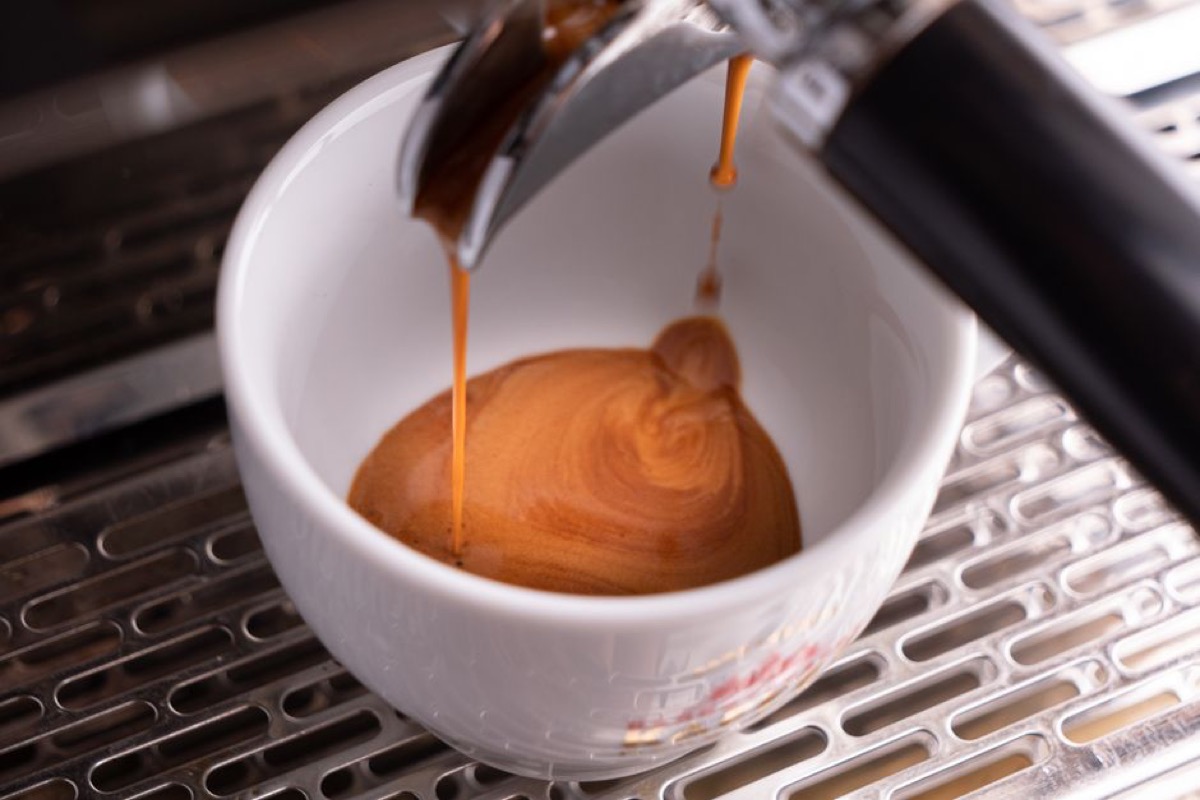
The 9mm difference in burr diameter is not trivial. Larger burrs create a wider grinding surface, which means each bean particle spends more time being cut rather than crushed. The result: a more uniform particle size distribution, which translates directly to more even espresso extraction.
The DF64's 64mm burrs are genuinely large for this price tier. Most grinders at $400 run 40-48mm conical burrs or 50-54mm flat burrs. Getting 64mm flat burrs under $400 was not possible three years ago - the DF64 changed the market.
Does the Specialita's 55mm burrs produce bad espresso? Absolutely not. At 55mm, Eureka has refined their burr geometry over many product generations. The Specialita produces espresso that most people cannot distinguish from a more expensive grinder in a blind taste test. The 64mm advantage shows up most clearly in back-to-back extraction tests or when you are pushing into very fine grind territory for ristretto pulls.
Verdict on burrs: DF64 Gen 2 wins on raw grind consistency. The gap is real but not dramatic in everyday use. The Specialita's 55mm burrs are fully capable for excellent home espresso.
Retention: 0.3g vs 0.8g and Why Single Dosers Care
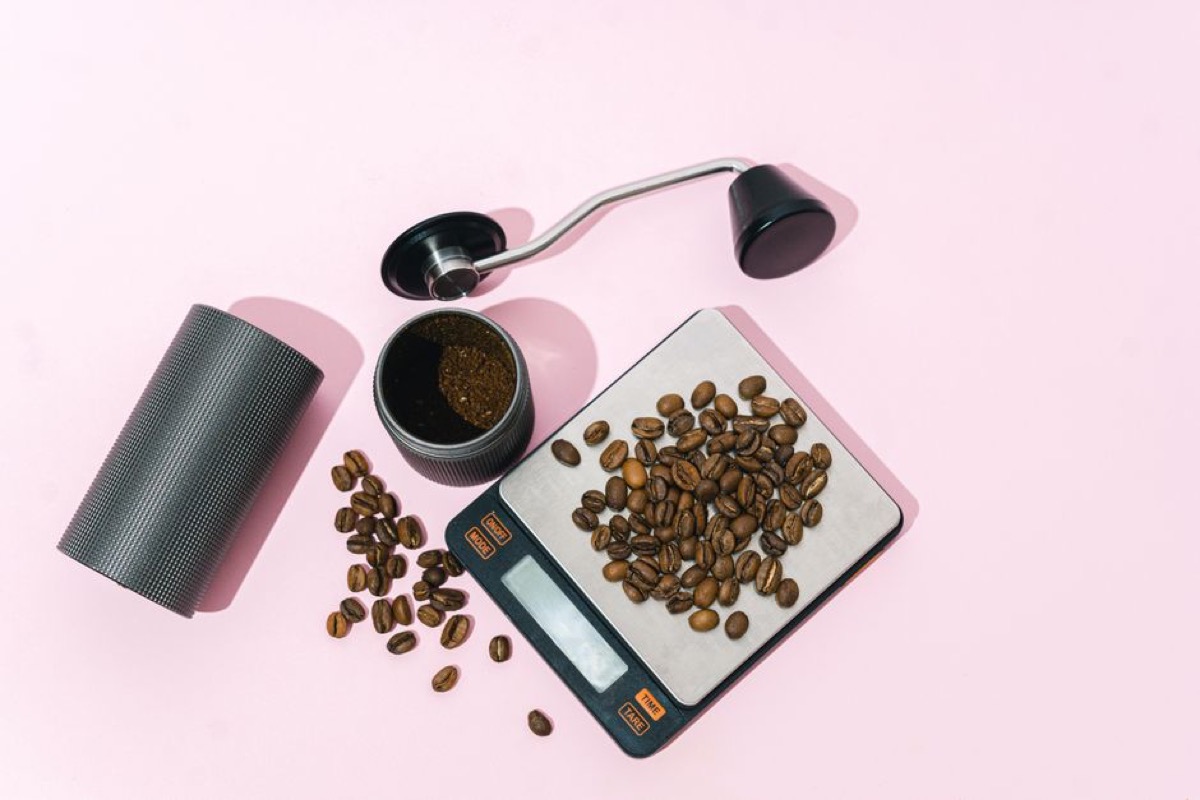
Grinder retention is the amount of coffee left inside the grinder between doses. It matters for two reasons: accuracy and freshness.
Accuracy: If your grinder retains 0.8g, and you weigh in 18g, you get roughly 18.8g ground (last dose's retained grounds come through with this dose, and 0.8g of today's dose stays behind). Your actual dose is off, and it shifts with each grind. The DF64's 0.3g retention is close enough to zero that dose-in equals dose-out for practical purposes.
Freshness: Retained grounds go stale. If you grind Monday morning, 0.8g stays behind. Tuesday morning, that day-old coffee grinds out first into your portafilter. For single-origin or light-roast espresso where flavor nuance matters, stale retained grounds dilute the quality you paid for.
The Eureka Mignon Specialita was designed for hopper-fed workflow - you load 300g of beans and grind dose by dose. That workflow makes the 0.8g retention essentially irrelevant because you are using the same beans continuously. It only becomes a problem when you switch beans frequently or care deeply about dose precision.
The DF64 Gen 2 is a native single-dose grinder. It includes a bellows puffer to blow out residual grounds after each dose. The 50g hopper is sized to hold a single dose with a bit of room - not designed for bulk loading. Every workflow decision was made around grinding one dose at a time.
Verdict on retention: DF64 Gen 2 wins clearly if you single-dose or rotate beans. Specialita wins if you run the same beans through a hopper on a schedule.
Noise: The Eureka Mignon Advantage
The Eureka Mignon Specialita is one of the quietest espresso grinders in its price range. Eureka builds acoustic sound-dampening insulation directly into the grinder chassis. The motor and burr set are mounted in a way that isolates vibration from the housing. The result is a grinder you can run at 6 AM without waking a partner, roommate, or anyone sleeping within earshot.
The DF64 Gen 2 runs its 250W motor and 64mm burrs without acoustic insulation. It is not painfully loud, but it is unmistakably louder than the Specialita. In measurements from the espresso community, the Specialita runs roughly 10-15 dB quieter than the DF64 - enough to notice in a home environment.
If you live in an apartment, share your home, or are particular about morning noise, the Specialita's acoustic engineering is a genuine differentiator worth the price premium.
Daily Workflow: Which Grinder Is Easier to Live With?
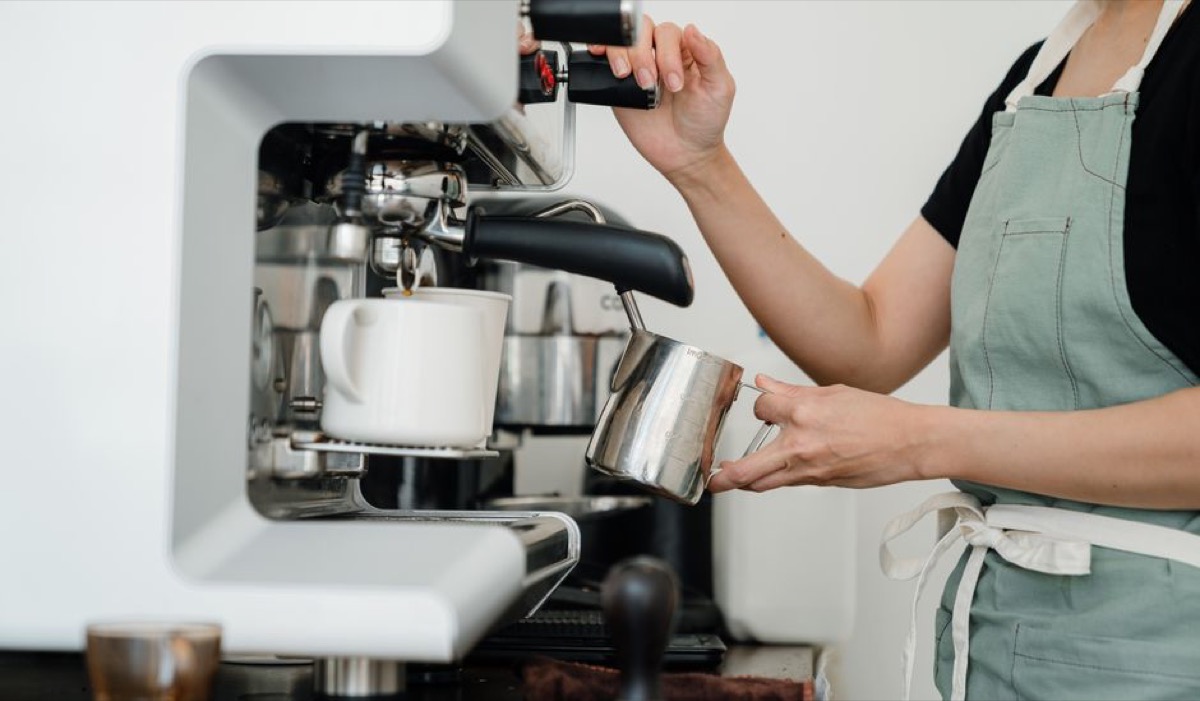
This is where the philosophical difference between these grinders becomes daily friction or daily delight.
Eureka Mignon Specialita Workflow
Load the 300g hopper once every few days. Dial in your grind setting once. Press the ACE timer button. Ground coffee drops directly into the portafilter. Done. The Specialita is designed to be fast, consistent, and minimal in steps. It is the grinder for people who want great espresso without managing the workflow as a hobby.
The ACE (Automatic Continuous Espresso) dosing timer is underappreciated. You set it to grind for a specific duration - calibrated to your dose weight. Each morning, one button press delivers your dose. No weighing, no bellows, no ritual. Just espresso.
DF64 Gen 2 Workflow
Weigh your beans on a scale. Pour them into the DF64's small hopper. Run the grinder. Use the included bellows to puff out the remaining grounds. Weigh the output to confirm your dose. This workflow has more steps - but enthusiasts consider those steps part of the craft, not a burden.
The DF64 rewards people who want to engage with the process: swapping beans daily, dialing in new single-origin lots, experimenting with different roasts. Each dose is intentional. If you find that satisfying, the DF64's workflow is perfect. If you find it tedious, buy the Specialita.
Grind Consistency and Shot Quality
Both grinders produce flat-burr espresso - the modern style characterized by high clarity, sweet acidity, and distinct flavor separation. This is distinct from conical-burr espresso, which tends toward a thicker, rounder, more blended cup profile.
For the current generation of specialty espresso - light roasts, single-origin, natural process beans - flat burr is the right tool. Both the DF64 and the Specialita deliver it.
Where the DF64's 64mm advantage shows up in practice:
- More consistent particle size at very fine settings (below 25-second extraction times)
- Better performance with dense, light-roasted beans that are harder to cut evenly
- More headroom for SSP burr upgrade if you want to push performance further
- Lower fines ratio at equivalent grind settings - less risk of over-extraction bitterness
For dark and medium roasts - which are softer and grind more evenly - the difference between 55mm and 64mm flat burrs is much smaller. If you drink darker espresso, the Specialita's burrs are more than capable.
The DF64's Killer Feature: Aftermarket Burr Upgrades
This is the DF64's secret weapon. The grinder accepts aftermarket 64mm burr sets from SSP, Mazzer, Italmill, and others. The SSP High Uniformity (HU) burr upgrade transforms the DF64 from a very good $399 grinder into a platform that competes with $1,200+ grinders like the Lagom P64.
The DF64 Gen 2 with SSP burrs pre-installed is available on Amazon for around $584 - still less than most comparably performing grinders. It produces the best flat-burr espresso available under $700, period.
The Eureka Mignon Specialita has no equivalent upgrade path. You buy it, you use it as-is. The burrs are Eureka-proprietary; no aftermarket options exist for the 55mm Mignon platform.
This matters for the type of buyer who wants a long-term platform: buy the DF64 at $399, run it for a year, then spend $150 on SSP burrs and have a genuinely elite grinder. The total investment is $550-600 - similar to buying the Specialita at full price, but with meaningfully better grind quality at the end of the upgrade.
Who Should Buy the DF64 Gen 2
The DF64 Gen 2 is the right grinder if:
- You rotate beans frequently - different single-origins, different roasters week to week
- You want precise dose control and are willing to weigh in/weigh out
- You like the ritual of single-dosing as part of your espresso process
- You want a long-term platform with a clear upgrade path to elite performance
- You are buying your first flat-burr grinder and want maximum technical performance per dollar
- Noise is not a concern in your home environment
Check current price on the DF64 Gen 2 (Black) - or check the DF64 Gen 2 in White.
Who Should Buy the Eureka Mignon Specialita
The Eureka Mignon Specialita is the right grinder if:
- You buy one bag of beans and run it through over 1-2 weeks
- You want minimal morning workflow - press a button, get espresso, done
- Noise matters: early mornings, apartment living, light-sleeping family members
- You want a proven, dependable machine with Eureka's long manufacturing track record
- You prefer Italian build quality and aesthetics - the Specialita is a beautiful grinder
- You do not want to manage a weighing/single-dose ritual daily
Check current price on the Eureka Mignon Specialita on Amazon. Also consider the Eureka Mignon Specialita in chrome finish.
Frequently Asked Questions
Is the DF64 Gen 2 better than the Eureka Mignon Specialita for espresso?
It depends on your workflow. The DF64 Gen 2 has larger 64mm flat burrs, lower retention (0.3g vs 0.8g), and a genuine single-dose design - better if you switch beans often or want precise dose control. The Eureka Mignon Specialita is quieter, simpler, and better for daily hopper-fed use. Both produce excellent espresso; the DF64 edges ahead on raw grind consistency due to burr size.
What is the difference between DF64 Gen 2 and DF64 original?
The DF64 Gen 2 improves on the original with a revised grind chamber that reduces retention further, a better alignment system, and updated burr geometry. The Gen 2 also has improved motor noise dampening. The physical footprint and single-dose design philosophy are unchanged. The Gen 2 is the version to buy in 2026; the original is discontinued.
Can you use the DF64 Gen 2 for filter coffee?
Yes. The DF64 Gen 2 covers the full grind range from espresso through pour-over and French press. The stepless adjustment dial gives you enough range. However, it is optimized for espresso - the fine-adjustment resolution is excellent at espresso settings. For filter-only use, a conical-burr grinder like the Niche Zero is more versatile.
Is the Eureka Mignon Specialita worth it vs cheaper Mignon models?
Yes, the Specialita is worth the step up from the Silenzio or Filtro. The key upgrade is the ACE (Automatic Continuous Espresso) timer, which doses by time into the portafilter - a real convenience upgrade for daily use. The Specialita also has better sound dampening than the Silenzio. Within the Mignon range, the Specialita hits the best value point for dedicated espresso use.
Does the DF64 Gen 2 need burr break-in?
Yes. New steel burrs need 3-5kg of beans to season before grind quality stabilizes. Out of the box, you may notice slightly inconsistent grind particle size and off-flavors as the burr edges wear in. Grind cheap beans through it first. After break-in, the DF64 Gen 2 produces a very consistent, uniform grind that improves espresso shot quality noticeably.
Which is quieter, the DF64 Gen 2 or the Eureka Mignon Specialita?
The Eureka Mignon Specialita is meaningfully quieter. Eureka builds acoustic sound dampening into the Specialita chassis - a key feature of the Mignon lineup. The DF64 Gen 2 runs a 250W motor at 1400 RPM with less insulation. If you grind at 6 AM in an apartment or have noise-sensitive family members, the Specialita wins clearly.
The 2026 Verdict
Both grinders are excellent. Neither is a wrong choice. But they are right choices for different people.
Buy the DF64 Gen 2 if you are a beans-first home barista who rotates single-origins, wants maximum technical performance per dollar, and values the option to upgrade the platform over time. The 64mm burrs, near-zero retention, and SSP upgrade path make it the better grinder on paper - and it delivers that advantage in the cup if you use it as designed.
Buy the Eureka Mignon Specialita if you want excellent espresso with minimal daily effort, noise is a real constraint, and you run the same beans through a hopper rather than single-dosing. The ACE timer, acoustic insulation, and Eureka's build quality make it the more livable machine for most households.
The $50 price gap between them is not the deciding factor. Your workflow is.
One other option worth knowing: if you want both excellent performance and a platform to grow into, the DF64 Gen 2 with SSP burrs pre-installed sits at around $584 and gives you genuinely elite grind quality at a price no other grinder currently matches.
Related reading: Best Espresso Grinder Under $300 | Niche Zero vs Baratza Sette 270 | Best Espresso Machine Under $500
Photos provided by Pexels.
Affiliate Disclosure: EspressoSnob participates in the Amazon Services LLC Associates Program, an affiliate advertising program designed to provide a means for sites to earn commissions by linking to Amazon.com. We earn commissions from qualifying purchases made through our Amazon links at no additional cost to you. These commissions support our research, testing, and content creation. We recommend products based on specifications, performance, and value, not commission rates.