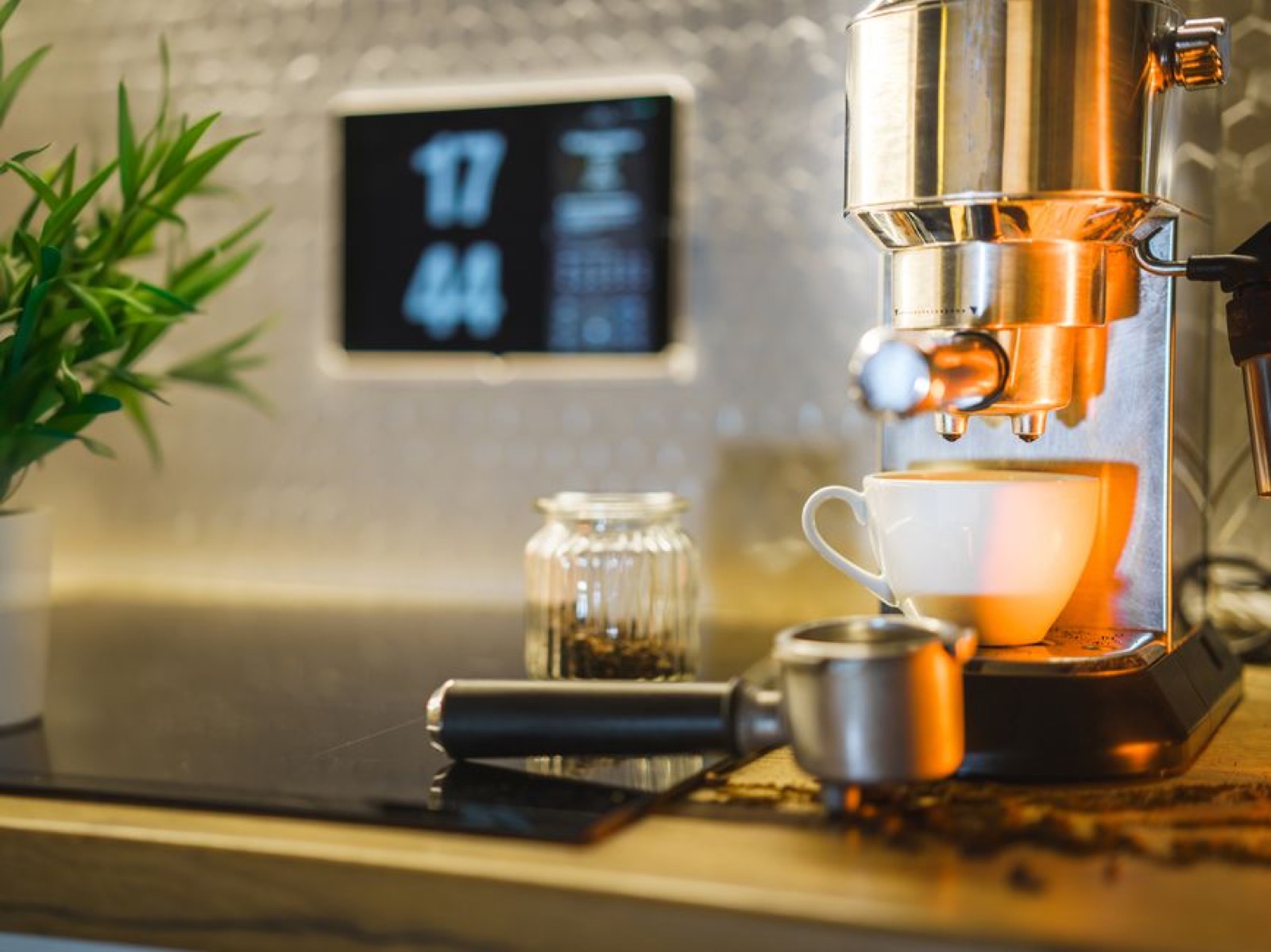
Best Espresso Machine Under $500 for Real Home Use: 2026 Tested Picks
Most espresso machines under $500 are either toys dressed up with stainless steel or legitimate tools that require patience to master. The difference matters when you are putting real money into coffee beans and expecting real results.
Affiliate Disclosure: EspressoSnob participates in the Amazon Services LLC Associates Program. We earn commissions from qualifying purchases through our Amazon links at no extra cost to you. We recommend products based on specifications, performance, and value, not commission rates.
Quick Picks: Best Espresso Machines Under $500
| Machine | Price | Best For | Heat-Up | Portafilter | Link |
|---|---|---|---|---|---|
| Breville Bambino Plus | ~$400 | Beginners who want speed & consistency | 3 seconds | 54mm | Check Price on Amazon |
| Gaggia Classic Pro | ~$449 | Enthusiasts who want to grow & mod | ~5 minutes | 58mm | Check Price on Amazon |
| De'Longhi Dedica Deluxe | ~$220 | Small kitchens, space-constrained buyers | ~40 seconds | 51mm | Check Price on Amazon |
This guide covers the three machines that consistently earn their place at the sub-$500 tier: the Breville Bambino Plus, the Gaggia Classic Pro, and the De'Longhi Dedica Deluxe. Each solves a different problem. Understanding which problem you actually have is how you pick the right one.
What Separates Good Sub-$500 Machines from Bad Ones
Most cheap espresso machines fail on three fronts: inconsistent water temperature, pressurized baskets that mask extraction problems, and steam wands that produce wet foam rather than microfoam. Before looking at specific machines, understand what actually matters.
Temperature Control
Espresso extraction requires water between 195-205 degrees Fahrenheit. A 5-degree swing in either direction changes the taste of the shot - under-extraction below that range, over-extraction above it. Basic single-thermostat machines can swing 8-10 degrees between shots. Machines with PID controllers or ThermoJet heating hold temperature far tighter.
At the sub-$500 tier, the Bambino Plus uses PID-controlled ThermoJet technology. The Gaggia Classic Pro uses a thermostat that benefits significantly from a $40-60 PID add-on. The Dedica Deluxe uses a thermoblock that stabilizes after a warm-up flush.
Basket Type
Pressurized (dual-wall) baskets are designed for pre-ground or coarsely-ground coffee. They create artificial back-pressure to produce crema from mediocre grounds. Non-pressurized (single-wall) baskets require a quality grinder but produce far better extraction and real crema from properly ground coffee.
The Gaggia Classic Pro ships with both pressurized and non-pressurized baskets. The Bambino Plus ships with pressurized baskets but accepts aftermarket single-wall baskets. The Dedica Deluxe ships pressurized only.
Pump Pressure
Every machine on this list uses a 15-bar vibratory pump that regulates down to approximately 9 bars during extraction - the correct pressure for espresso. Avoid anything marketed as "steam pressure only" - those produce 1-2 bars and make moka pot coffee, not espresso.
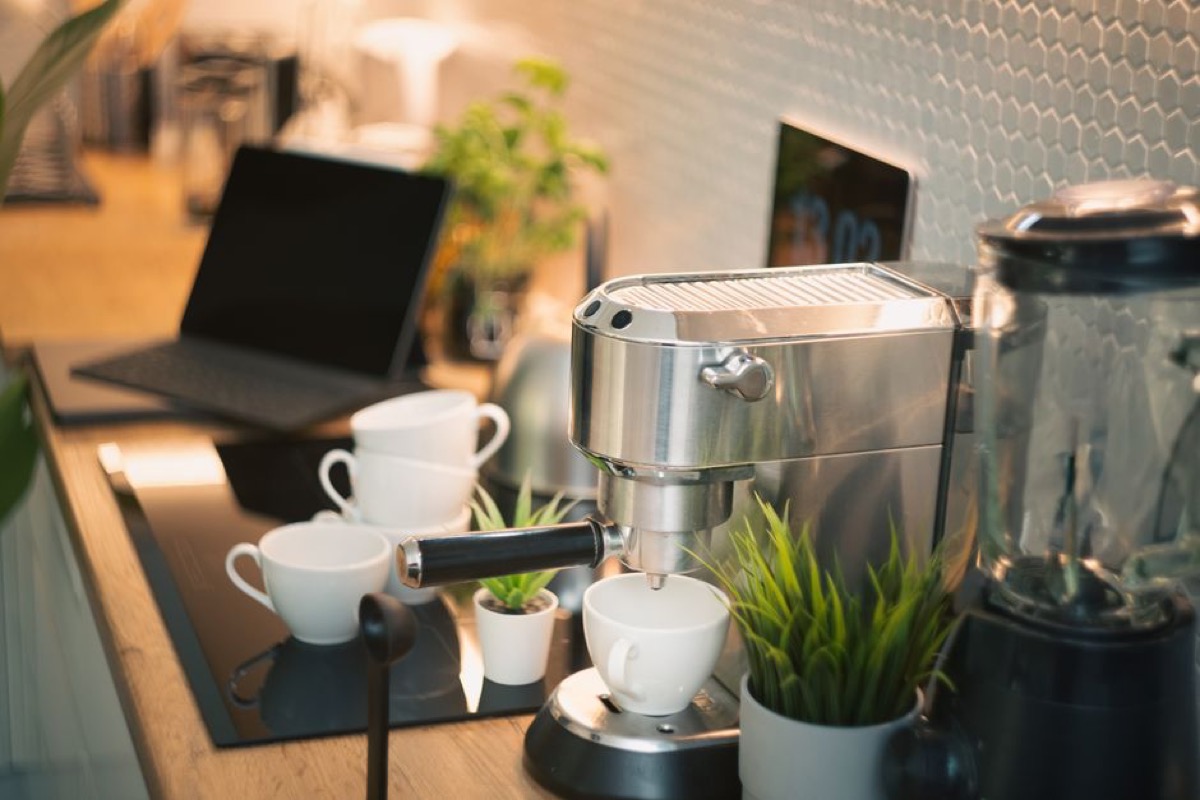
Breville Bambino Plus: Best for Speed and Beginners
The Bambino Plus is the machine most home baristas in 2026 should buy if they want fast, consistent espresso without a steep learning curve. ThermoJet heating brings the machine to brew temperature in 3 seconds - not a marketing claim, a genuine measurable specification. You can pull a shot within 3 seconds of switching the machine on.
Key Specifications
| Spec | Detail |
|---|---|
| Boiler Type | Dual ThermoJet |
| Heat-Up Time | 3 seconds |
| Portafilter Size | 54mm |
| Pressure | 9 bars |
| Temperature Control | PID |
| Steam Wand | Auto-frothing (manual mode available) |
| Weight | 11.4 lbs |
| Dimensions | 7.7" W x 12.6" D x 12.2" H |
| Warranty | 2 years |
What Works
The dual ThermoJet system uses two separate heating elements - one for brewing, one for steaming. This is the key design difference from single-boiler machines. You do not wait for the boiler to cool down between pulling a shot and steaming milk. Temperature crossover, the bane of single-boiler workflow, is eliminated.
PID temperature control keeps the brew water locked within a tight window. Shot-to-shot consistency improves dramatically compared to basic thermostat machines. When you dial in a recipe, it repeats.
The automatic steam wand removes one of the most frustrating skills for beginners - texturing milk. Set the temperature, insert the wand, the machine does the work. You still get silky microfoam. You can switch to manual mode once you want to learn proper technique.
What Doesn't
The 54mm portafilter is the Bambino's ceiling. It accepts Breville accessories and some third-party baskets, but not the vast ecosystem of 58mm commercial accessories. If you eventually want to upgrade your basket game seriously, you will reach a compatibility wall.
The pressurized baskets that ship with the machine are fine for getting started but mask extraction issues. Buy a set of non-pressurized VST or IMS baskets ($30-50) to improve shot quality once you have a quality grinder dialed in.
Who Should Buy It
The Bambino Plus is for the home barista who wants to make genuinely good espresso without spending months learning the craft first. It is also the right choice if you pull 1-2 shots per day and want zero warm-up friction.
View the Breville Bambino Plus on Amazon
Gaggia Classic Pro: Best for Enthusiasts and Long-Term Ownership
The Gaggia Classic Pro is not the easiest machine in this guide. It has a 5-minute warm-up, requires temperature surfing without a PID mod, and demands more attention during milk texturing. None of that is a bug. It is how you learn espresso properly.
Key Specifications
| Spec | Detail |
|---|---|
| Boiler Type | 100ml Aluminum Single Boiler |
| Heat-Up Time | ~5 minutes |
| Portafilter Size | 58mm (commercial standard) |
| Pressure | 9 bars (OPV ships at ~11 bar, easily adjusted) |
| Temperature Control | Thermostat (PID mod compatible) |
| Steam Wand | Commercial-style manual wand |
| Weight | 17.6 lbs |
| Build | Italian-made, stainless steel body |
| Warranty | 1 year |
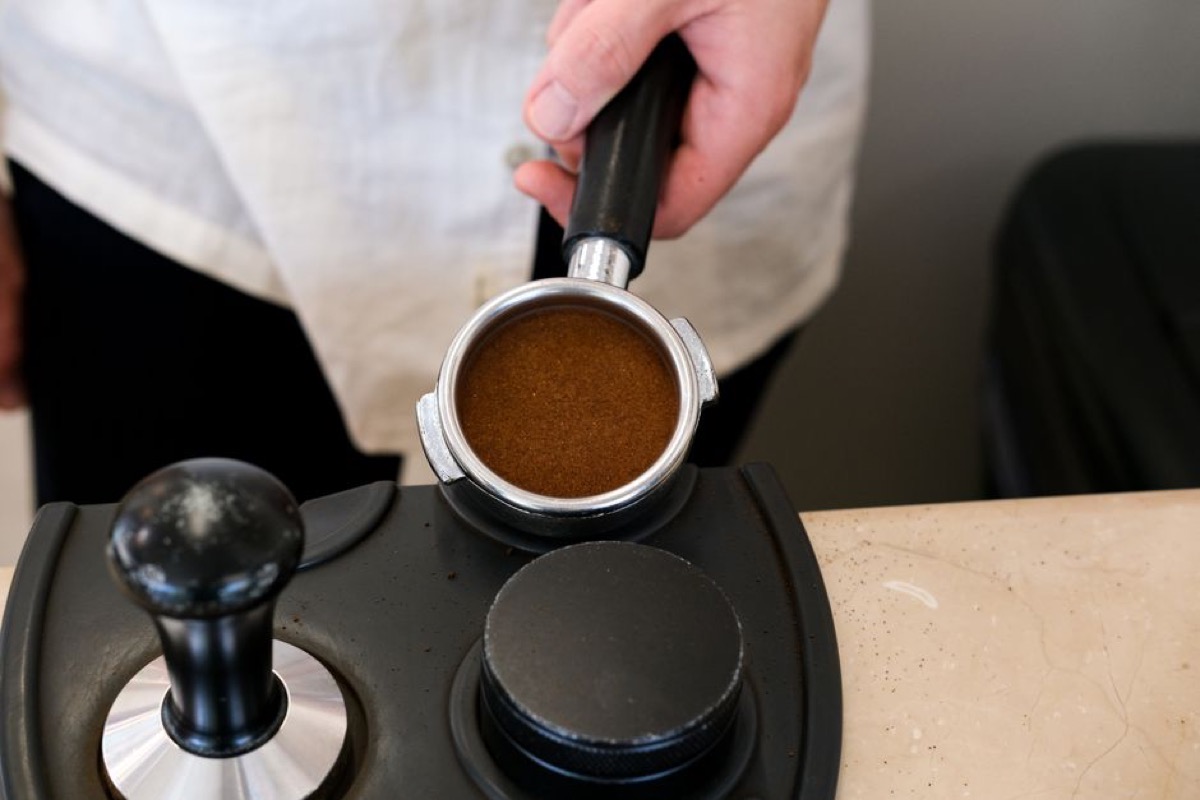
The 58mm Advantage
This is the Gaggia Classic Pro's defining feature. The 58mm portafilter is the commercial-standard size used in professional espresso machines costing $2,000-10,000. Every quality tamper, distribution tool, puck screen, and precision basket on the market is made to 58mm. You are not locked into a proprietary ecosystem.
Owning a 58mm machine means your accessories, your knowledge, and your technique all transfer if you eventually upgrade to a Rocket Appartamento, an ECM Synchronika, or any other prosumer machine. The Classic Pro is not a dead end - it is the first step on a ladder.
The Mod Path
Two modifications transform the Gaggia Classic Pro from a good machine into an exceptional one:
OPV adjustment (free, 10 minutes): The over-pressure valve ships set at approximately 11-12 bars. The SCA standard for espresso extraction is 9 bars. An Allen key and a watchmaker's screwdriver are all you need to set it correctly. Dozens of YouTube tutorials cover this specific machine.
PID mod ($40-60, 2 hours): Replacing the thermostat with a PID controller eliminates temperature instability between shots. The Gaggia Classic Pro's aluminum boiler has some thermal mass, but without a PID, shot temperatures can drift. The mod is well-documented and widely installed.
Neither mod voids the warranty when done correctly, and both are reversible. The machine you buy for $449 with $60 in parts becomes a machine that competes at $800+.
Who Should Buy It
The Gaggia Classic Pro is for the home barista who wants to actually understand espresso - the feedback loop between grind size, dose, tamp, pressure, and extraction. It rewards attention. Buy it if you are committed to learning, plan to keep a machine for 10+ years, or want commercial accessory compatibility from day one.
View the Gaggia Classic Pro on Amazon
De'Longhi Dedica Deluxe EC685M: Best for Small Kitchens
The Dedica Deluxe makes one argument and makes it well: it is 6 inches wide. For anyone in a small apartment, a tight galley kitchen, or a setup where counter space determines what gets to live on it, that measurement changes everything.
Key Specifications
| Spec | Detail |
|---|---|
| Boiler Type | Single Thermoblock |
| Heat-Up Time | ~40 seconds |
| Portafilter Size | 51mm |
| Pressure | 15 bars (thermoblock, no OPV adjustment) |
| Temperature Control | Thermoblock (no PID) |
| Steam Wand | Panarello (auto-froths) |
| Width | 5.9 inches |
| Warranty | 1 year |
What It Does Well
The Dedica Deluxe produces acceptable espresso for a machine of its size and price. The Panarello steam wand injects air automatically, producing froth adequate for cappuccinos without technique. A warm-up flush (running a blank shot before pulling your espresso) stabilizes temperature and improves consistency.
ESE pod compatibility means you can use E.S.E. pods on days when you do not want to grind or dial in. This is a convenience feature that no other machine in this guide offers.
The Honest Ceiling
The Dedica Deluxe is a thermoblock machine without pressure regulation at the group head. It will not produce the same extraction quality as the Bambino Plus or the Gaggia Classic Pro. The 51mm portafilter limits accessory options. The Panarello wand produces froth, not true microfoam - adequate for cappuccinos, not for latte art.
If counter space is not the constraint, the Bambino Plus outperforms it at a similar price range with better temperature control and a more capable steam wand. Buy the Dedica for the footprint, not for raw espresso performance.
Who Should Buy It
The Dedica Deluxe is for buyers where counter space is the binding constraint. If you are comparing it to a Nespresso and want actual espresso from ground coffee in a similarly small machine, it fills that gap. It is not the machine for anyone who wants to grow or improve seriously.
View the De'Longhi Dedica Deluxe on Amazon
The Grinder Problem You Cannot Ignore
None of these machines include a grinder. That is not an oversight - it is correct product design. The grinder is the single most important variable in espresso quality. A $500 machine with a $50 blade grinder produces worse espresso than a $200 machine with a $200 burr grinder.
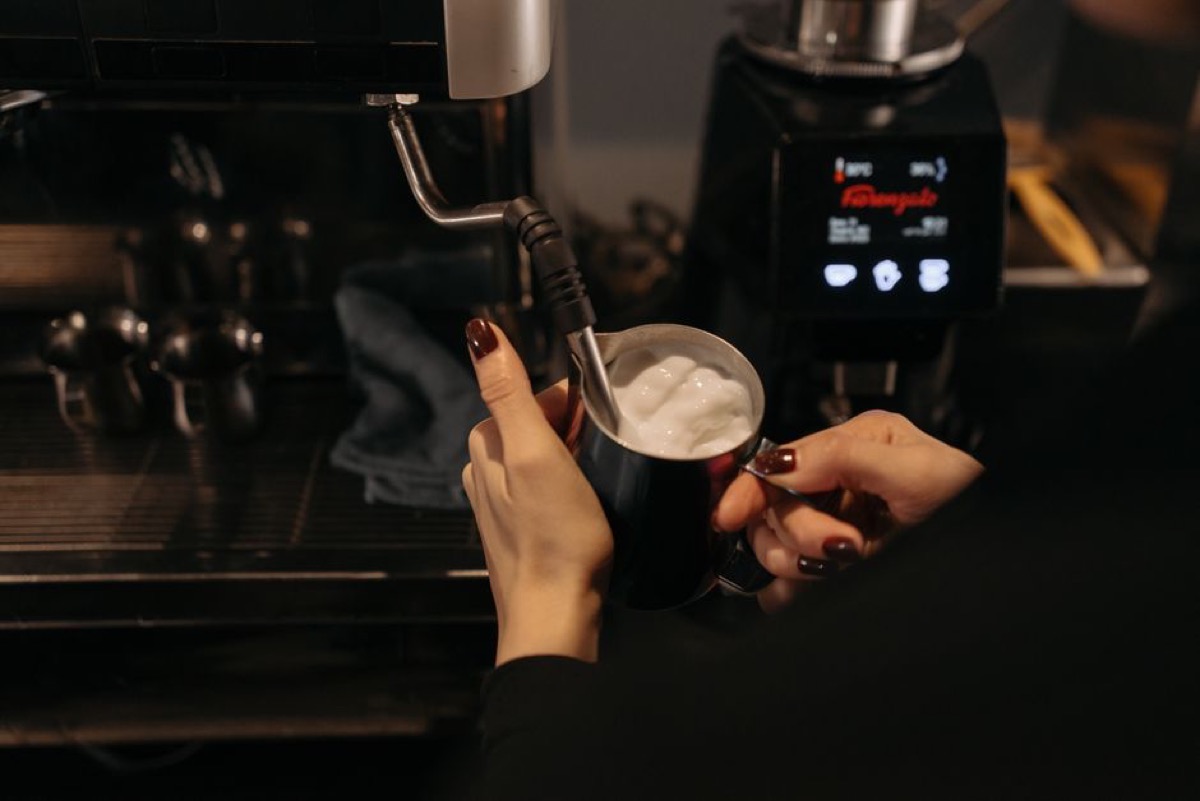
Grinder Pairings by Machine
Bambino Plus: The Baratza Encore ESP (~$200) is the natural entry-level pairing. For better results, the Eureka Mignon Filtro (~$300) improves consistency significantly.
Gaggia Classic Pro: The Baratza Sette 270 or Eureka Mignon Specialita are strong matches. Single-dose grinders like the DF64 Gen 2 pair well if you want low retention and precise dosing.
Dedica Deluxe: The Baratza Encore ESP is adequate. Given the machine's extraction ceiling, spending more than $200 on a grinder for this setup has diminishing returns.
Budget accordingly. If $500 is your total budget for machine plus grinder, the Dedica Deluxe at $220 leaves room for a capable burr grinder. If you have $500 for the machine alone, add grinder budget on top.
Head-to-Head: Which Machine Wins Each Category
| Category | Bambino Plus | Gaggia Classic Pro | Dedica Deluxe |
|---|---|---|---|
| Heat-Up Speed | Winner (3 sec) | Slowest (5 min) | Middle (40 sec) |
| Shot Consistency | Winner (PID) | Strong (better with PID mod) | Adequate |
| Steam Wand Quality | Winner (auto + manual) | Best manual wand | Panarello only |
| Accessory Ecosystem | 54mm limited | Winner (58mm universal) | 51mm very limited |
| Long-Term Upgrade Path | Moderate | Winner (mod-friendly) | None |
| Counter Footprint | Compact | Mid-size | Winner (6" wide) |
| Entry Price | ~$400 | ~$449 | Winner (~$220) |
| Build Quality/Longevity | Good | Winner (Italian steel, 10+ yr) | Adequate |
How to Choose: Three Decision Paths
Path 1 - You want great espresso quickly with minimal learning: Bambino Plus. PID control and auto-steam eliminate the two biggest sources of beginner error. Add a Baratza Encore ESP and you pull consistent shots within a week.
Path 2 - You want to actually learn espresso and own something for 10 years: Gaggia Classic Pro. Accept the learning curve. Do the OPV adjustment on day one. Add a PID mod when budget allows. The 58mm portafilter means every accessory you buy works forever. This machine grows with you.
Path 3 - Counter space is your primary constraint: Dedica Deluxe. It produces real espresso from ground coffee in a machine barely wider than a paperback book. Pair with a compact grinder. Accept the performance ceiling.
Frequently Asked Questions
What is the best espresso machine under $500 for beginners?
The Breville Bambino Plus. ThermoJet 3-second heat-up, PID temperature control, and automatic milk frothing remove the variables that cause beginners to pull bad shots. It produces consistent results from day one with a quality grinder.
Is the Gaggia Classic Pro worth buying in 2026?
Yes. The 58mm portafilter, modifiable OPV, and Italian build quality make it one of the best long-term values in home espresso at any price. The PID mod at $40-60 puts it in a different performance tier. Serious home baristas buy it and keep it for a decade.
Do I need a separate grinder with an espresso machine under $500?
Yes. None of these machines include a grinder. Budget $150-300 for a capable burr grinder - the Baratza Encore ESP or Eureka Mignon Filtro are strong options. The grinder matters more than the machine for shot quality. Pre-ground coffee from a grocery store will not produce good espresso regardless of which machine you buy.
What is the difference between the Breville Bambino and Bambino Plus?
The Bambino Plus adds automatic milk texturing. Both use ThermoJet heating and PID control, but the Plus includes a powered steam wand that froths milk to a set temperature automatically. The base Bambino requires manual steam wand technique. The Plus costs roughly $100 more and is worth it for anyone who makes milk drinks regularly.
Can you pull cafe-quality espresso from a sub-$500 machine?
Yes. The Gaggia Classic Pro with a quality burr grinder and OPV adjusted to 9 bars pulls shots that match most cafe output. The Bambino Plus with fresh beans and a burr grinder delivers consistent 9-bar extractions that rival machines costing twice as much. The grinder is the limiting factor, not the machine.
What grinder should I pair with the Gaggia Classic Pro?
The Baratza Sette 270 or Eureka Mignon Specialita are strong pairings. Both offer stepless adjustment suited to espresso dialing. The Baratza Encore ESP performs well at a lower price. Avoid blade grinders entirely - inconsistent particle size makes espresso extraction impossible to control.
Is the De'Longhi Dedica Deluxe good for small kitchens?
It is the best option when counter width is the primary constraint. At 5.9 inches wide, it fits where no other espresso machine will. Shot quality is adequate, not exceptional. If counter space allows a Bambino Plus, that machine outperforms it at a similar price. Buy the Dedica for the footprint.
The 2026 Verdict
Most buyers at this price point should purchase the Breville Bambino Plus. The 3-second heat-up, PID control, and auto-steam wand produce consistent espresso with the least friction. It punches well above its price class and removes the barriers that cause most home baristas to abandon the craft in the first three months.
The Gaggia Classic Pro is the better machine for anyone who wants to develop real espresso knowledge, own something built to last a decade, or eventually expand their accessory collection. The learning curve is real - and for the right buyer, that is the point.
The De'Longhi Dedica Deluxe earns its place for buyers where a 6-inch footprint is genuinely the deciding factor. Do not buy it for performance. Buy it for the space it leaves on your counter.
Whatever you choose: budget for a grinder. The machine is not the bottleneck.