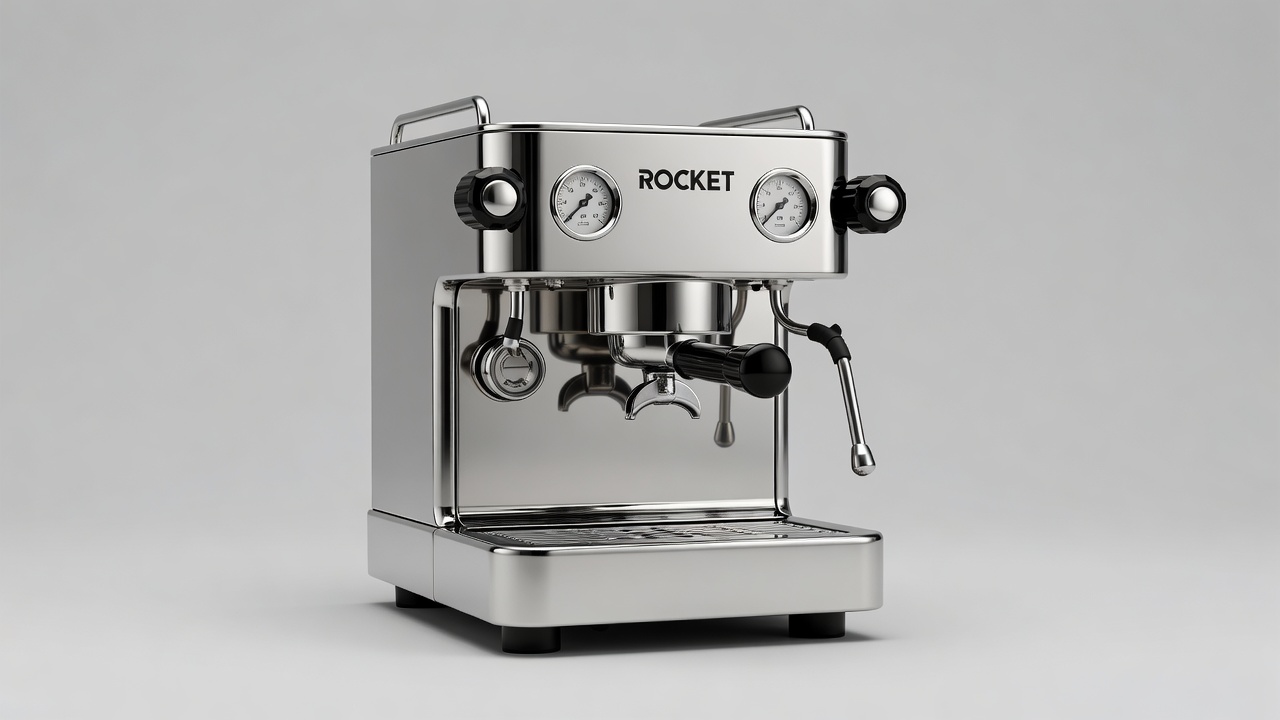
Rocket R58 Worth Buying? $3500 Espresso Machine Review
The Rocket Espresso R58 (Cinquantotto) sits at the top of the prosumer dual-boiler market with a $3,500 price tag and Italian craftsmanship. It promises cafe-quality espresso at home, decade-plus reliability, and stable temperature control for back-to-back shots. But is it actually worth the investment?
After reviewing long-term owner reports, comparing build quality against competitors like the Profitec Pro 500, and analyzing real-world performance data, here's what the R58 delivers - and where it might not justify the premium.
Affiliate Disclosure: EspressoSnob participates in the Amazon Services LLC Associates Program. We earn commissions from qualifying purchases through our Amazon links at no extra cost to you. We recommend products based on specifications, performance, and value, not commission rates.
Build Quality Assessment
Hand-assembled in Milan with stainless steel construction, the R58 uses commercial-grade parts throughout. The dual copper boilers (0.58L brew, 1.8L steam) deliver consistent temperature, and the E61 group head is proven across thousands of machines for thermal stability.
Owners consistently praise fit and finish. No loose parts, clean welds, and attention to detail that separates prosumer from consumer machines. The rotary pump runs quieter than vibration pumps found in lower-tier machines and supports plumb-in installation if you want permanent counter placement.
Copper boilers perform well but scale more than stainless over time. If you have hard water, expect descaling every 1-3 months depending on usage. The PID temperature control (with removable touchscreen on newer models) gives precise brew temp management - critical for light roasts or dialing in specific beans.
Compare this to the Rocket R58 at $3,500 vs alternatives like the Profitec Pro 500 (heat exchanger, ~$2,000) and the difference becomes clear: you're paying for dual-boiler independence, rotary pump quietness, and Italian design aesthetic. The Profitec uses a stainless boiler and simpler construction - more repairable, less refined.
Parts longevity matters. Rocket stocks replacement gaskets, group head screens, and portafilter baskets through Amazon and authorized dealers. Common wear items arrive in 2-3 days, keeping your machine running without downtime.
Daily Use Performance
Heat-up time: 8-10 minutes from cold start. Fast for a dual-boiler. Once warmed, the independent boilers let you pull shots and steam milk simultaneously without temperature drop. This matters if you make multiple milk drinks in a row - cappuccinos for the family, back-to-back lattes - where heat exchanger machines start to show lag.
Shot consistency is the R58's strength. PID holds brew temp within 1-2 degrees, and the E61 group pre-infuses naturally through the thermosiphon. Dial in your grind, dose, and tamp once, and the machine repeats it reliably. Owners report thousands of shots without drift - the machine doesn't "forget" your settings between uses.
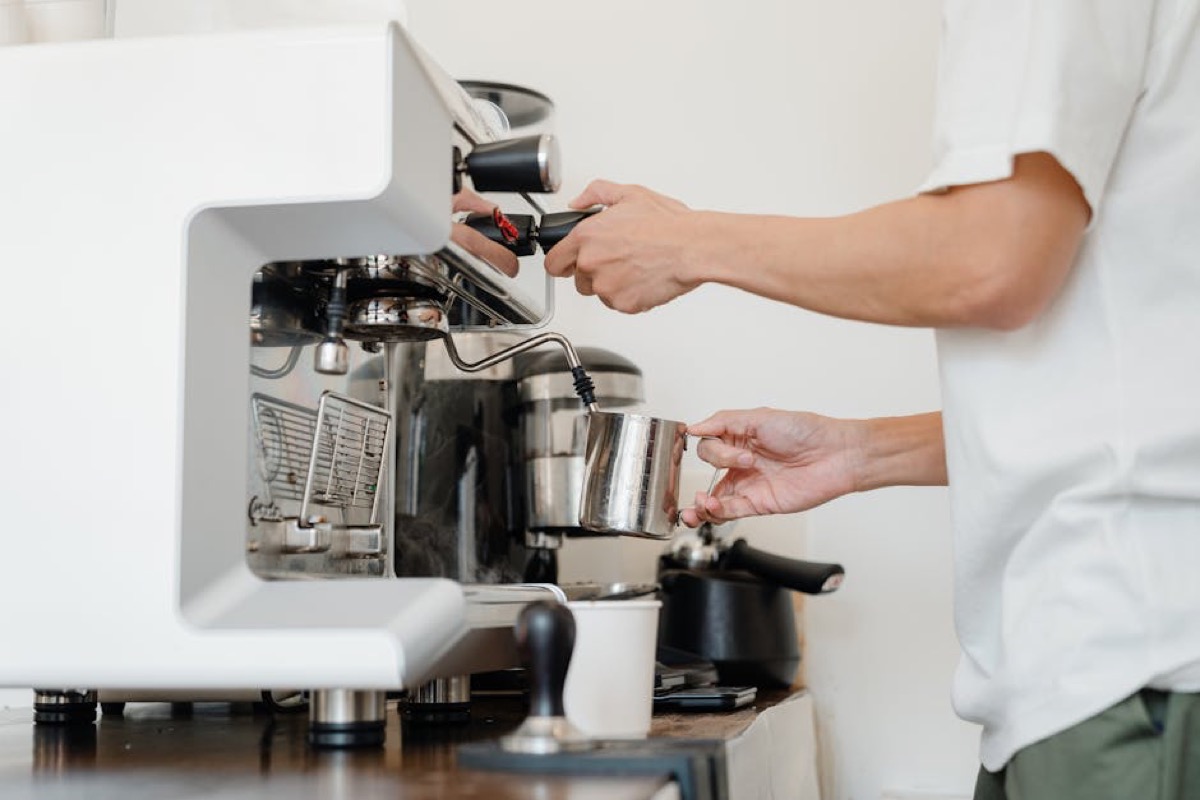
Steaming power is commercial-grade. The 1.8L steam boiler delivers strong, dry steam that textures milk fast. Learning curve exists (steam wand technique, pitcher angle, milk type), but the machine gives you the power. You control the result. Cool-touch wand stays safe between drinks.
Workflow note: the drip tray is shallow. If you pull multiple shots or purge the group head frequently, expect to empty it mid-session. Minor annoyance, not a deal-breaker, but worth knowing if you make 4+ drinks daily.
Espresso Consistency
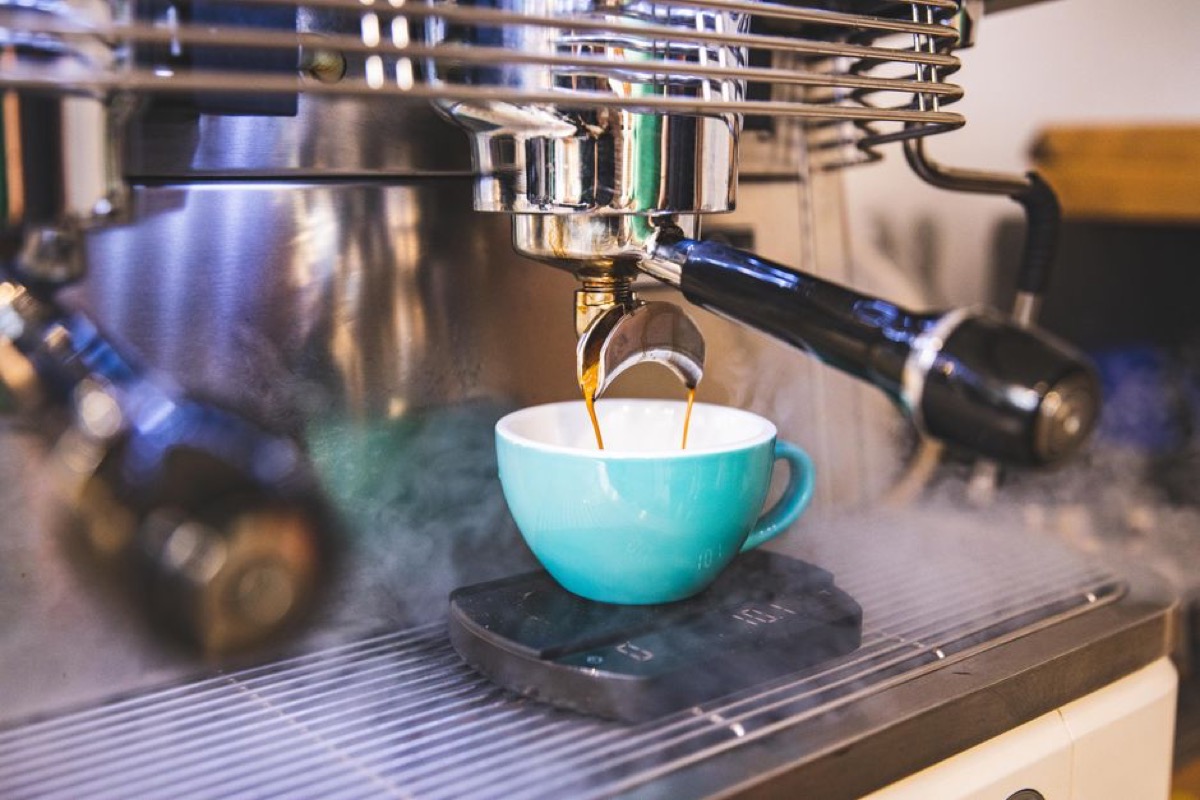
Temperature stability across the entire shot is where dual boilers justify the cost. The R58 holds brew temp steady from pre-infusion through extraction finish. Light roasts extract fully without astringency. Dark roasts don't turn harsh from overheating. You taste what the beans offer, not what the machine adds.
E61 group head delivers passive pre-infusion - water saturates the puck before full pressure hits. Reduces channeling, improves extraction uniformity, and extends the usable range of your grind setting. Pair the R58 with a decent grinder (Niche Zero, Eureka Mignon Specialita, DF64), and you'll pull cafe-quality shots at home.
Pressure profiling: the standard R58 doesn't offer it. The newer R58 Tune (2026 model, similar price) adds preset pressure profiling with timed pre-infusion. If you want to experiment with flow control, consider the Tune or add a flow control device for E61 machines to the standard R58. Most home users won't need it - stable 9-bar pressure pulls excellent espresso from quality beans.
Steaming
The 1.8L steam boiler recovers fast. Steam two pitchers back-to-back, and the second pitcher still gets full power. Heat exchanger machines lose steam pressure as you pull shots (they share a boiler); the R58 doesn't. If you make milk drinks for multiple people, this separation matters.
Four-hole steam tip delivers strong, focused steam. Texturing whole milk takes 20-30 seconds for a 12oz pitcher. Oat milk and skim milk texture with more attention to technique, but the machine provides enough power. Latte art becomes a skill issue, not an equipment limitation.
Cool-touch wand: outer sleeve stays safe to touch. Purge after every use (blow out residual milk), and wipe with a damp cloth. If you skip this, milk residue bakes on and clogs the tip. Clean tip = consistent steam flow.
Maintenance Burden

Daily: backflush after your last shot (10 seconds with blind basket), wipe the group head gasket, purge and wipe the steam wand. Takes 90 seconds. Skip it, and coffee oils turn rancid, affecting taste and clogging the three-way valve.
Weekly: deep backflush with Cafiza or equivalent espresso cleaning powder. Soak the portafilter basket in cleaning solution for 15 minutes, scrub, rinse. This removes built-up oils from the basket holes that restrict flow and cause uneven extraction.
Monthly (or per water hardness): descale the boilers. Use citric acid-based descaler designed for espresso machines - NOT vinegar. Vinegar corrodes seals and leaves a smell. Follow the R58 manual's descaling procedure (run solution through both boilers, flush thoroughly). With hard water, descale every month. Soft or filtered water extends this to every 2-3 months.
Annual: replace the group head gasket ($15 part, 10-minute DIY job or take to a tech). Check the pump screen for scale buildup. Inspect hoses and fittings for wear. Rocket machines last 10+ years with proper maintenance - but "proper" means actually doing it, not running the machine until something breaks.
Parts availability: Rocket is an established brand. OEM parts are available through authorized dealers and online retailers. Common wear items (gaskets, screens, seals) are stocked. Electronics and pumps may require ordering, but they're not proprietary - standard E61 parts fit.
Long-term Reliability
Owner reports from 2+ years of daily use show consistent performance. A detailed 2025 review (thousands of shots) emphasized minimal intervention and steady shot quality. A 5+ year report from 2020 (5,500 shots) called performance "nearly flawless" with only minor notes after extended idle periods.
Common long-term repairs after heavy use: boiler heating elements, pressure relief valves, switches, or OPV adjustments. These are serviceable parts, not design flaws. One owner reported multiple repairs over 9 years, but that's 9 years of daily use - context matters. Another praised 20 years on an older Rocket model with only minor valve work.
The E61 group and PID are reliability strengths. Temperature consistency doesn't drift over time the way pressurestat-controlled machines do. Rotary pumps are quieter and longer-lasting than vibration pumps. Expect 5-10 years of daily use before major service, longer with light use and diligent maintenance.
Warranty: typically 2-3 years through authorized dealers. Register your machine. Keep your receipt. Rocket honors warranty claims through their dealer network. Local service availability varies - check for authorized repair centers in your area before buying. These are repairable machines, but benefit from professional support.
Investment Verdict
At $3,500, the Rocket R58 is a premium investment. Here's who should buy it:
- You make 2+ milk drinks daily. Dual boilers eliminate wait time between shots and steaming. Heat exchangers work, but the R58 is faster and more consistent.
- You value quiet operation. Rotary pump is significantly quieter than vibration pumps. Matters for open kitchens or early morning use.
- You want plumb-in capability. Direct water line connection means no refilling the reservoir. The R58 supports it (with drain line). Permanent counter setup.
- You prioritize Italian design and craftsmanship. The R58 is a showpiece. Stainless steel, polished finish, attention to detail. It looks expensive because it is.
- You plan to keep it 10+ years. The R58 is built to last. With maintenance, it will outlive cheaper machines by years. Resale value holds strong in the used market.
Who should skip it: If you make 1-2 drinks a day and don't need simultaneous brewing/steaming, a heat exchanger machine like the Profitec Pro 500 ($2,000) delivers 90% of the performance for 57% of the cost. If you're unsure about home espresso commitment, start with a Gaggia Classic Pro or Breville Barista Express and upgrade later. The R58 is an endgame machine - buy it when you know you'll use it.
Price and Where to Buy
The Rocket R58 (Cinquantotto) is available through authorized dealers at approximately $3,500. Color options (stainless, black, white) may vary availability and price slightly. The newer R58 Tune (2026 model with pressure profiling) starts at similar pricing but stock is limited as of mid-2026.
Best buying option: Rocket R58 Cinquantotto on Amazon - check current availability, shipping, and warranty coverage.
Always buy from authorized dealers. Grey-market machines may lack warranty support or arrive without proper voltage configuration. Authorized dealers honor Rocket's 2-3 year warranty and provide local service support.
Related Reading
Looking for alternatives or complementary gear? See our guides on Gaggia Classic Pro vs Rancilio Silvia for entry-level manual machines, or best espresso grinders under $300 to pair with your R58.
Photos provided by Pexels.