Gaggia Classic Pro vs Rancilio Silvia: Which Manual Machine Is Better Value?
The Gaggia Classic Pro and Rancilio Silvia are two of the most respected entry-level manual espresso machines for serious home baristas. Both offer commercial-grade 58mm portafilters, powerful steam wands, and the manual control needed to dial in exceptional espresso. They also share similar drawbacks: single boilers that require temperature surfing, no PID controllers out of the box, and steep learning curves.
The Gaggia Classic Pro typically sells for $400-$550, while the Rancilio Silvia runs $900-$995. That's a significant price gap for two machines that look similar on paper. So which one is the better value? After comparing build quality, temperature stability, shot consistency, learning curve requirements, and long-term reliability, here's what you need to know before choosing one over the other.
Price Comparison: $500 Gap for Similar Features
The Gaggia Classic Pro currently sells for around $549 new, though it regularly drops to $399-$450 on sale. The Rancilio Silvia M V6 retails for $900-$995 and rarely goes on sale. Used models narrow the gap: you can find the Gaggia for $250-$350, while older Silvia versions (V3-V4) sell for $300-$500 depending on condition.
| Machine | New Price | Used Price | Boiler Size | Weight |
|---|---|---|---|---|
| Gaggia Classic Pro | $400-$550 | $250-$350 | 3.5 oz brass | 19 lbs |
| Rancilio Silvia V6 | $900-$995 | $300-$500 | 12 oz brass | 30.8 lbs |
Core features overlap significantly: both use 15-bar Ulka pumps (factory-set to 9 bar on the Gaggia), commercial 58mm portafilters, 3-way solenoid valves for dry puck ejection, and powerful articulating steam wands. Neither includes a PID temperature controller. Both have around 2L water reservoirs. On paper, the main differences are boiler size (3.5 oz vs 12 oz) and build weight (19 lbs vs 31 lbs).
Build Quality: Where the Price Gap Shows
The Gaggia Classic Pro uses a brushed stainless steel exterior with a plastic drip tray and some internal plastic components. It's well-built for the price, but not indestructible. The steam wand is commercial-style stainless with a ball joint, though the 2-hole tip requires a learning curve for microfoam. The included plastic tamper is unusable - plan to buy a metal tamper immediately. The portafilter and baskets are genuine commercial quality.
The Rancilio Silvia feels like a commercial machine that shrunk to fit on a home counter. The body is thick stainless steel mounted on a heavy iron frame. Every knob, switch, and fitting feels solid. The steam wand is a thicker-gauge commercial unit that produces drier steam with more power than the Gaggia. The drip tray is metal. The portafilter is heavier. Even the power switch has a satisfying industrial click.
This build quality difference matters for longevity. Silvia owners regularly report 10-15+ years of daily use with only gasket and seal replacements. Gaggia Classic Pros last a long time too, but plastic drip trays crack, switches wear out faster, and steam wand fittings can develop play over time. Both machines are repairable, but the Silvia has fewer points of failure.
For a quality tamper upgrade that removes one variable from your espresso workflow, consider the Espro Calibrated Tamper, which ensures consistent 30-pound tamp pressure every time.
Temperature Stability: The Boiler Size Advantage
The Rancilio Silvia's 12 oz brass boiler holds heat more consistently than the Gaggia's 3.5 oz boiler. In practice, this means less dramatic temperature swings between shots, more forgiving temperature surfing, and better repeatability when pulling multiple back-to-back espressos. The Silvia also recovers faster when switching from brew to steam mode.
The Gaggia requires more precise temperature surfing technique. You need to time the heating cycle carefully, watch for the ready light, sometimes flush a few seconds of water to cool the group head slightly, then pull your shot within a narrow window. Get the timing wrong and you'll taste the difference - sour if too cool, bitter and harsh if too hot.
The Silvia is more forgiving. Its larger thermal mass evens out temperature fluctuations. You still need to temperature surf (neither machine has a PID), but the timing window is wider and results are more consistent shot-to-shot. For beginners learning to dial in grind and tamp, the Silvia removes one variable from the equation.
Both machines benefit enormously from PID upgrades ($100-$200 kit + installation). A PID-equipped Gaggia narrows the performance gap significantly, making it competitive with a stock Silvia for about $600-$700 total. A PID-equipped Silvia becomes a near-professional setup.
Espresso Consistency: Shots That Taste Good vs Shots That Taste Great
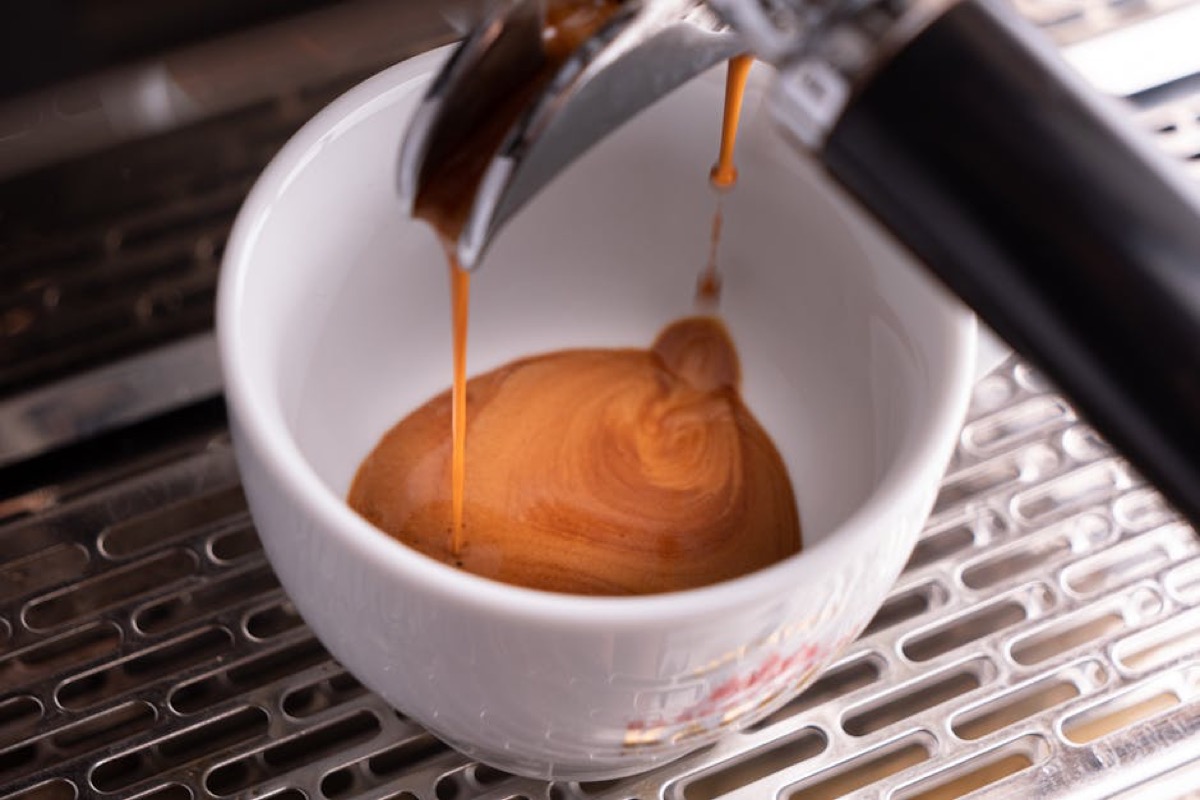
Once you master temperature surfing and dial in your grind, both machines produce excellent espresso. The 58mm commercial portafilters and baskets, 9-bar pressure, and brass boilers give you the fundamentals needed for cafe-quality shots at home. Pair either machine with a good espresso grinder (like the Niche Zero or Baratza Sette 270) and fresh beans, and you'll pull shots that beat most commercial cafes.
The Silvia edges ahead in two areas: temperature consistency between shots (bigger boiler) and steam pressure (more powerful wand). If you're making multiple drinks back-to-back, the Silvia maintains quality better. The Gaggia's smaller boiler means more recovery time between shots and longer waits when switching between brewing and steaming.
For single daily shots, the difference is minimal. For weekend entertaining or making lattes for two, the Silvia's extra thermal capacity and faster steam-mode recovery make workflow noticeably smoother.
Learning Curve: Both Require Patience and Practice
Neither machine is beginner-friendly in the Breville Barista Express sense. There are no automatic features, no pre-programmed shot buttons, no grind-size recommendations displayed on an LED panel. You temperature surf manually, adjust your grind by feel, tamp with consistent pressure, and troubleshoot sour or bitter shots through trial and error. Plan for 2-4 weeks of mediocre espresso while you learn.
The Gaggia's learning curve is slightly steeper because of the smaller boiler and narrower temperature window. You need to develop good timing instincts faster. The Silvia's larger boiler and better temperature stability give you more room for error while you're learning grind adjustments, dose consistency, and tamp pressure.
Both machines reward practice. After a month of daily use, most owners report consistent, high-quality shots. After three months, you'll be pulling espresso that rivals what you'd pay $4-$6 for at a specialty cafe. The manual control that makes these machines hard to learn is the same feature that lets you dial in exceptional espresso once you master the technique.
Steaming Performance: Silvia Wins Clearly
The Rancilio Silvia produces noticeably better microfoam. The larger boiler provides more steam volume and pressure, the heavier-gauge steam wand delivers drier steam with less spitting, and the overall steaming experience feels closer to a commercial machine. You can texture a full pitcher of milk in 30-40 seconds and achieve latte-art-quality microfoam consistently.
The Gaggia Classic Pro's steam wand is adequate but requires more technique. The smaller boiler means less steam volume, so you need to work faster. The 2-hole tip can produce good microfoam, but it's less forgiving - bad wand positioning or slow technique results in large bubbles or thin foam. Many owners upgrade to a single-hole tip immediately.
If you primarily drink straight espresso or Americanos, this difference doesn't matter. If you make milk drinks daily, the Silvia's steaming advantage becomes significant over time.
Maintenance and Longevity: Both Built to Last, Silvia Lasts Longer
Both machines are fully repairable with widely available parts. Routine maintenance is similar: backflush with cleaning powder weekly, descale every 1-3 months depending on water hardness, replace group gaskets annually, and replace steam wand seals as needed.
The Rancilio Silvia has a stronger track record for longevity. It's not uncommon to find 15-20 year old machines still pulling excellent shots. The heavier build quality, fewer plastic components, and better thermal engineering mean less wear over time. Used Silvias from 2005-2010 are still worth buying if they've been maintained.
Gaggia Classic Pros last a long time too - many owners report 8-12+ years of reliable service - but plastic parts degrade faster and some components (drip tray, switches, steam knob) need replacement sooner. The machine is repairable, just not quite as bulletproof.
Value Winner: Depends on Your Budget and Commitment
The Gaggia Classic Pro offers better value if you're on a $500 budget or unsure how deep you'll go into espresso as a hobby. For $400-$550, you get a real manual espresso machine with commercial components that can produce cafe-quality shots. Add a PID kit later for another $150-$200 if you want tighter temperature control, and you're still under $750 total.
The Rancilio Silvia is the better long-term investment if you're committed to making espresso daily for the next decade. The extra $400-$500 buys you better temperature stability, superior build quality, stronger steaming performance, and a machine that will likely outlast the Gaggia by 5+ years. Resale value is also stronger - used Silvias hold 50-60% of their original value; used Gaggias drop to 30-40%.
Used market changes the equation. A well-maintained used Silvia V3 or V4 for $350-$450 beats a new Gaggia on value. A used Gaggia for $250 beats everything else as an entry point, as long as you're prepared to replace gaskets and possibly service the boiler.
Final Recommendation
Buy the Gaggia Classic Pro if:
- Your budget is firm at $400-$550
- You're new to manual espresso and want to test the water
- You drink 1-2 espressos per day, mostly straight shots
- You're comfortable modding (PID, OPV, silicone gasket upgrades)
Buy the Rancilio Silvia if:
- You're committed to manual espresso long-term
- You make multiple milk drinks daily
- You want the most forgiving learning curve and best consistency
- You value long-term durability over upfront cost savings
Both are excellent machines. The Gaggia is the best value under $600. The Silvia is the best machine under $1000. Your budget and commitment level determine which is the right choice.
Pair either machine with a capable espresso grinder - shots are only as good as your grind consistency - and plan to spend 2-4 weeks learning temperature surfing and dialing in technique. Once you do, both machines reward you with espresso that beats anything from a pod machine or superautomatic.
Related: Best Espresso Grinder Under $300 for Home Use | Gaggia Classic Pro Real Daily Use Review