Affiliate Disclosure: EspressoSnob participates in the Amazon Services LLC Associates Program. We earn commissions from qualifying purchases through our Amazon links at no extra cost to you. We recommend products based on specifications, performance, and value, not commission rates.
Spending $500 to $1000 on an espresso machine is serious money. The question is not just which machine pulls the best shot on launch day - it is which one still pulls a great shot in year five, year eight, or year twelve. Durability, parts availability, and repairability separate the machines worth buying from the ones that become paperweights after a heating element fails.
This guide ranks four machines in the sub-$1000 bracket by long-term value. Specs matter. Build quality matters more. Repair cost over a decade matters most.
Quick Picks: Best Espresso Machines Under $1000
| Machine | Price | Boiler | Best For | Link |
|---|---|---|---|---|
| Gaggia Classic Evo Pro | $529.99 | Brass single boiler | Best long-term durability pick | Check Price on Amazon |
| Rancilio Silvia M V6 | $995.00 | Brass single boiler | Best shot quality, longest lifespan | Check Price on Amazon |
| Breville Bambino Plus | $499.95 | Thermoblock | Best for milk drinks, quick heat-up | Check Price on Amazon |
| Breville Barista Pro | $499.95 | ThermoJet | Best all-in-one convenience pick | Check Price on Amazon |
The Durability Problem With Sub-$1000 Machines
Most buying guides in this price range focus on extraction quality, steam pressure, and heat-up time. Those things matter. What guides rarely cover: what happens when a thermoblock fails in year four, or when a boiler develops a pinhole leak. That repair cost - and whether the machine is even worth repairing - changes the long-term value equation completely.
The sub-$1000 market splits cleanly into two categories based on heating system:
- Thermoblock/ThermoJet machines (Breville): Heat water on demand through a narrow heating element. Fast heat-up (3-8 seconds), compact design, lower repair cost if the element fails - but the element itself is proprietary and repair options are limited to manufacturer service or replacement.
- Traditional boiler machines (Gaggia, Rancilio): Hold a reservoir of heated water in a brass boiler. Slower heat-up (15-25 minutes), but rock-solid temperature consistency and a heating system designed for decades of use. Parts are standard, serviceable, and widely available.
Neither approach is wrong. But if you are buying a machine you plan to use for 10 years, boiler machines have a documented track record. Thermoblocks do not.
Gaggia Classic Evo Pro - Best Long-Term Durability Pick ($529.99)
The Gaggia Classic line has been in continuous production for over 30 years. The Evo Pro is the current iteration: same Made-in-Italy brass boiler and commercial 58mm group head, updated with a larger boiler capacity, more powerful steam wand, and a factory-calibrated 9-bar OPV. This is the machine with the deepest mod ecosystem and the most documented long-term ownership data of anything in this price range.
Build Quality
The Evo Pro uses a brass boiler - the same material found in commercial machines costing five times as much. Brass handles thermal expansion better than aluminum and resists corrosion from hard water. The group head is chrome-plated brass with a commercial-spec 58mm portafilter basket. The steel housing is simple and thick. There is nothing complicated to fail.
The 3-way solenoid valve - which releases pressure after extraction to prevent wet pucks and allow backflushing - is a commercial feature at this price point. It is also a serviceable part. When it eventually wears, you replace it yourself for under $30.
Shot Quality
The Evo Pro pulls excellent espresso out of the box. The 9-bar extraction pressure and commercial wand give you real latitude to dial in. The stock machine runs slightly hot by some baristas' preference - the most common first mod is adding a PID controller ($80-150) for precise temperature control. With a PID, this machine competes with prosumer gear at $1500+.
Stock, without a PID, the Evo Pro rewards technique. Inconsistent tamping or poor puck prep shows up in the cup. That feedback loop makes you a better barista faster than a machine that compensates for your errors.
Longevity Data
The r/espresso and Home-Barista.com forums are full of Gaggia Classic owners with 10, 15, and 20-year machines still pulling daily shots. The failure modes are documented: pump seals wear around year 5-7, group head gaskets need replacing every 6-12 months, the OPV spring softens over time. Every one of those parts costs under $30 and takes under an hour to replace. The machine is designed to be serviced.
Total 10-year ownership cost estimate: $529.99 machine + $150-300 in routine parts + optional $150 PID = $830-980 for a machine that still pulls competition-quality espresso.
Rancilio Silvia M V6 - Best Shot Quality, Longest Lifespan ($995.00)
The Rancilio Silvia is the closest thing to a commercial machine at the home price ceiling. The M V6 (current generation) retains the original Silvia's commercial-grade brass boiler, chrome-plated brass group head, and stainless steel chassis - now updated with a larger 12-ounce boiler and improved 3-way solenoid. Rancilio makes commercial espresso equipment. The Silvia is their home machine built to commercial tolerances.
Build Quality
The Silvia's chassis is heavier and more substantial than the Gaggia. The group head is a commercial component. The portafilter locking mechanism has a tight, precise feel that home machines at lower price points cannot match. The steam knob and brew switch are solid metal - not the plastic-with-metal-finish construction common in this category.
The boiler is the critical component: a 12-ounce brass single boiler shared between brew and steam. Larger capacity than the Gaggia means more thermal stability, less temperature swing between shots, and more steam power for milk drinks. The tradeoff: the Silvia requires 25 minutes to fully stabilize thermally. This is not a machine you flip on and pull from in 3 minutes.
Shot Quality
The Silvia produces the best espresso of any machine in this price range - when you work with it properly. Temperature surfing (running a brief flush before shots to stabilize group head temperature) or adding a PID unlocks its full potential. Without a PID, it demands technique discipline. With a PID ($150-200 installed), it becomes a reference-quality machine at home.
The commercial 58mm portafilter accepts third-party baskets, tampers, and accessories without adapter rings. Your accessories investment carries forward if you ever upgrade.
Longevity Data
Rancilio Silvia units from the late 1990s are still in active service. The machine's parts availability is exceptional - Rancilio maintains an extensive service network and most wear components (gaskets, solenoids, pump seals) are in stock at multiple specialty retailers. The Silvia is repairable indefinitely.
Total 10-year ownership cost estimate: $995 machine + $200-400 in routine parts + optional $200 PID = $1,395-1,595 for a machine that hits its peak performance in years 3-5 and holds it for 20+.
Breville Bambino Plus - Best for Milk Drinks and Fast Workflow ($499.95)
The Bambino Plus is popular with espresso enthusiasts for good reason: it is genuinely excellent at what it does. The ThermoJet heating system hits brew temperature in 3 seconds. The automatic steam wand textures milk with minimal skill required. The machine is compact, quiet relative to its competitors, and produces consistently good espresso without a long warm-up period.
Build Quality
The Bambino Plus uses a dual thermoblock system - one block for brew, one for steam. The housing is stainless steel with plastic internals. The portafilter is 54mm (non-standard; Breville proprietary). Build quality is solid for the price point, but this is a consumer-grade machine in its construction philosophy, not a professional-grade one. Proprietary components mean repair options are more limited than with standard parts.
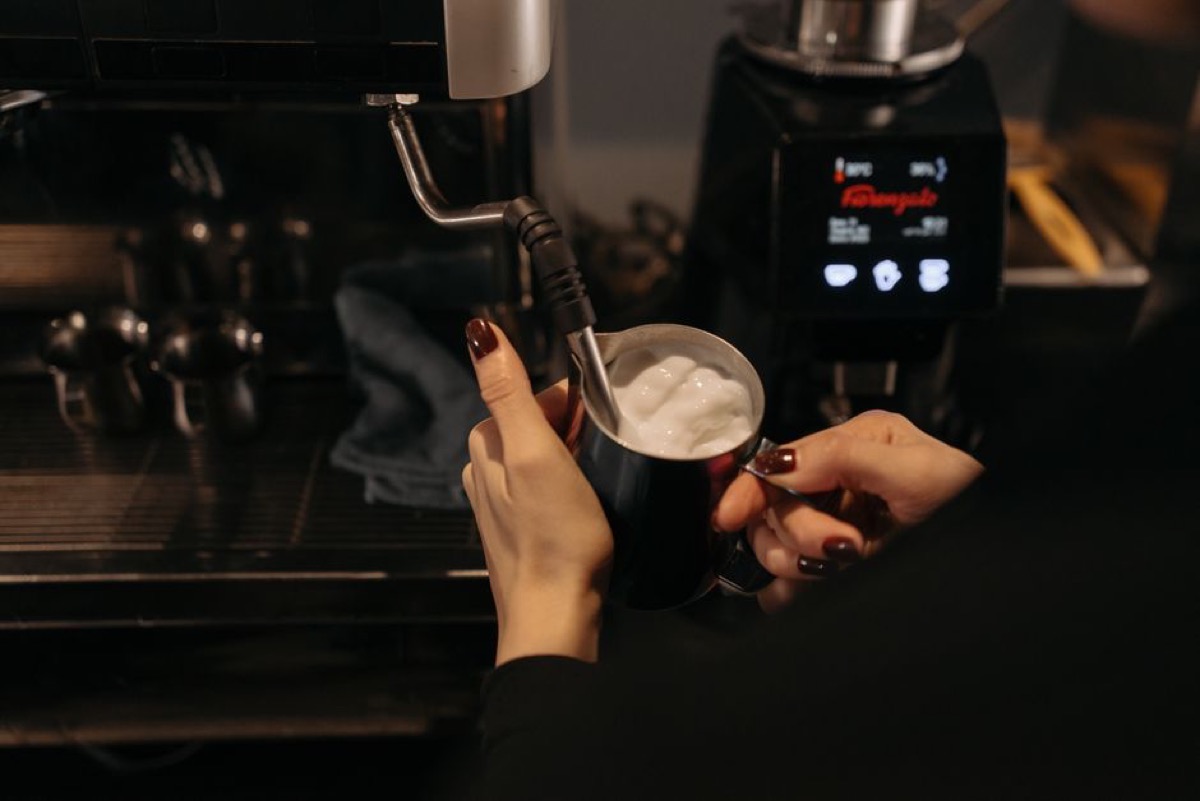
The automatic steam wand adjusts milk temperature automatically and stops at a set point - useful for beginners, limiting for experienced baristas who want manual control over texture.
Shot Quality
The Bambino Plus pulls good espresso. Not great. The thermoblock produces acceptable temperature consistency for most daily use, but it lacks the thermal mass of a boiler machine - experienced palates notice variation between shots that a boiler machine irons out. For cappuccinos and lattes where the milk carries the drink, this difference is minimal. For straight espresso and lungos where temperature stability matters most, it shows.
Longevity Realistic Expectations
Thermoblock machines typically last 5-8 years with regular use and proper maintenance. The Bambino Plus is no exception. Breville offers a 2-year warranty and has a solid repair network. After warranty expiry, repair costs can approach or exceed the machine's replacement cost - at which point replacement becomes the economic choice. This is not a criticism unique to Breville; it reflects the design tradeoffs inherent to thermoblock architecture.
Who should buy it: Latte and cappuccino drinkers who prioritize quick workflow and automatic milk texturing over longevity. Budget: $499.95 + a quality 54mm-compatible grinder.
Breville Barista Pro - Best All-in-One Option ($499.95)
The Barista Pro includes a built-in conical burr grinder - which changes the calculus for buyers who have not yet invested in a standalone grinder. The ThermoJet system heats to brew temperature in 3 seconds and the digital interface makes dialing in accessible for new espresso drinkers.
The All-in-One Tradeoff
Combining a grinder and machine in one unit is convenient. It is also a maintenance complexity. A standalone grinder can be upgraded, repaired, or replaced independently. With the Barista Pro, if the grinder burrs wear or the grinding mechanism develops a fault, you are dealing with a machine service, not a simple burr replacement.
The built-in grinder is a conical burr design - genuinely capable for espresso, better than the flat burr grinders in older all-in-one machines. Grind retention is minimal. For new baristas who do not want to manage two separate appliances, it is a strong starting point.
Longevity
Same thermoblock architecture as the Bambino Plus. Realistic lifespan of 5-8 years. The added complexity of the integrated grinder introduces one more serviceable system. If you are thinking long-term, this machine's all-in-one design is a convenience tradeoff, not a durability advantage.
Who should buy it: New espresso drinkers who want a complete setup in one unit without buying a separate grinder. Not the right call if standalone equipment flexibility matters to you.
Head-to-Head Specs Comparison
| Feature | Gaggia Evo Pro | Rancilio Silvia M V6 | Bambino Plus | Barista Pro |
|---|---|---|---|---|
| Price | $529.99 | $995.00 | $499.95 | $499.95 |
| Heating System | Brass boiler | Brass boiler | Dual thermoblock | ThermoJet |
| Heat-Up Time | ~15-20 min | ~25 min | 3 seconds | 3 seconds |
| Portafilter | 58mm commercial | 58mm commercial | 54mm proprietary | 54mm proprietary |
| Steam Wand | Commercial manual | Commercial manual | Auto-frother | Manual |
| Built-In Grinder | No | No | No | Yes (conical burr) |
| PID Temperature | No (common mod) | No (V6 update planned) | Yes (auto-set) | Yes (digital) |
| 3-Way Solenoid | Yes | Yes | Yes | Yes |
| Estimated Lifespan | 10-20 years | 15-25 years | 5-8 years | 5-8 years |
| Mod Ecosystem | Extensive | Moderate | Limited | Limited |
| Origin | Made in Italy | Made in Italy | Designed in Australia | Designed in Australia |
Buyer's Guide: Which Machine Is Right for You
Buy the Gaggia Classic Evo Pro if:
- You want the best long-term value under $600
- You plan to learn manual espresso technique (tamping, temperature management, puck prep)
- You are interested in mods - PID, pressure profiling, pump upgrades
- You want a machine still running in year 15 with standard replacement parts
- You prefer a 58mm portafilter ecosystem for accessories
Buy the Rancilio Silvia M V6 if:
- Budget ceiling is $1000 and you want the best machine that ceiling buys
- Shot quality is your primary metric and you are willing to learn temperature management
- You want Italian commercial build quality at home prices
- You think in decades, not years, when buying equipment
- You are comfortable with a 25-minute warm-up as part of your morning routine
Buy the Breville Bambino Plus if:
- You make 80% milk-based drinks (lattes, cappuccinos, flat whites)
- Counter space is limited - it is the most compact machine here
- You want espresso ready in under 5 minutes from cold start
- Ease of use matters more than longevity
- You already have or are buying a dedicated 54mm-compatible grinder
Buy the Breville Barista Pro if:
- You are new to espresso and do not own a grinder
- You want one purchase to cover grinder + machine
- You understand the all-in-one tradeoff on long-term flexibility
- Budget is $500 all-in and you do not want to manage separate appliances
The Grinder Question
Three of these four machines require a separate espresso grinder. This is not optional. An espresso machine without a proper burr grinder produces mediocre espresso regardless of the machine's quality. Budget these pairings realistically:
- Gaggia Evo Pro: Pair with a Baratza Encore ESP ($199) or Eureka Mignon Filtro ($299) for the entry-mid tier. Total setup: $730-830.
- Rancilio Silvia: This machine deserves a grinder equal to its output. Eureka Mignon Specialita ($400) or Niche Zero ($500-600). Total setup: $1,395-1,595.
- Bambino Plus: Works well with any decent 54mm-compatible burr grinder. Baratza Sette 30 ($200) is the standard pairing. Total setup: $700.
- Barista Pro: Grinder included. No additional purchase needed. Total setup: $499.95.
Related: Best Espresso Grinders Under $300 and our full Niche Zero vs Baratza Sette 270 comparison.
Maintenance Impact on Longevity
The lifespan estimates above assume regular maintenance. A Gaggia Classic that is never backflushed and descaled twice a year does not last 15 years. A Bambino Plus with proper care can push past 8 years. The estimates reflect machines maintained on a reasonable schedule.
Minimum maintenance for all four machines:
- Daily: Backflush with water (blind basket), wipe group head and portafilter, purge and wipe steam wand
- Weekly: Backflush with cleaning powder (Cafiza, Puly Caff), soak baskets and dispersion screen
- Every 1-3 months: Descale based on water hardness
- Every 6-12 months: Replace group head gasket
For a full maintenance protocol, see our guide: How to Clean Your Espresso Machine.
Frequently Asked Questions
What is the most durable espresso machine under $1000?
The Rancilio Silvia M V6 is the most durable espresso machine under $1000. Its all-brass boiler, stainless steel chassis, and commercial-grade group head are built to last 15-20 years with proper maintenance. The Gaggia Classic Evo Pro is the best durability pick if your budget is closer to $500.
Is the Breville Bambino Plus worth buying in 2026?
Yes, for the right buyer. At $499.95 with 3-second heat-up and automatic milk steaming, it is genuinely excellent for latte and cappuccino drinkers who want convenience. The limitation is longevity - 5-8 year realistic lifespan versus 15+ years for boiler machines. If shot quality and longevity are priorities, the Gaggia Evo Pro at $529.99 is the stronger long-term investment.
How long do espresso machines under $1000 typically last?
Boiler machines (Gaggia, Rancilio) last 10-25 years with regular maintenance. Thermoblock machines (Breville) typically last 5-8 years. The difference comes down to heating system architecture: brass boilers are repairable indefinitely with standard parts, thermoblocks eventually fail and may not be economically repairable.
Do I need a separate grinder for these espresso machines?
Yes, for three of the four machines. The Barista Pro includes a built-in grinder. For the Gaggia, Silvia, and Bambino Plus, a dedicated burr grinder is essential - it is the single biggest factor in shot quality. Budget a minimum of $150-300 for a grinder alongside your machine purchase.
What is the difference between a thermoblock and a boiler espresso machine?
A thermoblock heats a small amount of water on demand in seconds. Fast, compact, but less thermally stable. A boiler holds a reservoir of heated water, providing consistent temperature shot after shot but requiring 15-25 minutes to heat up. For straight espresso quality and long-term durability, boilers win. For convenience and milk drinks, thermoblocks are competitive.
Can the Gaggia Classic Evo Pro be upgraded?
Yes - it has the deepest mod community of any machine in this price range. Popular upgrades: PID temperature controller ($80-150), OPV pressure regulator calibration to 9 bar, Shurflow pump for quieter operation, aftermarket 58mm portafilters and baskets. With a PID, the Evo Pro competes with prosumer machines at $1500+.
The 2026 Verdict
Two machines stand out for long-term value in the sub-$1000 bracket:
Best overall durability pick: Gaggia Classic Evo Pro ($529.99). Made in Italy, brass boiler, 58mm commercial portafilter, extensive mod ecosystem, 15+ year documented lifespan. The best investment per dollar in this category. Add a PID and a quality grinder and this machine competes above its price class.
Best machine at the $1000 ceiling: Rancilio Silvia M V6 ($995). Commercial tolerances, larger boiler, superior shot quality ceiling, documented 20+ year lifespans. The machine that serious home baristas buy and keep.
Best for convenience and milk drinks: Breville Bambino Plus ($499.95). Unmatched ease of use, 3-second heat-up, excellent automatic milk steaming. The right machine if workflow speed and latte quality matter more than long-term repairability.
If you are buying once and keeping the machine for a decade, spend the extra $30 and get the Evo Pro over the Bambino Plus. The brass boiler, 58mm portafilter ecosystem, and serviceability make the difference compounding over time.
Also worth reading: Best Espresso Machines Under $500 and our deep-dive Gaggia Classic Pro vs Rancilio Silvia comparison.
Affiliate Disclosure: EspressoSnob participates in the Amazon Services LLC Associates Program, an affiliate advertising program designed to provide a means for sites to earn commissions by linking to Amazon.com. We earn commissions from qualifying purchases made through our Amazon links at no additional cost to you. These commissions support our research, testing, and content creation. We recommend products based on specifications, performance, and value, not commission rates.
Photos provided by Pexels.