Best Espresso Machine Under $2000 That Will Actually Last 10 Years (2026)
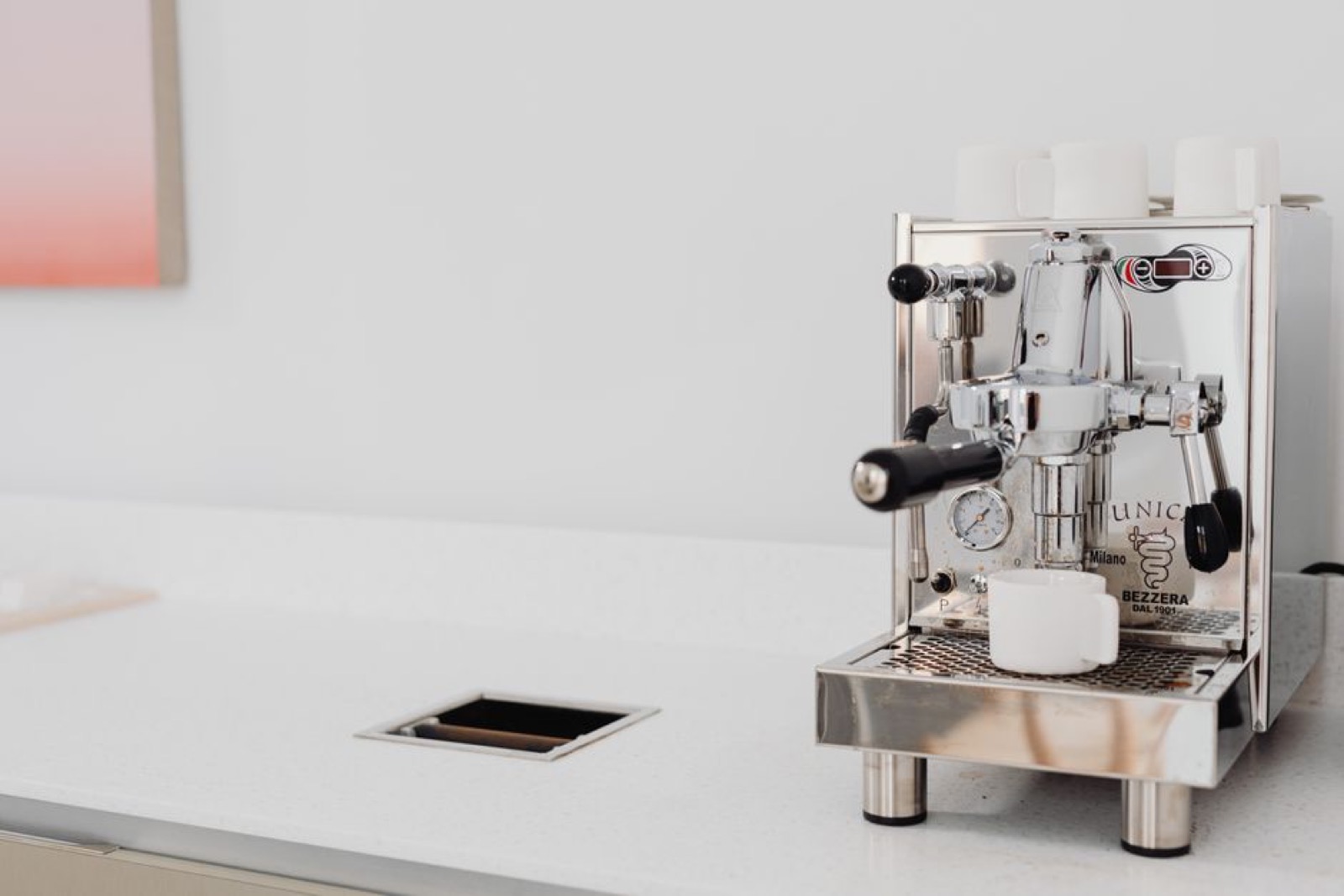
Most espresso machines fail a simple durability test: will a technician still be able to get parts for this thing in 2035? At the $500 tier, the answer is usually no. At the $1500-2000 tier, you get into machines built on commercial-grade platforms where the answer is a firm yes - sometimes for 20 years or more.
This guide covers the five best picks in the under-$2000 range for 2026, ranked by what actually matters for long-term value: build quality, parts availability, repairability, and the ability to pull consistent espresso year after year without becoming a paperweight.
Affiliate Disclosure: EspressoSnob participates in the Amazon Services LLC Associates Program. We earn commissions from qualifying purchases through our Amazon links at no extra cost to you. We recommend products based on specifications, performance, and value, not commission rates.
Quick Picks: Best Espresso Machine Under $2000 (2026)
| Machine | Price | Type | Best For | Buy |
|---|---|---|---|---|
| Breville Oracle Jet | ~$1,979 | Auto (grinder included) | Best overall - hands-off automation | Check Price |
| Rancilio Silvia Pro X | ~$1,990 | Semi-auto dual boiler | Best for serious home baristas | Check Price |
| Gaggia Accademia | ~$1,779 | Fully automatic | Best Italian super-auto under $2K | Check Price |
| Gaggia Classic Evo Pro | ~$549 | Semi-auto single boiler | Best entry prosumer under $600 | Check Price |
| Breville Oracle Touch | ~$2,799 | Auto dual boiler | Best if budget stretches above $2K | Check Price |
Why the $1500-2000 Range Is the Durability Sweet Spot
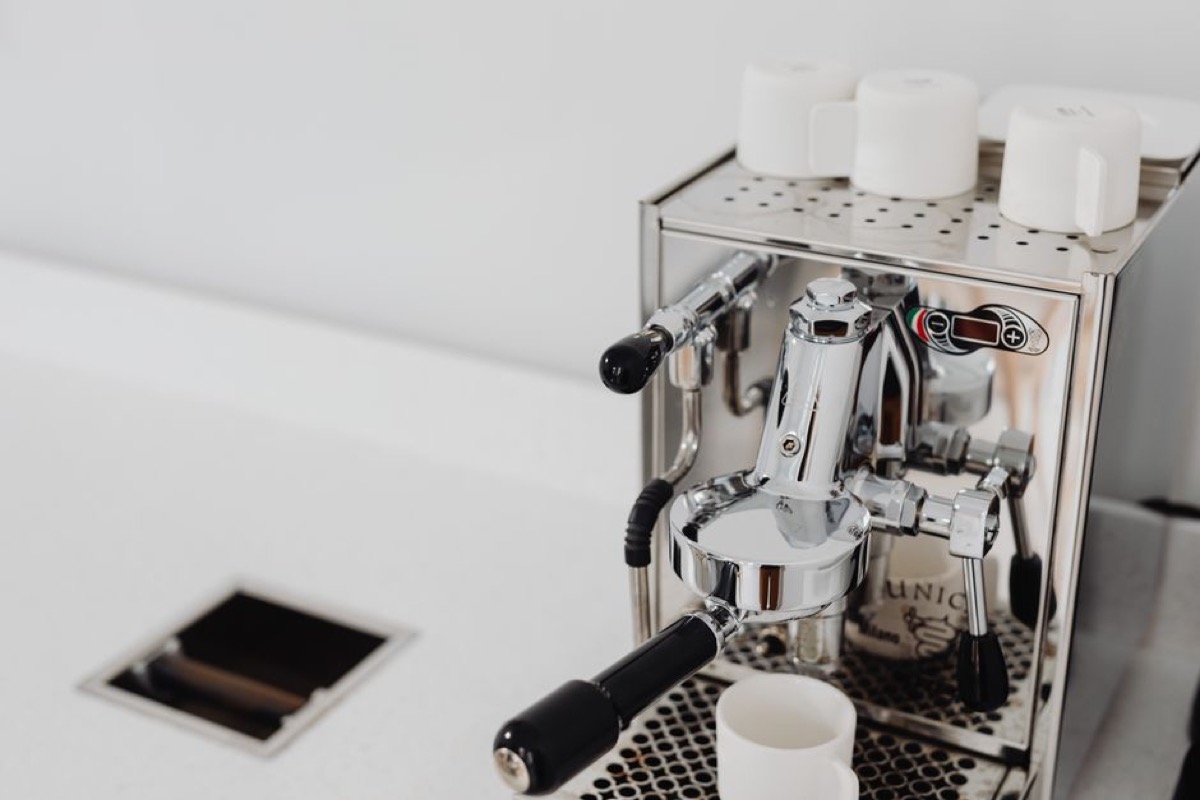
Below $500, you get machines with plastic-heavy construction, proprietary heating elements that get discontinued, and service ecosystems that vanish after 5-7 years. Between $500-1000, you get better build quality but still single-boiler designs that require waiting between steaming and brewing.
At $1500-2000, something shifts. Dual boilers or dual ThermoJet systems appear. Brass group heads replace chrome-plated aluminum. Portafilter sizes standardize at the commercial 58mm diameter, meaning aftermarket baskets, tampers, and pucks work for the machine's entire life. Parts catalogues go back 15+ years on the Italian makers.
The Rancilio Silvia (the Silvia Pro X's ancestor) launched in 1997. Technicians still service them. The original Gaggia Classic has been in continuous production in various forms since 1991. At this price tier, you are buying into legacy platforms - not product-cycle consumer electronics.
1. Breville Oracle Jet - Best Overall Under $2000
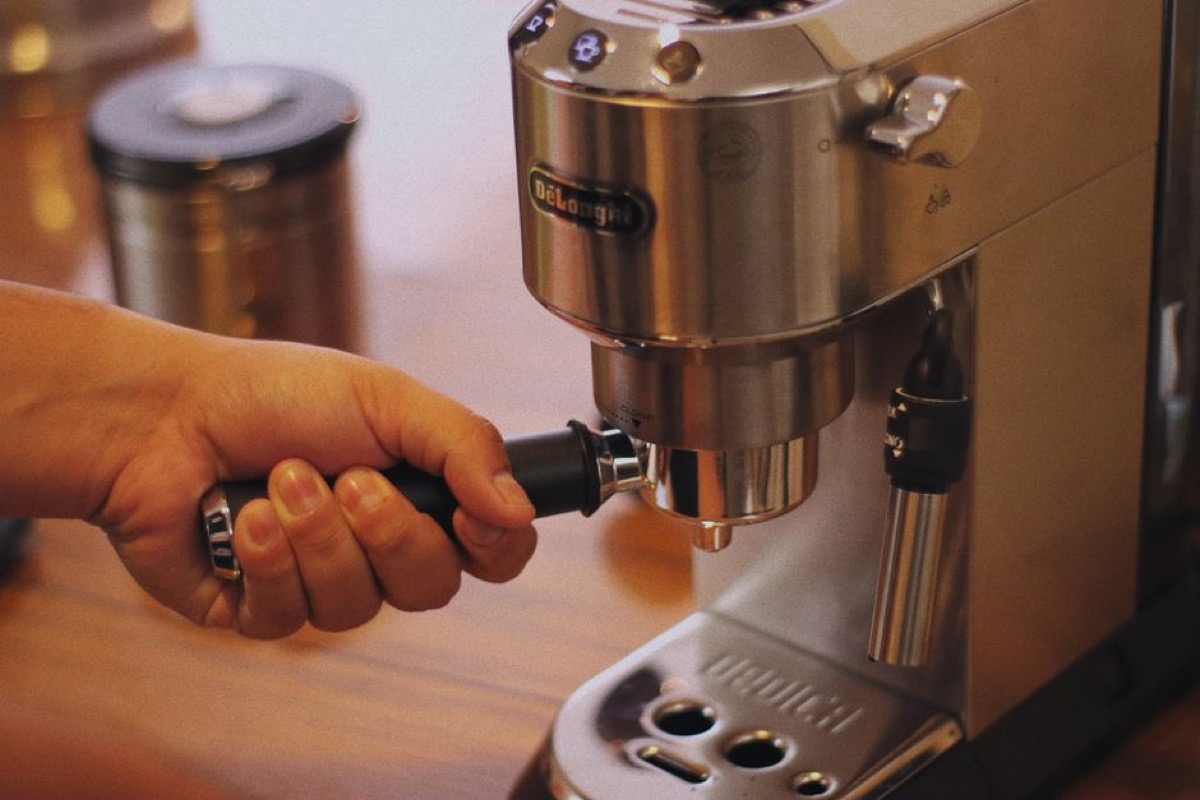
Price: ~$1,979 | Check Price on Amazon
The Oracle Jet is Breville's answer to a single question: what if one machine handled everything automatically without requiring you to buy a separate grinder, learn to tamp, or time your milk separately? The answer is a machine that auto-grinds with Baratza-developed European precision burrs (45 grind settings), doses, tamps, then monitors your shot via Barista Guidance to help you adjust grind size over time.
The heating system uses dual ThermoJet - separate heating circuits for brew water and the group head, both PID-controlled. It is not a traditional dual boiler in the Italian sense, but the thermal separation is real: brew temperature is stable, and you do not wait between steaming and pulling the next shot the way you would on a single-boiler machine.
Auto MilQ handles milk automatically with temperature adjustable from 104-167F and 8 texture levels, with settings optimized for dairy, soy, almond, and oat. The new Cold Brew and Cold Espresso modes are genuinely useful additions - cold espresso extracts in just over one minute, cold brew in under three.
Durability note: Breville machines have a known weak point compared to Italian prosumer machines - proprietary heating elements and electronics that may not have 20-year parts support. That said, the Oracle line has been in production since 2013 and Breville's service network is substantial. For most users who upgrade machines every 8-12 years anyway, this is not a practical concern.
Verdict: Best choice for households that want a single machine, no grinding workflow overhead, and excellent espresso with automation. The $1,979 price point undercuts the Oracle Touch by $820 while delivering the same core extraction quality.
2. Rancilio Silvia Pro X - Best for Serious Home Baristas
Price: ~$1,990 | Check Price on Amazon
The Silvia Pro X is what happens when Rancilio - a manufacturer of commercial cafe equipment since 1927 - applies genuine dual-boiler technology to a home machine. Two completely separate boilers: a 1-liter stainless steel steam boiler and a 300ml brass brew boiler, each with its own dedicated PID controller adjustable to the degree. Brew and steam simultaneously. Set brew temperature to 93C and steam to 125C independently. Both hold.
The 58mm commercial chrome-plated brass portafilter and brass group head are the same specification you would find on commercial machines costing five times as much. Soft preinfusion wets the puck at low pressure before full extraction, improving shot consistency across different roast levels. A front-facing PID display doubles as a shot timer - no phone needed.
Build materials: stainless steel outer shell, brass group head, brass brew boiler, stainless steel steam boiler. Weight is 44 lbs - this is not a light machine. It is built like commercial equipment because it is engineered by a commercial equipment manufacturer.
Parts availability is exceptional. The Silvia line has been in continuous production for nearly 30 years. Gaskets, group heads, pump kits, solenoid valves - all available globally. A motivated owner can completely rebuild a Silvia Pro X with off-the-shelf parts.
Who should not buy it: The Silvia Pro X requires a separate grinder ($200-600 additional cost), manual tamping, and a willingness to develop workflow. If you want to press a button and have a perfect latte, this is the wrong machine. If you want to learn espresso from the ground up on a machine that will outlast you, it is the right one.
3. Gaggia Accademia - Best Italian Super-Automatic Under $2K
Price: ~$1,779 | Check Price on Amazon
The Accademia is Gaggia's flagship fully automatic machine - 19 beverages from a single touch, ceramic flat burr grinder (more durable than steel burrs for daily use), dual boilers, and both an automatic milk carafe and a commercial steam wand for when you want manual control. It is made in Italy, which matters for the service question.
The 5-inch color TFT touchscreen with backlit capacitive buttons and rotary dial is the most intuitive interface in this tier. Customization depth is real: coffee strength, temperature, dose volume, pre-infusion time, and flow are all adjustable per-beverage. Four user profiles store individual preferences.
The ceramic burr grinder is a meaningful advantage for longevity. Ceramic burrs outlast steel burrs significantly under daily use and maintain sharpness longer. At 8 grind settings the range is narrower than a standalone grinder, but more than adequate for the beans range most households use.
The dual boiler design means no waiting between drinks - pull an espresso and steam milk simultaneously. Bean-to-cup operation means no separate grinding workflow. This machine replaces a machine plus a grinder plus a separate frother in one unit.
Durability note: Fully automatic machines have more moving parts and more failure modes than semi-automatics. The removable brew group is Gaggia's key reliability feature - it can be rinsed, inspected, and replaced without tools. 1-year manufacturer warranty is shorter than the competition; extended warranty purchase recommended.
4. Gaggia Classic Evo Pro - Best Entry Prosumer (Under $600)
Price: ~$549 | Check Price on Amazon
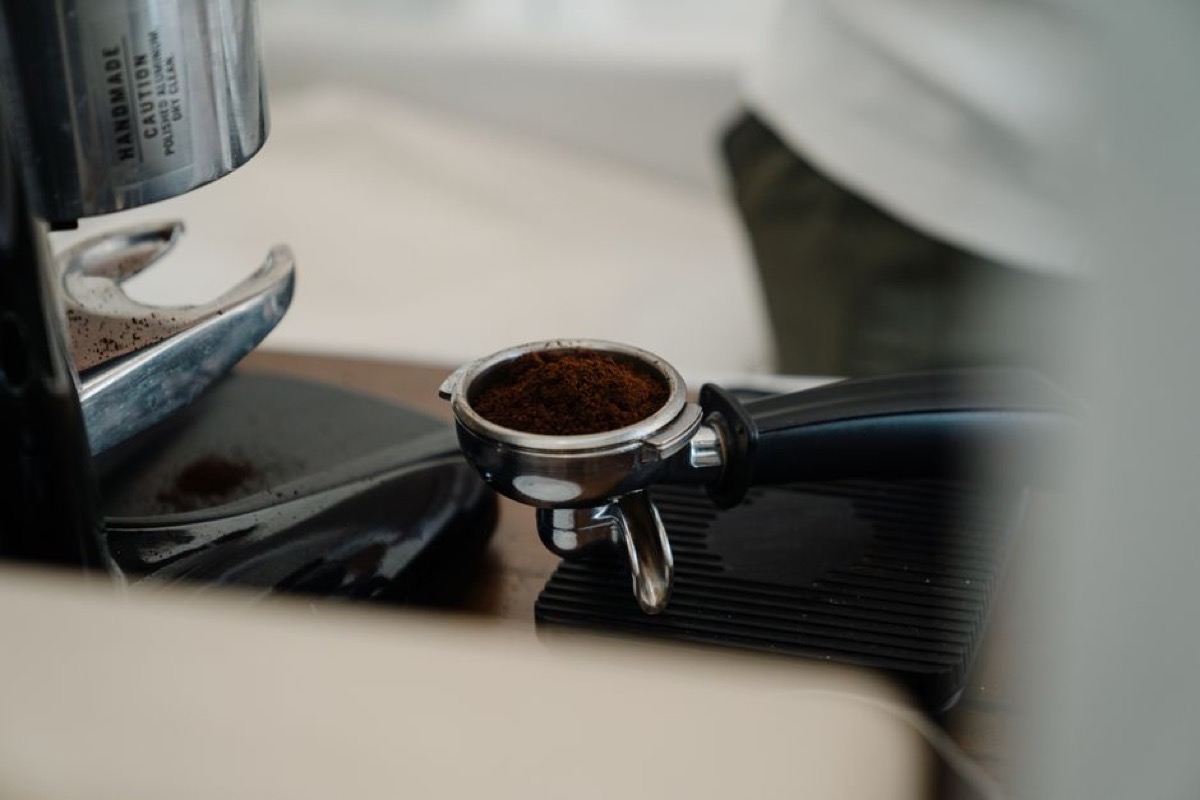
The Classic Evo Pro is included in this guide for one reason: it pulls the same quality espresso as machines costing four times as much, for buyers who understand that the $1500 premium elsewhere buys convenience features, not better shots. Made in Italy with a solid steel housing, it has the commercial 58mm stainless steel portafilter, commercial three-way solenoid valve, commercial steam wand, and a brass group head. These are the same components that matter for shot quality - and they are all here at $549.
The updated Evo Pro features a quieter pump mounting and an updated boiler with improved scale and corrosion resistance over the Classic Pro. Add a $0.50 gasket and a $5 portafilter basket if you want to optimize - the machine is designed to be serviced and is one of the most documented DIY espresso machines in the world.
What it lacks vs the $1500-2000 tier: Single boiler means you wait 45-60 seconds between steaming and brewing (or use a temperature surfing technique). No PID on base model. No built-in grinder. Manual everything. These are not defects - they are tradeoffs that define the single-boiler workflow. For buyers who want to learn espresso technique without the automation crutch, this is a feature.
The Evo Pro is recommended alongside this guide because many buyers who think they need a $2000 machine actually need a $549 machine plus a $400 grinder - and that combination will outperform most $2000 all-in-ones on shot quality.
5. Breville Oracle Touch - Best If Budget Stretches Above $2K
Price: ~$2,799 | Check Price on Amazon
The Oracle Touch is the Oracle Jet's flagship sibling with a true dual boiler instead of dual ThermoJet, a 2.5L water tank vs 2.3L, and a dedicated touchscreen that lets you save five custom drink profiles with named thumbnails. It costs $820 more than the Jet and ships with a stainless steel milk jug, cleaning kit, and water filter. The dual boiler delivers marginally better thermal stability than the ThermoJet system on the Jet, though in real home use the difference is subtle.
The 45-grind-setting conical burr grinder is the same specification as the Oracle Jet. Automatic tamping pressure is set by the machine. The no-burn steam wand auto-froths milk with temperature and texture controls. At $2,799 it technically exceeds the $2000 budget but earns its place here as the natural upgrade path for Oracle Jet buyers who want the absolute top of the Breville ecosystem.
For most buyers the Oracle Jet at $1,979 delivers the same daily experience. The Touch is for buyers who will notice the marginal dual-boiler temperature advantage and want the larger water reservoir for high-volume households.
How to Choose: The 10-Year Test
Ask yourself four questions before buying any machine in this price range:
1. Do you want to learn, or do you want a drink? If learning the craft of espresso - grind adjustment, tamping, extraction timing, milk texturing - sounds appealing, buy the Rancilio Silvia Pro X or Gaggia Classic Evo Pro. If you want reliable quality drinks with minimal workflow, buy the Oracle Jet or Gaggia Accademia.
2. Do you already own a grinder? If you have a quality espresso grinder (Eureka Mignon, Baratza Sette, Niche Zero), the Rancilio Silvia Pro X and Gaggia Classic Evo Pro are the better value - you are not paying for a built-in grinder you do not need. If you are starting from zero, the Oracle Jet or Accademia bundle grinding into the price.
3. How many drinks do you pull per session? One espresso: any machine works. Two drinks (espresso + milk drink): single-boiler machines require a wait between steaming and brewing. Three or more drinks: dual boiler or dual ThermoJet is non-negotiable.
4. How long do you intend to keep this machine? 5-8 years: the Oracle Jet or Oracle Touch are excellent choices. 10-20+ years: the Rancilio Silvia Pro X or Gaggia Classic Evo Pro - both on platforms with documented multi-decade service histories.
Specs Head-to-Head
| Spec | Oracle Jet | Silvia Pro X | Gaggia Accademia | Classic Evo Pro |
|---|---|---|---|---|
| Price | ~$1,979 | ~$1,990 | ~$1,779 | ~$549 |
| Boiler type | Dual ThermoJet | Dual boiler | Dual boiler | Single boiler |
| PID control | Yes | Yes (dual) | Yes | No |
| Grinder | Built-in Baratza | Separate required | Built-in ceramic | Separate required |
| Portafilter | 58mm | 58mm brass | Built-in | 58mm commercial |
| Made in | China/AU | Italy | Italy | Italy |
| Weight | 26.7 lbs | 44.1 lbs | 39.2 lbs | 19 lbs |
| Warranty | 2 years | 1 year | 1 year | 1 year |
| Expected lifespan | 8-12 years | 15-25 years | 10-15 years | 15-25 years |
What to Avoid in This Price Range
The $1000-2000 range is littered with machines that look prosumer but are not. Watch for these red flags:
- Thermoblock-only heating without PID. A single thermoblock with no PID cannot hold brew temperature consistently. You need either a true boiler with PID or a dual ThermoJet system.
- Proprietary portafilter sizes. A machine with a 54mm or smaller non-standard portafilter locks you into the manufacturer's basket ecosystem. 58mm is the commercial standard - use it.
- Plastic group head or brew group. Plastic does not seal like brass. It expands and contracts differently under heat cycles. A plastic group head is a durability warning sign.
- No 3-way solenoid valve. The solenoid valve depressurizes the group head after extraction. Without it, opening the portafilter immediately after a shot sprays wet grounds. More importantly, it is a maintenance-critical component on any machine you intend to keep long-term.
- Sub-1-year warranties on $1500+ machines. A manufacturer that only warrants a $1500 machine for one year is telling you something about build confidence. The Breville 2-year warranty on the Oracle line is a meaningful differentiator.
The 2026 Verdict
For most buyers under $2000, the Breville Oracle Jet is the pick. It delivers the complete workflow - grinding, dosing, tamping, brewing, steaming - without requiring a separate grinder or technique development. The dual ThermoJet system handles simultaneous brewing and steaming. At $1,979 it undercuts the Oracle Touch by $820 while pulling shots that match it cup-for-cup.
If you want a machine that could still be your daily driver in 2046, buy the Rancilio Silvia Pro X. Italian-made, dual boiler, 58mm brass group head, parts available globally. It requires a $400 grinder and a learning curve, but the machine itself is built to commercial standards on a platform with a 30-year service history.
For fully automatic Italian convenience, the Gaggia Accademia delivers 19 beverages from bean to cup without touching a portafilter. The ceramic burr grinder is built for longevity, and the removable brew group makes maintenance accessible.
If your budget is $600 or less, skip to the Gaggia Classic Evo Pro. It pulls the same quality espresso as machines costing four times more. The difference is workflow, not the shot in your cup.
Related Guides
- Best Espresso Machine Under $500 for Real Home Use: 2026 Tested Picks
- Breville Bambino Plus vs Barista Express: Which Compact Machine Is Worth It?
- Best Espresso Grinder Under $300 for Home: Niche Zero vs Baratza Sette
- Gaggia Classic Pro vs Rancilio Silvia: Which Manual Machine Is Better Value?
Frequently Asked Questions
What is the best espresso machine under $2000 for home use in 2026?
The Breville Oracle Jet (~$1,979) is the best overall pick for most home users - it handles grinding, dosing, tamping, and milk automatically with dual ThermoJet heating. For serious manual baristas who want the most durable prosumer machine, the Rancilio Silvia Pro X (~$1,990) is the longer-term buy with its brass group head and dual boiler. The Gaggia Accademia (~$1,779) wins for fully automatic convenience with Italian build quality.
Is a $2000 espresso machine worth it vs a $500 machine?
Yes, in specific ways. A $500 machine like the Gaggia Classic Evo Pro pulls comparable espresso shots when properly dialed in. The $2000 tier buys you dual boilers (brew and steam simultaneously), PID temperature stability, built-in grinders on some models, and parts ecosystems that support 15-25 year machine lifespans. If you pull more than 2 drinks per session and drink both espresso and milk drinks, the dual-boiler jump is noticeable every single morning.
How long should a $2000 espresso machine last?
Properly maintained, a prosumer machine in the $1500-2000 range should last 15-20 years. Machines like the Rancilio Silvia Pro X use commercial-grade brass group heads, stainless steel boilers, and vibratory pumps that are cheaply replaced. Italian-made machines are designed to be opened, serviced, and rebuilt. Budget machines use sealed proprietary components that become obsolete in 5-8 years.
Do I need a separate grinder with a $2000 espresso machine?
It depends on which machine you buy. The Breville Oracle Jet and Oracle Touch include built-in conical burr grinders - no separate grinder needed. The Rancilio Silvia Pro X and Gaggia Classic Evo Pro require a separate espresso grinder, which adds $200-600 to total cost. A dedicated standalone grinder will outperform any built-in grinder for shot consistency, but integrated options are competitive for their price class.
What is the difference between a heat exchanger and dual boiler espresso machine?
A heat exchanger (HX) machine has one large steam boiler with a tube running through it that heats brew water. It allows simultaneous brewing and steaming but brew temperature can fluctuate. A dual boiler machine has two completely separate boilers - one dedicated to brewing at precise temperatures, one for steam. Dual boiler gives better temperature stability and is superior for dialing in espresso precisely. All machines in the $1500-2000 tier use dual boiler or dual ThermoJet systems.
Should I buy a Breville Oracle Jet or Rancilio Silvia Pro X?
Buy the Oracle Jet if you want automation, speed, and a single purchase that handles grinding through milk steaming without a learning curve. Buy the Rancilio Silvia Pro X if you want to learn manual barista technique, prefer a smaller footprint, intend to pair with a premium standalone grinder, and want a machine that can be serviced and rebuilt indefinitely. Both pull excellent espresso - the difference is workflow and longevity philosophy.
Affiliate Disclosure: EspressoSnob participates in the Amazon Services LLC Associates Program, an affiliate advertising program designed to provide a means for sites to earn commissions by linking to Amazon.com. We earn commissions from qualifying purchases made through our Amazon links at no additional cost to you. These commissions support our research, testing, and content creation. We recommend products based on specifications, performance, and value, not commission rates.
Photos provided by Pexels.