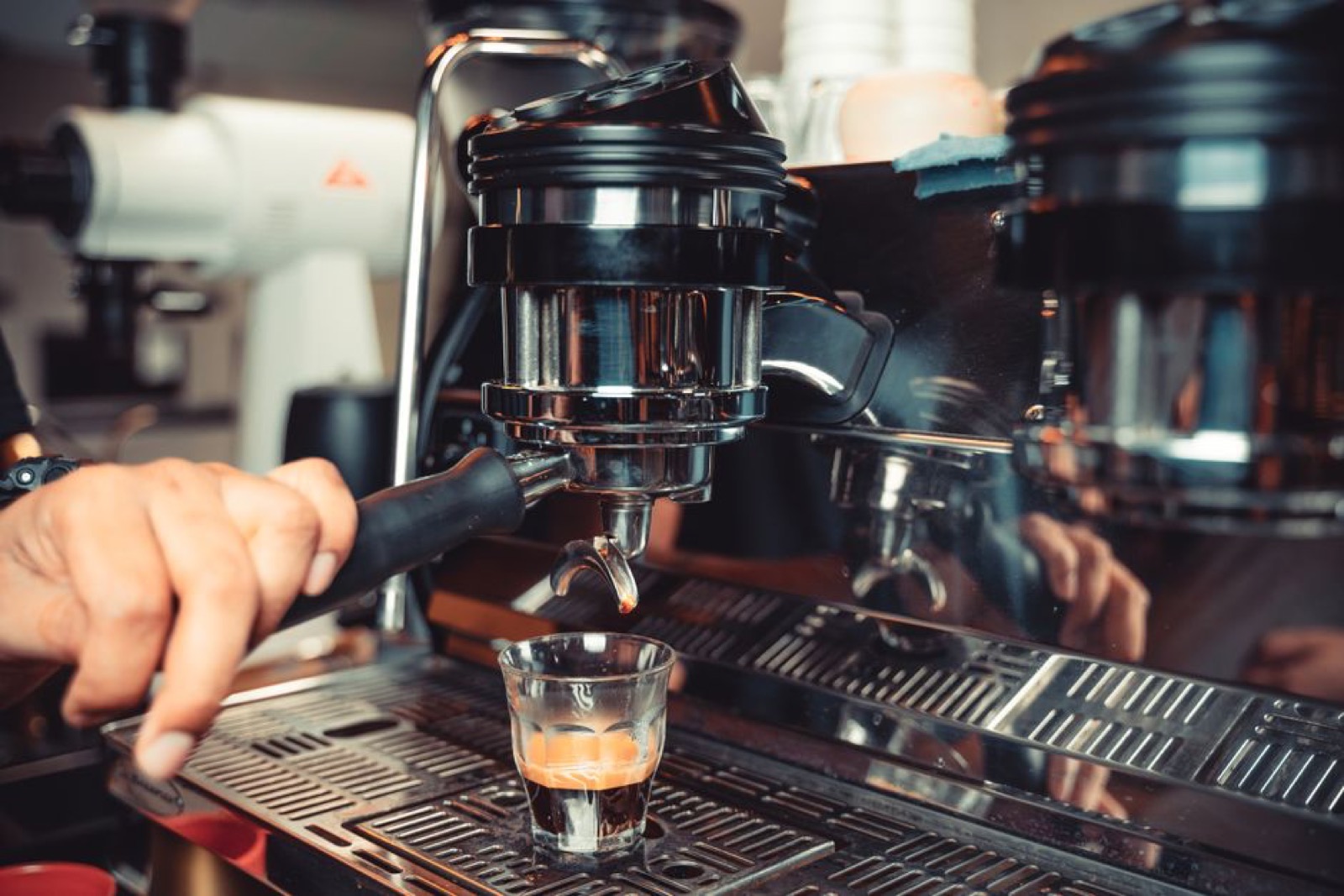
Nespresso Vertuo vs Real Espresso Machine: Is the Pod Machine Worth It?
Nespresso markets the Vertuo as an espresso machine. It is not. It uses high-speed spinning - not pump pressure - to extract coffee from proprietary pods. The result looks like espresso and costs like espresso, but tastes nothing like the concentrated, syrupy shot you get from a 9-bar machine. Whether that matters depends entirely on what you actually drink.
This breakdown covers the extraction technology, real shot quality, the true cost of pod ownership over three years, and exactly who should buy each option. No manufacturer talking points.
Affiliate Disclosure: EspressoSnob participates in the Amazon Services LLC Associates Program. We earn commissions from qualifying purchases through our Amazon links at no extra cost to you. We recommend products based on specifications, performance, and value, not commission rates.
The Short Answer: Which Should You Buy?
Three scenarios. One clear answer for each:
| If you want... | Buy this | Price | Link |
|---|---|---|---|
| One-button convenience, large cup formats, zero skill required | Nespresso Vertuo Next | ~$122 | Check Price on Amazon |
| Real espresso + built-in grinder, all-in-one setup | Breville Barista Express | ~$700 | Check Price on Amazon |
| Real espresso, compact, lowest entry cost for traditional | Breville Bambino Plus | ~$300 | Check Price on Amazon |
| Real espresso, durability, long-term daily use | Gaggia Classic Evo Pro | ~$499 | Check Price on Amazon |
How They Actually Brew: The Technology Gap
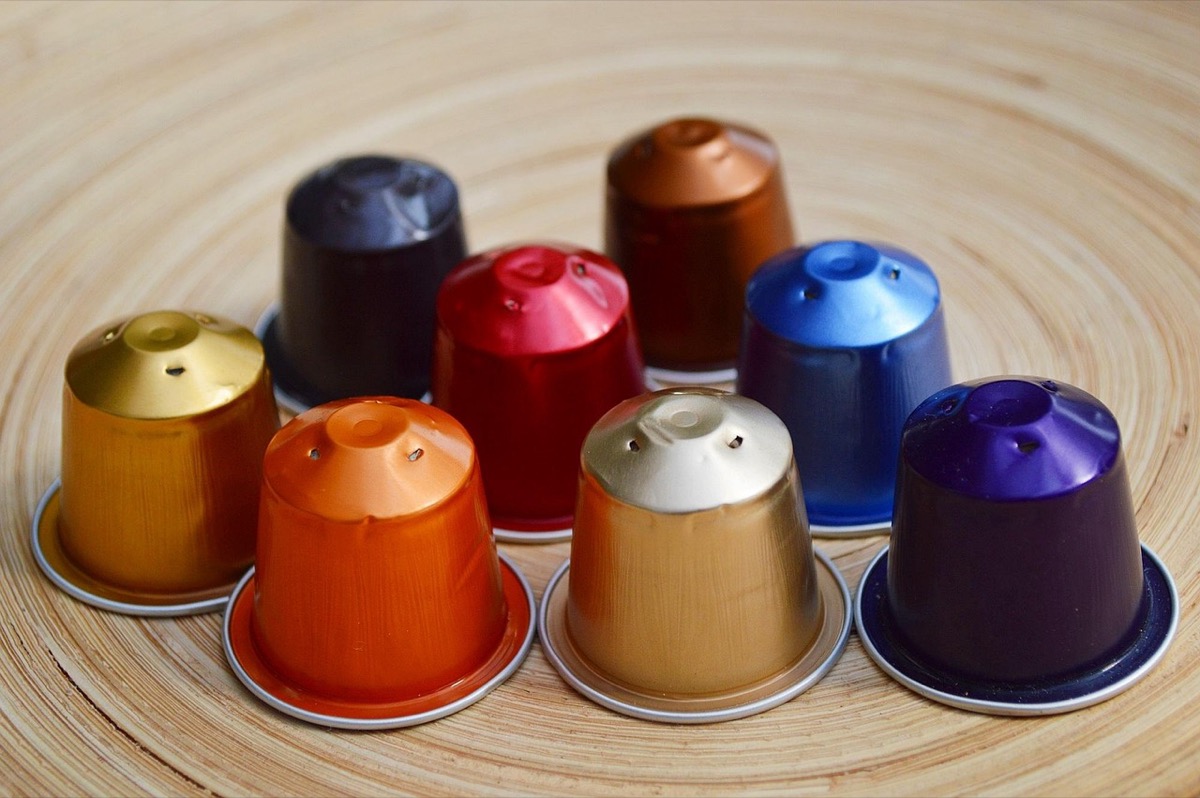
How traditional espresso machines work
A pump-driven espresso machine forces hot water (200-204 degrees F) through a tightly packed puck of finely ground coffee at 9 bars of pressure - roughly 130 psi. That pressure extracts oils, solids, and dissolved compounds that cannot be extracted any other way. The result is a 1-2 oz concentrated shot with dense, tan crema on top - real crema, formed from emulsified coffee oils trapped in CO2 bubbles under pressure.
The physics of pressure extraction determine everything: the grind size, the dose, the tamp pressure, the water temperature. Change any variable and the shot changes. That is the skill ceiling, and also the reward. When you dial it in, the shot cannot be replicated by any pod system.
How the Nespresso Vertuo works
The Vertuo uses a process Nespresso calls Centrifusion. Insert a pod; the machine reads the barcode on its rim and programs itself for that specific capsule. The pod spins at up to 7,000 RPM while hot water is injected. Centrifugal force pushes water through the coffee grounds.
There is no pump pressure - no 9 bars. The brewing mechanism is fundamentally centrifugal. The foam on top of a Vertuo drink is generated by the spinning motion, not by emulsified oils under pressure. It looks like crema. It is not crema. Under a spoon it disperses immediately rather than holding. Taste-wise, it is lighter, airier, and lacks the density of real crema.
The Vertuo's actual advantage is versatility in drink sizes. The barcode system can program different parameters for different capsules, which is why Vertuo offers everything from a 1.35 oz espresso to an 18 oz carafe. That scaling is genuinely impressive - no pressure-based system can replicate it cleanly at high volumes.
Shot Quality: Side by Side
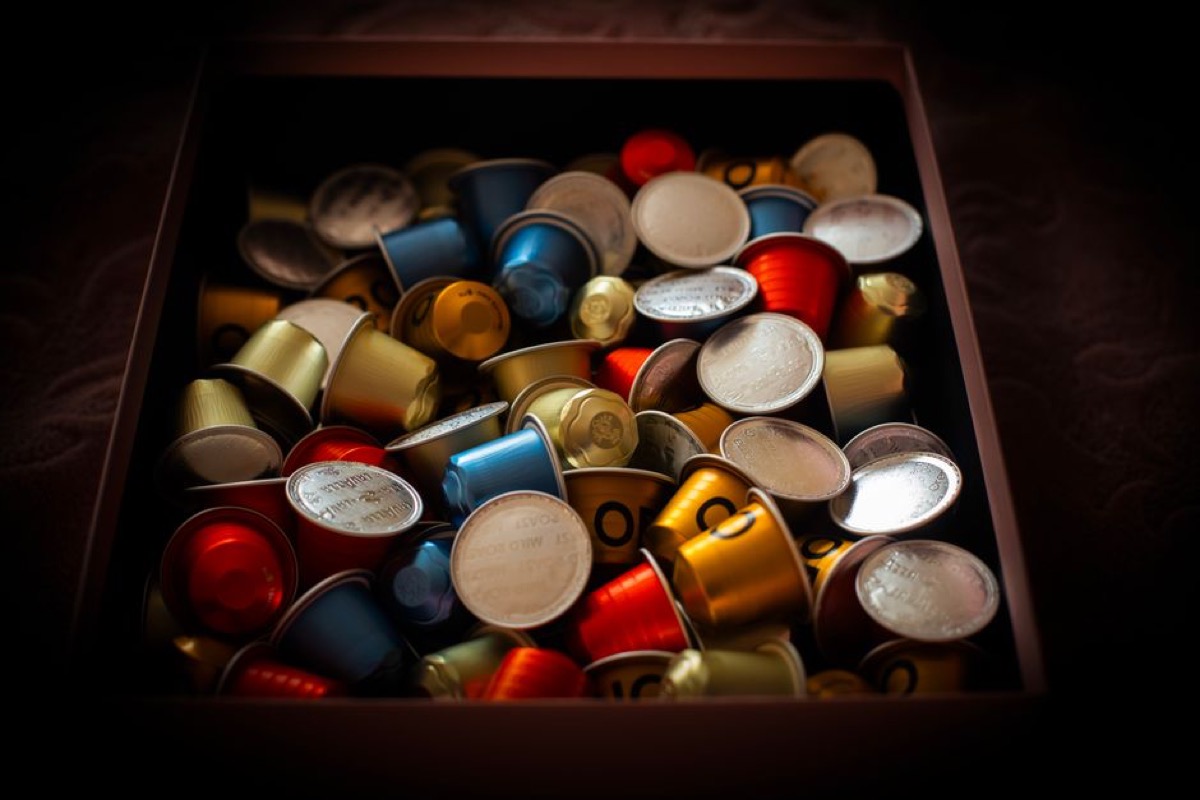
Blind tasting comparisons consistently show the same pattern. In testing published by The Coffee Locator in 2026, four tasters evaluated Nespresso Original Line espresso versus Vertuo espresso side by side - three of four preferred the Original Line shot on texture and intensity. And the Original Line is itself a significant step below a well-pulled traditional espresso.
The quality gap breaks down along these dimensions:
| Quality Factor | Nespresso Vertuo | Traditional Machine (9-bar) |
|---|---|---|
| Crema | Thick foam (centrifusion-generated) | Dense, persistent crema (emulsified oils) |
| Body / mouthfeel | Lighter, smoother, less viscous | Syrupy, full-bodied, coating |
| Concentration | Moderate - less TDS than real espresso | High - 8-12% TDS in a well-pulled shot |
| Flavor complexity | Rounded, mild, one-note | Variable - acidic, sweet, bitter in balance |
| Shot-to-shot consistency | Extremely high (automated) | High with practice, variable for beginners |
| Adjustability | None - barcode controls all parameters | Full - grind, dose, temperature, pressure |
The Vertuo wins on consistency. Zero variables means zero mistakes. For someone who finds shot-to-shot espresso dialing frustrating, that matters. But consistency of a mediocre shot is still a mediocre shot.
The Real Cost of Vertuo Ownership
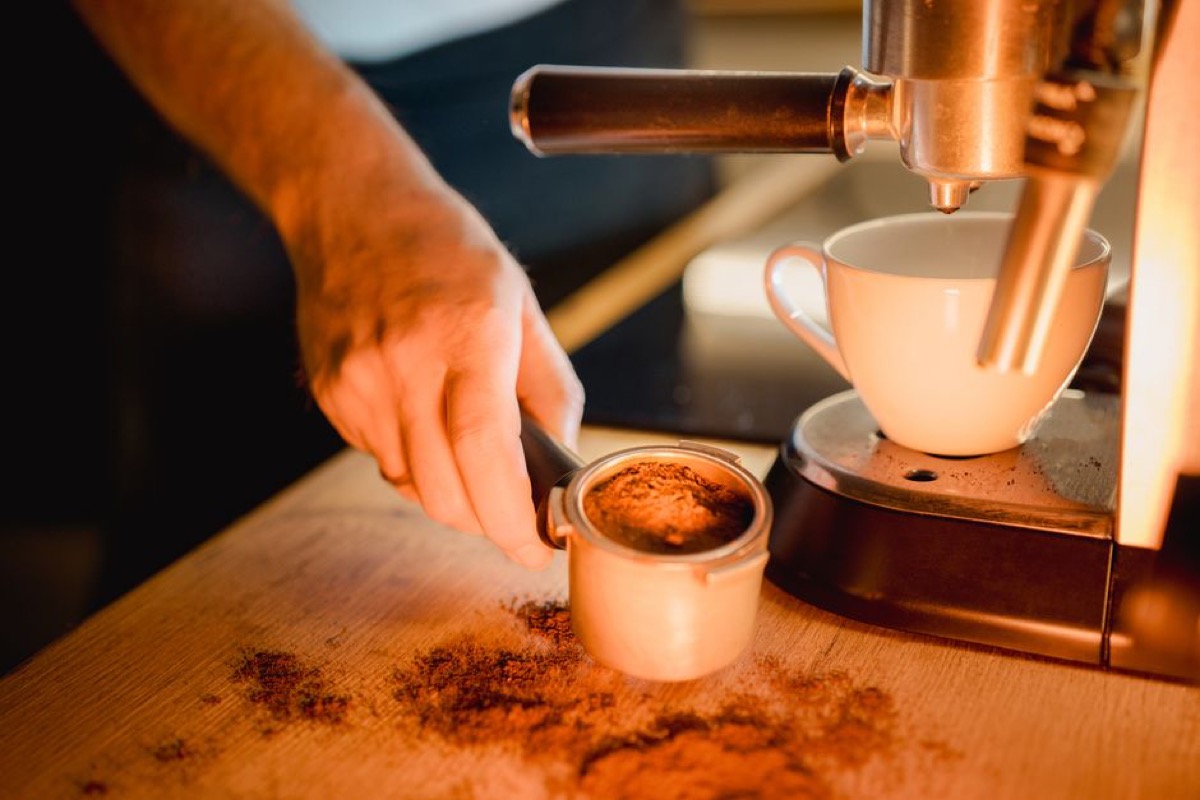
The machine price is almost irrelevant. The Vertuo Next starts around $122. The Bambino Plus is $300. That $178 difference disappears in less than a year of daily use. The actual cost decision is coffee.
Vertuo pods cost $1.00-$1.50 per standard capsule. Espresso pods run $1.20-$1.80. Third-party options: essentially none. Nespresso's barcode patents lock the Vertuo ecosystem until at least 2029. You will pay Nespresso prices for every drink you make on this machine for the foreseeable future.
Five-year cost comparison
Using prices current as of September 2026, from driproast.com's detailed analysis:
| Setup | Machine Cost | Coffee per Year (1 drink/day) | 5-Year Total |
|---|---|---|---|
| Nespresso Vertuo Next + Aeroccino | ~$122-$179 | ~$365-$548 (pods) | ~$1,947-$2,919 |
| Bambino Plus + quality grinder | ~$500 | ~$170 (supermarket beans) | ~$1,350 |
| Bambino Plus + grinder, specialty beans | ~$500 | ~$375 (specialty beans) | ~$2,375 |
| Barista Express (grinder included) | ~$700 | ~$170-375 | ~$1,550-2,575 |
The break-even against Vertuo pods arrives at roughly 12-24 months depending on drink volume and bean quality. After that, every year of traditional machine use saves $200-$400 compared to mid-tier Vertuo pod consumption. At two drinks per day, that gap doubles.
The pod lock-in is the Vertuo's only permanent structural disadvantage. If Nespresso raises pod prices, you absorb it. If they discontinue a blend, you lose it. You have no leverage and no alternatives.
Where the Vertuo Actually Wins
This article has been hard on the Vertuo because the marketing around it is misleading. "Espresso machine" is a stretch. But there are real use cases where the Vertuo is the correct purchase:
Multi-format households
The Vertuo brews genuine 8 oz, 12 oz, and 18 oz coffees cleanly - not lungo approximations but purpose-designed large-format drinks. If your household includes both espresso drinkers and large-coffee drinkers, the Vertuo handles the full range with one machine and one button. No traditional espresso machine does this well.
Zero-skill environments
Offices, vacation rentals, households where multiple people with different coffee experience levels use the machine: the Vertuo removes all variables. One button, same drink every time. No one over-extracts a shot or grinds wrong. If the coffee just needs to be drinkable and consistent, the Vertuo delivers.
Speed over quality
Pod in, button pressed, coffee in 30 seconds. A traditional machine requires a warm-up period, grinding, dosing, tamping, and extraction time. The time difference between the fastest Bambino Plus and a Vertuo is 3-4 minutes on a rushed morning. For commuters or anyone who drinks coffee functionally rather than for pleasure, that gap matters.
The Traditional Machine Learning Curve
The honest downside of a real espresso machine is the skill requirement. Pulling consistently good shots from a Bambino Plus or Barista Express takes 2-4 weeks of daily practice. You will pull sour shots. You will pull bitter shots. You will waste coffee while dialing in a new bag of beans.
This is the correct comparison for the Vertuo's consistency advantage. It is not "Vertuo vs expert barista" - it is "Vertuo vs beginner espresso drinker in week two." For people who found the learning curve genuinely frustrating or who simply do not want to invest time in espresso technique, the Vertuo removes that friction entirely.
Whether the coffee quality difference justifies learning the craft is a personal decision. But the craft ceiling on a $300 Bambino Plus, once reached, produces espresso that no pod machine can touch.
The Breville Barista Express: The Closest True Alternative
If you want the closest traditional-machine experience to Vertuo's all-in-one simplicity, the Breville Barista Express is the machine. Built-in conical burr grinder, PID temperature control, 9-bar pressure, full steam wand. One machine, no separate grinder purchase, grind-to-shot workflow in under 2 minutes once dialed.
It costs $700 versus $122 for the Vertuo Next. The upfront gap is real. But by year two, the traditional machine pays for that gap through bean savings versus pod costs. By year three, the Barista Express household is ahead by $400-$800 compared to Vertuo pod spend at moderate consumption.
More importantly, the Barista Express makes real espresso. Dense shots with genuine crema. Proper microfoam from the steam wand for lattes and cappuccinos. A drink that rewards good beans. None of that is available from the Vertuo at any price.
The Bambino Plus: Lowest Entry Point for Real Espresso
For the smallest upfront commitment to traditional espresso, the Breville Bambino Plus at $300 is the entry point. It needs a separate grinder - budget at least $150-$200 for a decent burr grinder - but the machine itself is compact, heats up in 3 seconds, and pulls genuine 9-bar espresso with a dedicated steam wand for real microfoam.
Total Bambino Plus setup (machine + grinder): $450-$500 versus $122 for the Vertuo Next. At one drink per day, that gap closes in 18-24 months purely from bean savings. After that, the traditional setup saves $200-$350 per year indefinitely.
The Gaggia Classic Evo Pro: If You Want It to Last
For anyone buying once and keeping it for 10 years, the Gaggia Classic Evo Pro at $499 is the durability pick at this price tier. Commercial-grade boiler, 58mm group head with a standard commercial gasket size, parts available everywhere. These machines run 15+ years with routine maintenance. The Bambino Plus has plastic internals that will need replacing sooner.
Combined with a quality grinder, the Gaggia Evo Pro setup is a $700-$800 total investment that produces cafe-quality espresso indefinitely. The Vertuo Next will cost that much in pods by year two.
The 2026 Verdict
The Nespresso Vertuo is a good coffee appliance marketed as something it is not. If convenience, large cup formats, and zero skill requirement are your priorities, buy it and enjoy it. It does those things well.
If you drink espresso specifically - or lattes and cappuccinos built on a real espresso base - the Vertuo will disappoint you. The extraction technology cannot produce the shot quality that defines the drink. You will pay premium pod prices monthly for a result that a $300 traditional machine does better after two weeks of practice.
The math on pod lock-in is the final argument. Nespresso has no competition for Vertuo capsules until their patents expire. Every Vertuo purchase is a commitment to paying $1.00-$1.80 per cup for the life of the machine. That is a structural cost disadvantage that compounds every year.
For real espresso: Best Espresso Machine Under $500. For grinder pairing: Best Espresso Grinder Under $300. For the full mid-range comparison: Best Espresso Machine Under $1000. For the deep dive on Centrifusion technology and full pros/cons: our full Nespresso Vertuo review.
Frequently Asked Questions
Does Nespresso Vertuo make real espresso?
No. The Vertuo uses centrifusion (high-speed spinning) not pump pressure. Real espresso requires 9 bars of pressure forcing water through finely ground coffee. The Vertuo produces a concentrated coffee drink with a foam layer - not real crema. If you want authentic espresso, you need a pump-driven machine.
How much do Nespresso Vertuo pods cost per year?
At one drink per day: $365-$650 annually. At two drinks per day: $730-$1,300 per year. Vertuo pods run $1.00-$1.80 each with no meaningful third-party alternatives due to Nespresso's barcode patents. Fresh beans for a traditional machine cost $0.40-$0.80 per double shot by comparison.
Can you use third-party pods in a Nespresso Vertuo?
Almost no options exist. Every Vertuo pod uses a barcode the machine must read before brewing - only Nespresso-approved capsules work. The patents run until approximately 2029-2030. Starbucks makes a small selection of Vertuo-compatible pods at similar prices. The Nespresso Original Line, by contrast, accepts hundreds of third-party brands at much lower per-cup cost.
Is Nespresso Vertuo worth buying for a home espresso drinker?
Not if authentic espresso is what you want. The centrifusion process cannot replicate 9-bar pump extraction. If you primarily drink larger coffee formats and value convenience above all, the Vertuo serves those needs well. For espresso specifically, a traditional machine produces a fundamentally better drink at lower ongoing cost.
What is the best traditional espresso machine to buy instead of Nespresso?
For under $500 with a separate grinder: Breville Bambino Plus ($300) is the compact entry point. For an all-in-one setup: Breville Barista Express ($700) includes a built-in grinder. For long-term durability: Gaggia Classic Evo Pro ($499) is built to last 15+ years. All three use 9-bar pump pressure and produce genuine espresso from any beans you choose.
What is the break-even point for traditional machine vs Nespresso?
At one drink per day using a Bambino Plus plus grinder ($500 total) versus a Vertuo Next ($130): the $370 upfront gap is recovered in roughly 18-24 months through bean savings. At two drinks per day, break-even arrives under 12 months. After break-even, the traditional machine saves $200-$700+ per year compared to Vertuo pod costs.
Does Nespresso Vertuo work for lattes and cappuccinos?
Yes, with limitations. The included Aeroccino frother produces basic frothed milk. The Vertuo Creatista model adds a real steam wand for proper microfoam. However, the espresso base is less concentrated than a traditional shot, producing a milder-flavored latte. If milk drink quality matters, a machine with a real steam wand and 9-bar espresso produces a more authentic result.
Affiliate Disclosure: EspressoSnob participates in the Amazon Services LLC Associates Program, an affiliate advertising program designed to provide a means for sites to earn commissions by linking to Amazon.com. We earn commissions from qualifying purchases made through our Amazon links at no additional cost to you. These commissions support our research, testing, and content creation. We recommend products based on specifications, performance, and value, not commission rates.